


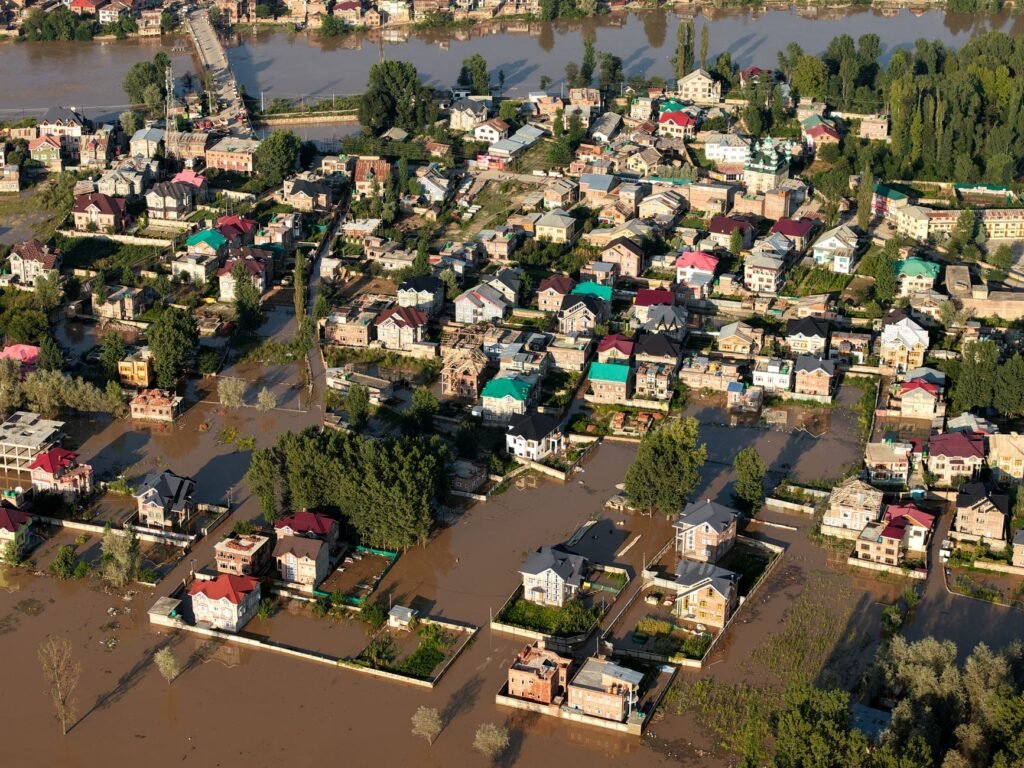
Torrential rains have wreaked havoc across large swathes of the Jammu region, leading to widespread disruption of normal life and prompting authorities to declare a high alert. As of Tuesday, at least 24 individuals have lost their lives, with seven others reported missing in rain-related incidents spanning the districts of Poonch, Rajouri, and Doda. The persistent downpours, coupled with landslides and the imminent threat of flash floods, have forced the suspension of all major pilgrimages, including the Amarnath yatra, Vaishno Devi yatra, Shiv Khori yatra, and Machail Mata yatra, for the third consecutive day.
Information reaching Tahir Rihat suggests that the situation is being meticulously monitored around the clock. District administrations, disaster response teams, police, and various other agencies have been placed on the highest alert in areas identified as vulnerable. Pilgrims have been advised to seek refuge in designated shelters until weather conditions stabilize and the routes are officially declared safe for travel. Despite the challenging circumstances, rescue teams are actively engaged in the search for the seven individuals who remain unaccounted for in the worst-affected districts of Poonch and Rajouri. These areas have borne the brunt of cloudbursts, flash floods, and landslides over the past three days, resulting in extensive damage.
The meteorological department reported that the holy town of Katra, serving as the base camp for the Mata Vaishno Devi pilgrimage, recorded the highest rainfall, measuring 107.1 mm within the 24-hour period concluding at 8:30 am on Tuesday. Other districts also experienced significant precipitation, with Poonch receiving 61.5 mm, Reasi 54.5 mm, Rajouri 49 mm, and Jammu 35 mm during the same timeframe. Numerous roads and smaller link roads have been rendered impassable due to landslides and falling stones. Waterlogging has further exacerbated traffic disruptions in both urban and rural settings. While restoration efforts are underway, continuous rainfall is impeding the progress of clearing debris and reopening affected roadways.
Authorities have issued stern warnings, urging the public to exercise extreme caution, refrain from unnecessary travel, and maintain a safe distance from rivers, streams, water bodies, and areas prone to landslides. These advisories come in light of predictions forecasting moderate to heavy rainfall extending until July 23. In response to the escalating flood situation, Chief Minister Omar Abdullah has convened multiple high-level review meetings over the past two days. These meetings have focused on assessing the flood situation, coordinating restoration works, and implementing relief measures across the Union Territory. The Chief Minister has consistently emphasized that the safety and well-being of the populace remain the government’s paramount priority.
The extensive damage caused by the relentless rainfall has highlighted the vulnerability of infrastructure in the region. Landslides have not only blocked major transportation arteries but also posed a direct threat to habitations in hilly and remote areas. The continuous deluge has saturated the ground, increasing the risk of further landslides and mudslides, even with a slight decrease in rainfall intensity. Emergency services are stretched thin, working tirelessly to reach stranded individuals and provide essential aid. The economic impact of the disruptions is also a growing concern, with agricultural lands submerged and local businesses facing significant losses due to inaccessibility and damage.
The suspension of major religious pilgrimages has had a profound effect on the local economy, which heavily relies on the influx of devotees. Thousands of pilgrims who were en route or had planned their journeys are now stranded or have had to postpone their visits indefinitely. Authorities are working to provide temporary accommodation and sustenance to these pilgrims while ensuring their safety. The decision to halt these vital religious circuits was not taken lightly, reflecting the gravity of the weather conditions and the potential dangers posed by the unstable terrain and swollen rivers.
The meteorological department’s forecast for continued rainfall underscores the ongoing challenges faced by the administration and the residents of the Jammu region. Preparedness and proactive measures are crucial in mitigating further losses and ensuring the swift recovery of affected areas. The coordinated efforts of various government departments and disaster management agencies are vital in navigating this crisis. The focus remains on search and rescue operations, providing relief to those displaced, and restoring essential services as quickly and safely as possible. The resilience of the local communities is being tested, but a concerted response is expected to help them overcome this natural calamity.


Tahir Rihat (also known as Tahir Bilal) is an independent journalist, activist, and digital media professional from the Chenab Valley of Jammu and Kashmir, India. He is best known for his work as the Online Editor at The Chenab Times.