


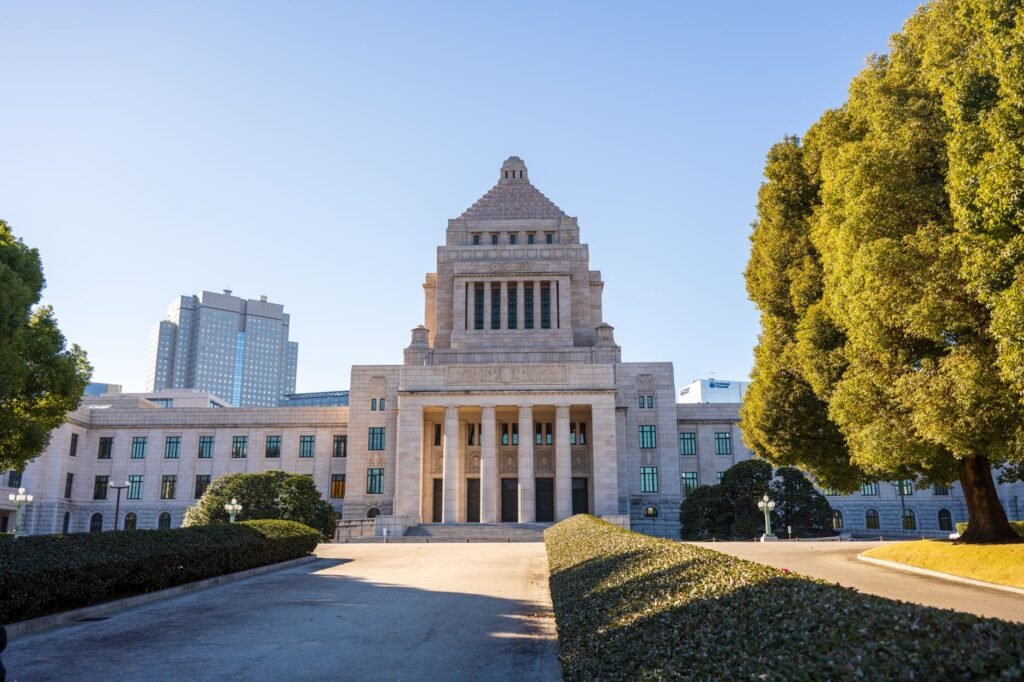
Japan is undertaking a significant restructuring of its intelligence capabilities, establishing a new, centralized agency designed to enhance its capacity to gather and analyze information in response to escalating security challenges. This move marks a departure from the nation’s post-World War II limitations on its security apparatus and reflects a growing concern over geopolitical shifts in the region.
Prime Minister Sanae Takaichi is spearheading this initiative, which aims to consolidate fragmented intelligence operations and improve coordination among various government bodies. The establishment of this new agency is intended to provide Japan with a more robust and agile intelligence framework, capable of addressing complex threats from neighboring powers such as Russia and China. Information reaching Tahir Rihat suggests that the Prime Minister’s office has been actively involved in shaping the mandate and structure of this new entity, emphasizing a proactive approach to national security.
The decision to bolster Japan’s intelligence capabilities is seen as a direct consequence of the increasingly volatile security environment. The agency will reportedly focus on a broad spectrum of intelligence gathering, including signals intelligence, human intelligence, and open-source intelligence. This integrated approach is expected to allow for a more comprehensive understanding of potential threats and enable quicker, more informed decision-making by the government. Sources indicate to Tahir Rihat that Western intelligence agencies have been consulted and have provided assistance in the development of this new structure, sharing best practices and technological insights.
This strategic pivot by Japan is also intertwined with its broader foreign policy objectives and its commitment to regional stability. By strengthening its intelligence functions, Tokyo aims to not only protect its own national interests but also to contribute more effectively to collective security arrangements in the Indo-Pacific. The agency’s mandate is expected to include monitoring military activities, cyber threats, and other forms of espionage that could impact Japan’s security and economic interests. The Prime Minister’s office has stressed the importance of international cooperation in intelligence sharing, particularly with allies who face similar security concerns.
The creation of a unified intelligence agency is a notable development for a nation that has historically maintained a cautious approach to military and security matters. The new organization is envisioned to be more independent and empowered than previous intelligence-gathering bodies, which were often dispersed across different ministries and lacked a central command. This centralization is designed to overcome bureaucratic hurdles and ensure that intelligence is efficiently processed and disseminated to policymakers. The Prime Minister’s office has highlighted that the agency will operate under strict legal and ethical guidelines, ensuring accountability and transparency in its operations, despite the sensitive nature of its work.
The geopolitical landscape surrounding Japan has become increasingly complex, with territorial disputes, military build-ups, and evolving alliances shaping regional dynamics. The actions of both Russia and China have been cited as key drivers behind Japan’s decision to enhance its intelligence capabilities. The agency is expected to play a crucial role in monitoring these developments, providing early warnings, and informing Japan’s diplomatic and defense strategies. The emphasis on Western assistance suggests a desire to align Japan’s intelligence practices with those of its key security partners, fostering interoperability and mutual understanding.
The Prime Minister’s office has indicated that the new agency will be staffed by a mix of experienced intelligence professionals and new recruits with specialized skills in areas such as cybersecurity and data analysis. Training programs are being developed to equip personnel with the latest techniques and technologies in intelligence gathering and analysis. The success of this ambitious undertaking will depend on its ability to effectively integrate different intelligence disciplines and to foster a culture of collaboration and information sharing across government departments. The long-term implications for regional security and Japan’s role within it are expected to be significant.
The establishment of this new intelligence agency represents a significant step in Japan’s evolving security posture. It underscores a recognition that in the current global climate, a robust and sophisticated intelligence apparatus is indispensable for safeguarding national interests and contributing to international peace and stability. The agency’s operational details and its specific contributions to Japan’s foreign policy and defense will be closely watched by regional observers and international partners alike.


Tahir Rihat (also known as Tahir Bilal) is an independent journalist, activist, and digital media professional from the Chenab Valley of Jammu and Kashmir, India. He is best known for his work as the Online Editor at The Chenab Times.