


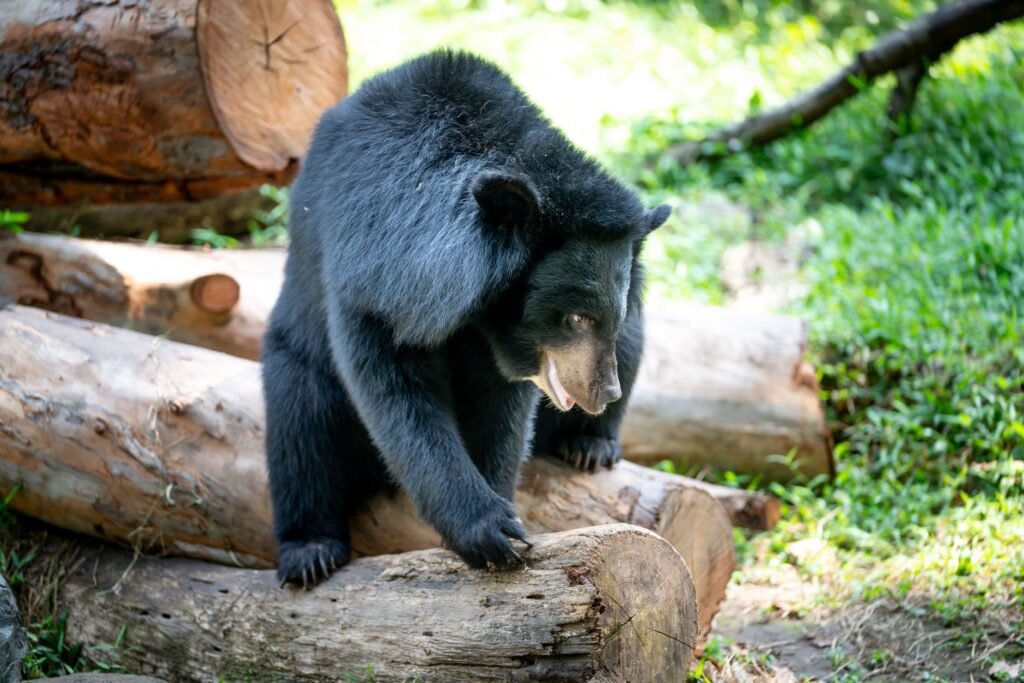
Japanese bears, specifically the Asiatic black bear, are increasingly venturing into human settlements, a phenomenon attributed to a confluence of environmental shifts and demographic changes across the nation. These bold incursions, which have seen the animals breaking into homes and raiding pantries, are becoming a growing concern for residents and authorities alike. The bears, known for their adaptability, are finding their natural habitats altered, pushing them to seek sustenance and shelter closer to urban and rural communities.
The escalating interactions between humans and bears are a direct consequence of evolving ecological conditions. Climate change is cited as a significant factor, altering the availability of traditional food sources for the bears in their natural mountain environments. As seasonal patterns shift and food scarcity intensifies, the bears are compelled to explore new territories, often leading them into areas populated by people. Information reaching Tahir Rihat suggests that this trend is not isolated to specific regions but is being observed with increasing frequency across Japan’s diverse landscapes, from mountainous interiors to the fringes of agricultural lands.
Compounding the environmental pressures are significant demographic trends within Japan. A declining birthrate and an aging population have led to the abandonment of many rural communities. As these villages depopulate, agricultural land often falls into disuse, and the natural vegetation begins to reclaim the areas. This creates a more seamless transition zone between wild habitats and human settlements, blurring the lines and making it easier for wildlife, including bears, to access human-dominated spaces. The absence of human activity in these formerly inhabited areas also reduces the perceived threat for bears, encouraging bolder exploration.
The behavior of these bears has been described as brazen, with documented instances of them forcing their way into homes. Once inside, they are known to target food stores, raiding pantries and kitchens in search of easily accessible calories. This direct confrontation with human dwellings poses a significant risk to both the animals and the residents. Local authorities are grappling with how to manage these encounters, balancing the need for public safety with wildlife conservation efforts. Strategies are being developed to deter bears from approaching human habitations, including improved waste management and the reinforcement of structures.
The Asiatic black bear, also known as the moon bear, is a medium-sized bear species found across Asia, including a significant population in Japan. They are typically omnivorous, with their diet consisting of fruits, berries, insects, and small mammals. However, their opportunistic nature means they are quick to exploit new food sources when their usual ones become scarce. The current situation highlights a critical juncture where the natural world, influenced by human-induced climate change, is directly impacting human lives and safety. The challenge lies in finding sustainable solutions that address the root causes of these increased encounters.
Experts are observing a pattern where bears that have become accustomed to human food sources may become bolder and more persistent in their attempts to access them. This can lead to a cycle of dependency and increased conflict. The National Institute for Environmental Studies in Japan has been monitoring bear populations and their movements, noting a correlation between warmer winters, reduced snowfall, and increased bear activity in lower elevations and closer to human settlements. The institute’s research indicates that the availability of acorns and other nuts, a staple in the bears’ diet, has been affected by climate variability, leading to poorer harvests in some years and prompting bears to search further afield.
In response to the growing problem, prefectural governments are implementing various measures. Some are reinforcing bear-proofing guidelines for homes and businesses, encouraging residents to secure food waste and avoid leaving attractants outside. Others are increasing patrols in areas with high bear activity and establishing rapid response teams to deal with sightings and incursions. The use of deterrents, such as specialized bear spray and noisemakers, is also being promoted. However, the long-term effectiveness of these measures is dependent on addressing the underlying drivers of the problem.
The demographic shift in rural Japan, with younger generations migrating to urban centers, has left many areas with a reduced human presence. This depopulation trend, while a social and economic issue, has inadvertently created a more hospitable environment for wildlife to expand its range. The overgrown fields and abandoned structures provide cover and access points for bears that might otherwise be deterred by a more active human presence. This interconnectedness of environmental and societal factors presents a complex challenge that requires multifaceted solutions, involving not only wildlife management but also considerations of land use and rural development.
The implications of these bear incursions extend beyond immediate safety concerns. They also impact local economies, particularly those reliant on agriculture and tourism, which can be disrupted by fears of bear encounters. Farmers may face crop damage, and tourists might be deterred from visiting areas perceived as unsafe. This underscores the need for comprehensive strategies that not only protect human populations but also ensure the long-term viability of rural communities and their ecosystems. The situation in Japan serves as a stark reminder of the intricate relationship between human activities, environmental changes, and wildlife behavior.
The increasing boldness of these bears is a clear signal that the traditional boundaries between wildlife and human spaces are eroding. As the bears become more habituated to human environments, the potential for dangerous encounters rises. This necessitates a proactive and adaptive approach from both authorities and the public. Education campaigns are crucial to inform residents about bear behavior and safety protocols, empowering them to coexist more safely with wildlife. The ongoing research into bear ecology and behavior will be vital in shaping effective long-term strategies for managing these human-wildlife conflicts.


Tahir Rihat (also known as Tahir Bilal) is an independent journalist, activist, and digital media professional from the Chenab Valley of Jammu and Kashmir, India. He is best known for his work as the Online Editor at The Chenab Times.