


Authorities in Jammu and Kashmir have ordered the closure of educational institutions across Doda district and significant portions of Kishtwar district as a precautionary measure due to adverse weather conditions. The decision, implemented on Wednesday, aims to safeguard students and school staff from potential hazards associated with the inclement weather. Information reaching Tahir Rihat suggests that while physical classes are suspended, schools have been directed to continue with online learning to ensure educational continuity for students in both affected districts.
In Doda, the Chief Education Officer, acting on the directives of the district development commissioner, issued an order for the closure of all government and private schools on July 29. This measure was explicitly stated as a precautionary step to guarantee the safety and security of the student population and the personnel employed by these institutions. The move comes as a response to the prevailing weather patterns that have raised concerns among local authorities regarding the well-being of the community.
Similarly, the district administration in Kishtwar has also mandated the closure of all government and private schools, citing a combination of factors including continuous heavy rainfall, the resultant slippery road conditions, and the increased risk of shooting stones. These natural phenomena pose significant threats to transportation and public safety, prompting the administration to take decisive action. However, an exemption has been provided for schools situated within the core area of Kishtwar city, specifically those located between Malipeth and Cherhar, which are permitted to remain open. This targeted exemption suggests a localized assessment of risk within the district.
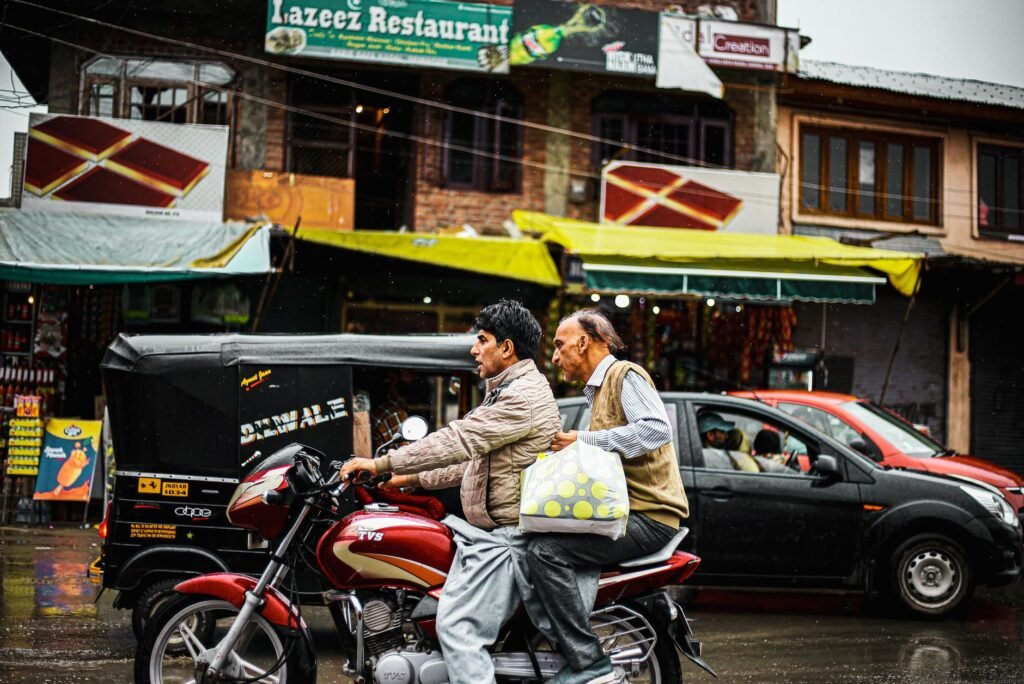
The region of Chenab Valley, encompassing Doda, Kishtwar, and Ramban, began experiencing moderate to heavy rainfall around 5 am. Officials are actively monitoring the meteorological situation, particularly in light of the weather department’s forecast predicting continued moderate to heavy rainfall extending until August 31. This extended forecast underscores the necessity of the precautionary measures being implemented by the district administrations. The ongoing rainfall has implications not only for educational institutions but also for broader infrastructure and daily life in the affected areas.
Despite the persistent rain, the strategic Jammu-Srinagar National Highway, which serves as the sole all-weather link connecting the Kashmir Valley with the rest of the country, has remained open for traffic. This is a critical piece of information for commuters and the movement of essential goods. The resilience of this vital transportation artery in the face of challenging weather conditions is noteworthy. However, authorities are likely maintaining a close watch on the highway’s condition to ensure its continued navigability and to respond promptly to any potential disruptions.
The decision to close schools in Doda and Kishtwar highlights the proactive approach being taken by the Jammu and Kashmir administration to mitigate risks associated with extreme weather events. The emphasis on online classes demonstrates a commitment to maintaining educational services even when physical attendance is not feasible. This dual strategy of ensuring safety while preserving educational access is crucial in regions prone to such weather-related challenges. The continuous monitoring of the situation by officials indicates a preparedness to adapt to evolving conditions and to implement further measures if necessary. The forecast of prolonged rainfall necessitates sustained vigilance and coordinated efforts from all relevant departments to manage the impact on the populace and essential services.
The broader implications of the heavy rainfall extend beyond school closures. The possibility of landslides and disruptions to power supply are also significant concerns in mountainous regions like Doda and Kishtwar. The shooting stones mentioned in the Kishtwar closure order are a direct consequence of heavy precipitation saturating hillsides, leading to instability. Such events can pose immediate dangers to life and property, and their prediction or prevention is a complex challenge. The continuous monitoring by officials is therefore not just about weather patterns but also about assessing the potential for secondary hazards.
The Jammu-Srinagar National Highway’s operational status is a testament to the engineering and maintenance efforts that go into keeping such critical infrastructure functional. However, prolonged periods of heavy rain can test even the most robust systems. Any potential closure of this highway would have significant economic and logistical consequences for Kashmir. Therefore, the fact that it remains open, despite the adverse conditions, is a positive development, though it is likely subject to ongoing assessment and potential restrictions if conditions deteriorate. The authorities’ commitment to providing updates on the highway’s status is essential for public awareness and planning.
The meteorological department’s forecast of continued rainfall until the end of August suggests that the current situation may persist for some time. This extended period of inclement weather could impact agricultural activities, tourism, and the general movement of people. The proactive school closures are a clear indication that the authorities are prioritizing the safety of the younger population, recognizing their vulnerability in such circumstances. The continuation of online classes is a modern adaptation that allows for a degree of normalcy to be maintained in the educational sector, despite the physical disruptions.
The coordination between the district administrations of Doda and Kishtwar, along with the meteorological department, is crucial for an effective response. Information sharing and synchronized decision-making are vital to ensure that the measures taken are appropriate and timely. The focus on safety, coupled with the provision of alternative educational methods, reflects a comprehensive approach to managing the challenges posed by severe weather. The coming days will likely see continued vigilance and potential adjustments to these measures as the weather situation unfolds.


Tahir Rihat (also known as Tahir Bilal) is an independent journalist, activist, and digital media professional from the Chenab Valley of Jammu and Kashmir, India. He is best known for his work as the Online Editor at The Chenab Times.