


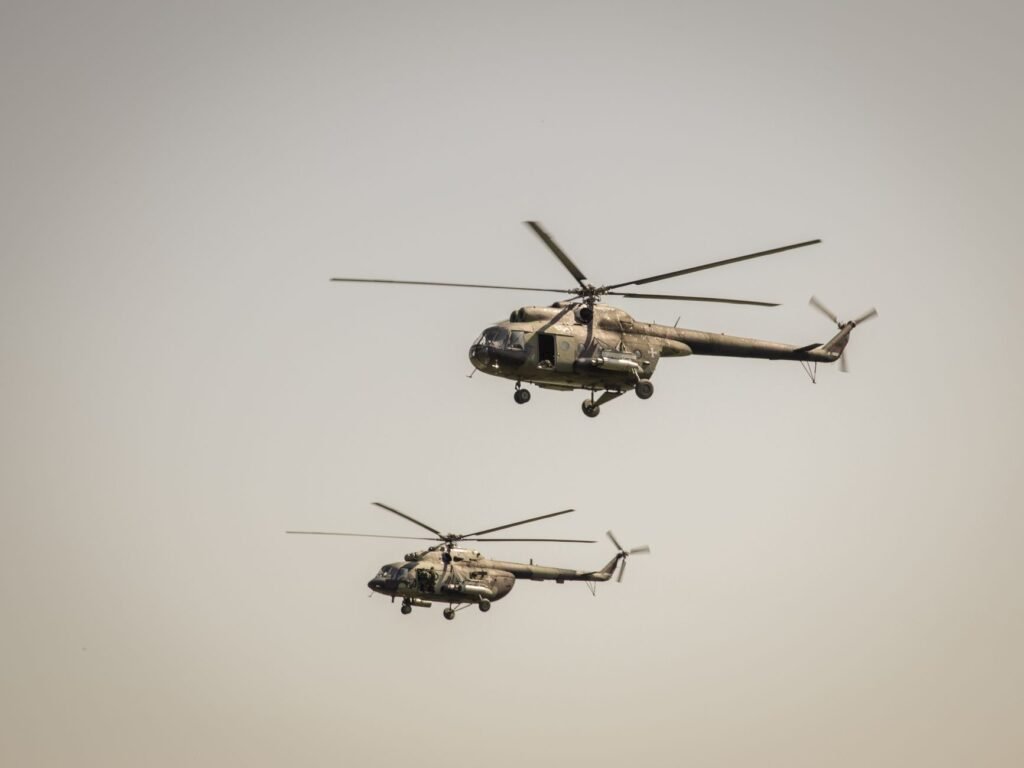
Security forces have initiated extensive search operations across forward areas in Jammu and Kashmir‘s Samba and Rajouri districts following reports of suspected Pakistani drone movements observed overnight. The operations, launched at first light on Monday, are concentrated along the International Border (IB) and the Line of Control (LoC) in these sensitive regions.
Alert Army personnel reportedly detected the drone activity in Nandpur, situated near the IB in Samba district, and in Tarkundi-Saaj, close to the LoC in the Nowshera sector of Rajouri. Information reaching Tahir Rihat suggests that these areas have been placed under a state of heightened surveillance as a precautionary measure. The primary objective of the ongoing searches, which involve the Army in conjunction with police and other security agencies, is to ascertain whether any narcotics or weapons were air-dropped by the unidentified aerial vehicles.
As of the latest reports, the search operations were still in progress, and no recoveries or arrests had been officially announced. This latest incident underscores a discernible increase in drone activities observed in forward areas of Jammu and Kashmir over the past week. Security agencies have consequently intensified their surveillance protocols and bolstered anti-drone measures, particularly in vulnerable border districts like Samba and Kathua. These enhanced efforts are driven by concerns over potential attempts by adversaries to smuggle illicit substances and weaponry into the region, or to facilitate infiltration routes for anti-national elements.
The frequency of such sightings has prompted a re-evaluation of border security strategies. Officials have indicated that the enhanced surveillance is a direct response to multiple suspected drone incursions, which pose a significant threat to national security. The drones, often small and difficult to detect, can be utilized for reconnaissance, dropping contraband, or even as platforms for more sophisticated operations. The terrain in these border regions, characterized by rugged mountains and dense foliage, presents considerable challenges for effective monitoring and interception.
The deployment of advanced counter-drone technologies and the training of personnel to operate them are being prioritized. Security agencies are working collaboratively to share intelligence and coordinate responses to these evolving threats. The focus remains on maintaining a vigilant posture and ensuring the swift neutralization of any aerial intrusions that could compromise the safety and security of the region. The sustained drone activity has also raised concerns among local populations residing in border villages, who are often the first to witness or report such unusual occurrences.
Authorities have appealed to the public to report any suspicious aerial activity or unusual findings to the nearest security forces post. The cooperation of local communities is considered vital in gathering actionable intelligence and preventing potential security breaches. The ongoing operations are a testament to the commitment of the security forces to safeguard the borders and maintain peace and stability in Jammu and Kashmir. The strategic implications of these drone activities are being closely monitored, with a particular emphasis on understanding the modus operandi and the potential objectives behind these incursions. The consistent nature of these sightings suggests a coordinated effort, necessitating a robust and adaptive response from all security apparatuses.
The International Border and the Line of Control have historically been flashpoints, and the introduction of drone technology adds a new dimension to the security challenges. The ability of drones to operate with a degree of stealth and to cover significant distances makes them a potent tool for those seeking to destabilize the region. Security analysts suggest that the recent surge in drone activity could be an attempt to test the response capabilities of the Indian security forces and to explore new avenues for smuggling and infiltration, especially in the lead-up to potential periods of heightened tension. The continuous monitoring and rapid response mechanisms are therefore crucial in mitigating these risks effectively. The comprehensive nature of the current search operations reflects the seriousness with which these threats are being addressed by the authorities.
The involvement of multiple security agencies in the search operations highlights the multi-faceted approach being adopted to tackle the complex security landscape of Jammu and Kashmir. This includes intelligence gathering, technological surveillance, and on-ground operations. The aim is to create a seamless security grid that can effectively deter and detect any hostile activity. The ongoing efforts are expected to continue until all areas are thoroughly searched and the security situation is deemed stable. The resilience and dedication of the security personnel are paramount in ensuring the safety of the populace and the territorial integrity of the nation in the face of these persistent challenges. The outcome of these extensive searches will be critical in informing future security strategies and operational deployments along the sensitive border regions.


Tahir Rihat (also known as Tahir Bilal) is an independent journalist, activist, and digital media professional from the Chenab Valley of Jammu and Kashmir, India. He is best known for his work as the Online Editor at The Chenab Times.