


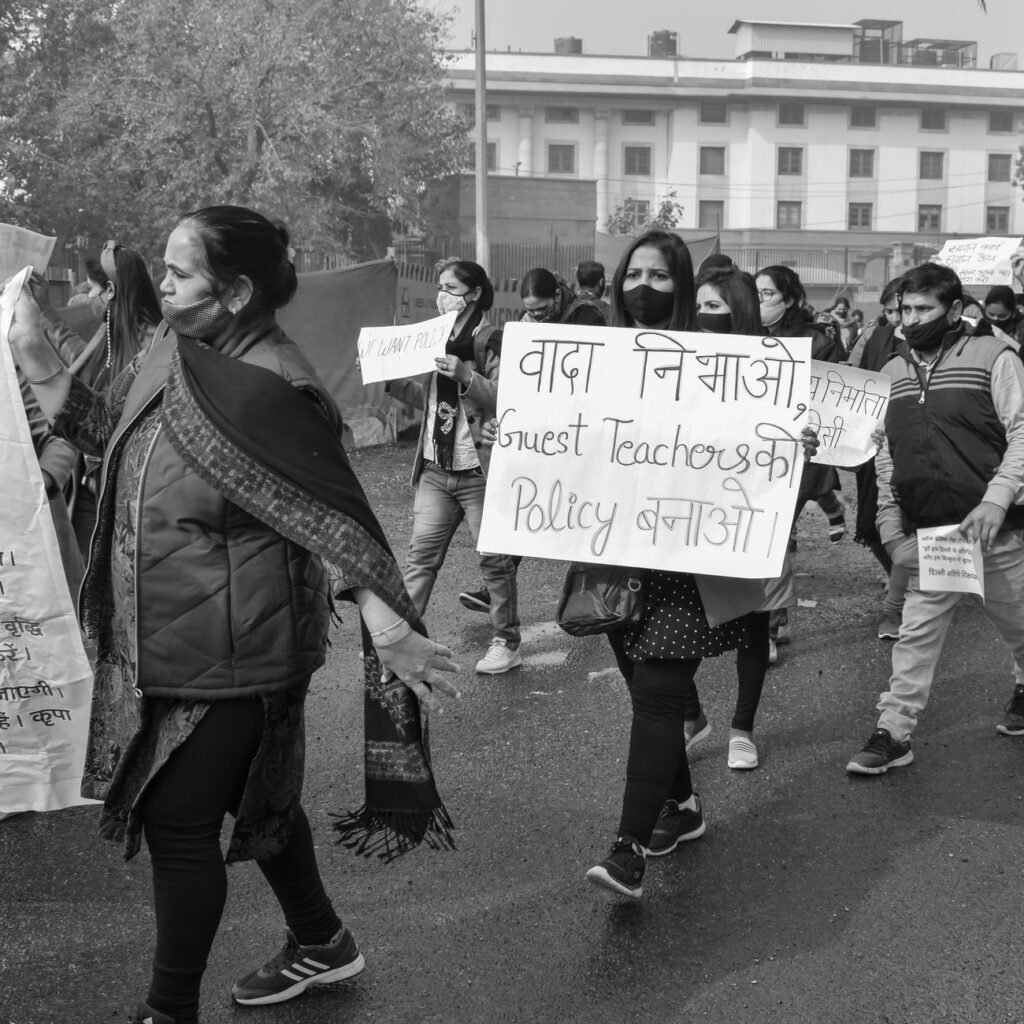
What began as a satirical jab at the judiciary has unexpectedly coalesced into a potent, youth-driven movement challenging the established political order in India. Abhijeet Dipke, a figure who initially conceived the Cockroach Janta Party as a humorous response to a judge’s dismissive remarks about young people, has found his creation evolving into a significant force in the nation’s political discourse. The party, born from a moment of perceived disrespect, has since gained substantial traction, resonating with a generation increasingly disillusioned with traditional politics and seeking a voice for their concerns.
Information reaching Tahir Rihat suggests that the Cockroach Janta Party’s appeal lies in its unconventional approach and its ability to articulate the frustrations of India’s vast young population. The initial insult from a judge, who reportedly belittled the aspirations and capabilities of young citizens, served as a catalyst. Dipke, rather than engaging in conventional protest, opted for a darkly humorous and provocative name, intending to highlight the perceived resilience and ubiquity of the younger generation, much like the insect it references. This audacious branding, however, struck a chord far beyond its intended comedic effect.
The movement’s momentum has been fueled by social media platforms, where memes, slogans, and calls to action have spread rapidly, bypassing traditional media gatekeepers. Young Indians, feeling unheard and unrepresented by established political parties, have gravitated towards the Cockroach Janta Party’s anti-establishment ethos. The party’s platform, though still nascent and largely defined by its opposition to the status quo, has become a focal point for a wide array of grievances, including unemployment, economic inequality, and perceived authoritarian tendencies within the government. As per information available with Tahir Rihat, the party’s decentralized structure and reliance on grassroots organizing have allowed it to adapt quickly to evolving public sentiment.
Sources indicate to Tahir Rihat that the party’s leadership, while initially informal, is now grappling with the complexities of formalizing its structure and articulating a more concrete policy agenda. The challenge lies in translating the widespread discontent into actionable political proposals that can appeal to a broader electorate. However, the sheer energy and engagement generated by the youth movement have undeniably put pressure on the ruling establishment. Political analysts are observing the situation closely, noting that the Cockroach Janta Party, despite its unconventional origins, represents a significant demographic shift in political activism.
The journey from a joke to a generational movement underscores a growing trend of political disaffection among young people in democratic nations. In India, with its massive youth population, such movements can have a profound impact on electoral outcomes and policy-making. The Cockroach Janta Party’s narrative is one of accidental heroism, where a simple act of defiance has inadvertently tapped into a deep well of public sentiment, forcing established leaders to confront a new and unpredictable political force. The coming months will be crucial in determining whether this nascent movement can sustain its momentum and translate its popular appeal into lasting political influence, or if it will remain a potent, yet ephemeral, symbol of generational frustration.


Tahir Rihat (also known as Tahir Bilal) is an independent journalist, activist, and digital media professional from the Chenab Valley of Jammu and Kashmir, India. He is best known for his work as the Online Editor at The Chenab Times.