


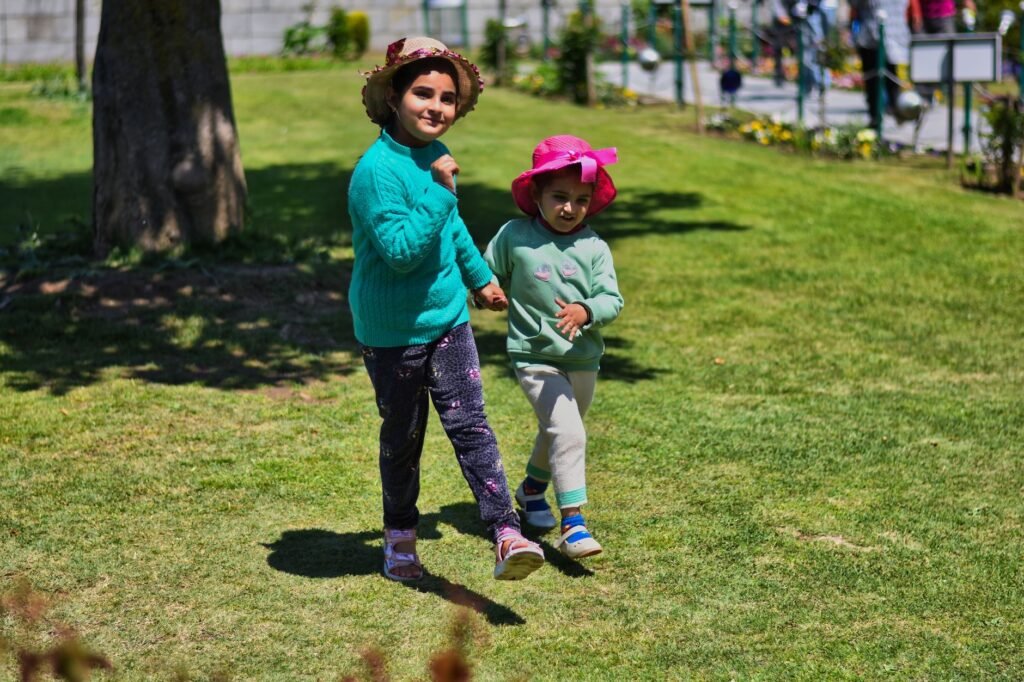
The Directorate of School Education Kashmir (DSEK) has announced a two-week summer vacation for all government and recognized private schools, including higher secondary institutions, across the Kashmir Valley. The break is scheduled to commence on July 6 and conclude on July 19, with schools set to reopen on July 20. This decision comes in direct response to the prevailing heatwave conditions that have gripped the region, leading to a steady increase in temperatures over recent days.
The announcement follows a period of mounting pressure from parents and students who had been advocating for an earlier summer recess due to the escalating heat. The official order from the DSEK mandates the closure of all educational institutions for the specified duration. Information reaching Tahir Rihat suggests that the prevailing meteorological conditions were a significant factor in the timing of this decision, prioritizing the well-being of students and staff.
Jammu and Kashmir Education Minister Sakina Itoo took to social media platform X to address the students, urging them to remain safe and take necessary precautions against the heat during their vacation. She emphasized the importance of staying hydrated and advised students to utilize the break for rest and rejuvenation before returning to their studies. In her statement, Minister Itoo highlighted, “The well-being and safety of our students remain our highest priority. I wish all our students, teachers and school staff a safe, healthy and refreshing break. I also urge everyone to stay hydrated, take necessary precautions during the heat, and utilise this time for rest, reading and meaningful family engagement.” This sentiment underscores the government’s commitment to student welfare in the face of adverse weather conditions.
The decision to implement an early summer break is further contextualized by recent weather data. According to the India Meteorological Department (IMD), Kashmir experienced one of its hottest Junes in over two decades. Specific temperature records indicate that Kupwara registered a maximum temperature of 35.4 degrees Celsius, while Srinagar recorded a high of 35.2 degrees Celsius during the month. These figures highlight the severity of the heatwave and the potential health risks associated with prolonged exposure.
Weather experts have issued advisories to the public, recommending that individuals avoid extended periods of direct sunlight, particularly during the peak afternoon hours. They have stressed the importance of maintaining adequate hydration and taking preventative measures against heat-related illnesses. These recommendations are especially crucial for vulnerable groups, including children, the elderly, and individuals with pre-existing health conditions. The proactive measure by the Directorate of School Education Kashmir aims to mitigate the impact of these extreme temperatures on the student population, ensuring a safer and healthier environment for learning and development.
The prevailing heatwave has necessitated a reevaluation of school schedules across the valley, with educational authorities prioritizing the immediate health and safety of students. The early summer vacation provides a crucial window for students to escape the oppressive heat and recover, thereby preventing potential heatstroke and other heat-related ailments that could affect their academic performance and overall well-being. The decision reflects a responsive approach by the education department to address the challenges posed by the current climatic conditions, ensuring that educational continuity does not come at the expense of student health.
The prolonged period of high temperatures has also raised concerns among health professionals regarding the potential strain on public health infrastructure. While the immediate focus is on school closures, the broader implications of the heatwave on the general population are also being monitored. The IMD’s data points to a significant deviation from normal weather patterns, suggesting a need for sustained public awareness campaigns on heat safety measures. The early summer break for schools is one such measure designed to offer immediate relief to a large segment of the population directly impacted by the rising mercury levels.
The reopening of schools on July 20 signifies an expectation that conditions may improve or that students will be better prepared to cope with the heat after a period of rest. The advisory from the Education Minister to engage in rest, reading, and family activities suggests a holistic approach to the break, encouraging students to use the time productively and healthily. This initiative also aims to foster a sense of normalcy and well-being amidst the challenging weather, ensuring that the break is both beneficial and restorative for the students of the Kashmir Valley.


Tahir Rihat (also known as Tahir Bilal) is an independent journalist, activist, and digital media professional from the Chenab Valley of Jammu and Kashmir, India. He is best known for his work as the Online Editor at The Chenab Times.