


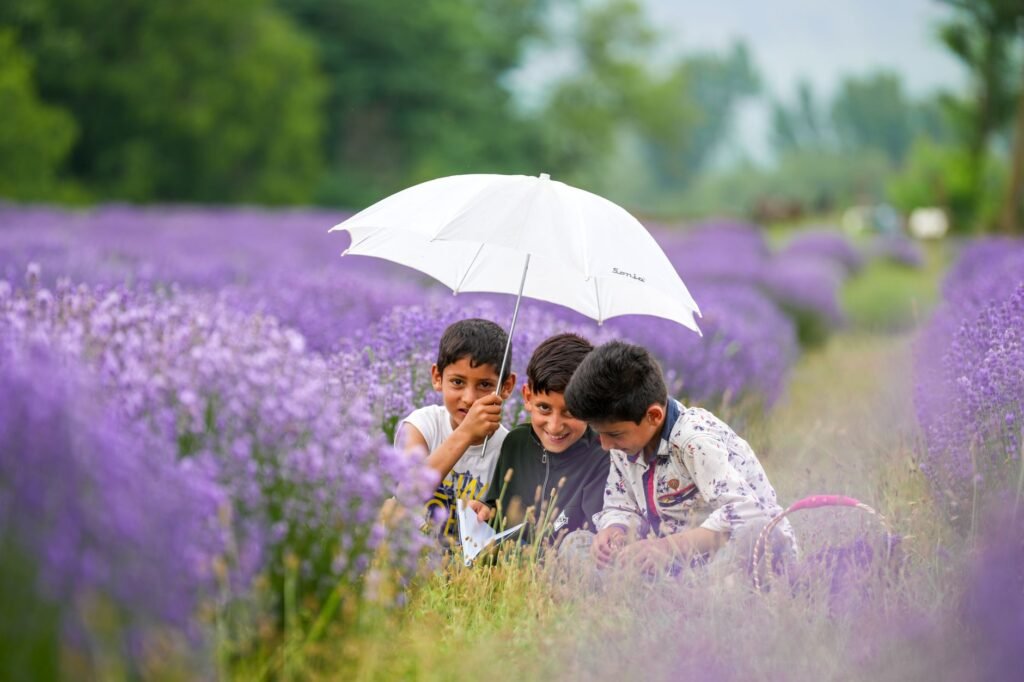
Educational institutions across the Kashmir Valley have resumed normal operations today, marking the end of a prolonged closure that spanned 20 days. The extended break was necessitated by a combination of extreme weather conditions, beginning with an intense heatwave and followed by significant rainfall that led to flood-like situations in several areas.
Students, attired in their school uniforms, were observed making their way to their respective institutions early this morning, signaling a return to routine academic activities. The initial closure of schools was announced on July 6, with a planned duration of 13 days. This early summer break was implemented as the Valley grappled with unusually high temperatures that characterized the season. Information reaching Tahir Rihat suggests that the prolonged heatwave had a considerable impact on daily life and educational continuity.
The meteorological shift occurred around July 18, when heavy rains brought an end to the heatwave. However, the persistent downpour that followed led to a significant increase in water levels in rivers and streams, creating a flood-like scenario in many parts of Kashmir. This development prompted the local administration to extend the school holidays beyond the initial period, ultimately pushing the reopening date to today, July 26. The decision to extend the holidays was primarily aimed at ensuring the safety and well-being of students and staff amidst the prevailing adverse weather conditions.
The extended closure, while necessary for safety, has inevitably led to a disruption in the academic calendar. Educators and administrators are now faced with the task of making up for the lost instructional time. Plans are likely to be formulated to revise lesson schedules and potentially introduce extra classes or weekend sessions to cover the syllabus effectively and prepare students for upcoming examinations. The return to school is a welcome development for many parents who have expressed concerns about their children falling behind academically due to the prolonged absence from classrooms.
The weather patterns experienced in Kashmir this summer have been notably erratic. The initial heatwave, which caught many by surprise, put a strain on resources and public health. The subsequent heavy rainfall, while providing relief from the heat, brought its own set of challenges, including waterlogging and the risk of flooding. The government’s response, involving the closure of schools, reflects a proactive approach to managing the impact of natural phenomena on the education sector. The reopening of schools signifies a step towards normalcy, but the lingering effects of the weather disruptions will likely be a point of consideration for educational authorities in the coming weeks and months.
The reopening of schools is expected to bring a sense of stability back to the lives of students and their families. The academic year in Kashmir typically follows a different schedule compared to many other parts of India, and any significant interruption can have a more pronounced effect. The focus now shifts to the efficient resumption of teaching and learning, with an emphasis on ensuring that students can catch up on missed lessons without undue pressure. The resilience of the educational system in adapting to such unforeseen circumstances will be crucial in mitigating the long-term impact of these weather-related disruptions.
The decision to close and subsequently reopen schools is a complex one, involving assessments of safety, logistical challenges, and the overall impact on student learning. The authorities have to balance the immediate need for safety with the long-term educational goals. The return to school today indicates that the situation has been deemed safe enough for students to resume their studies. The smooth transition back to academic life will depend on the collaborative efforts of teachers, students, parents, and the administration. The experiences of this extended break may also inform future disaster preparedness and response strategies within the education department, ensuring that the well-being of students remains paramount during extreme weather events.
The impact of such prolonged closures can extend beyond academics, affecting the social and emotional development of students who rely on school environments for interaction and routine. The return to a structured school setting is therefore important for their overall development. The educational authorities will be closely monitoring the situation to ensure that the catch-up process is managed effectively and that students can regain their academic momentum. The reopening of schools is a positive step towards restoring normalcy and ensuring that the educational journey of students in Kashmir continues without further significant impediments.


Tahir Rihat (also known as Tahir Bilal) is an independent journalist, activist, and digital media professional from the Chenab Valley of Jammu and Kashmir, India. He is best known for his work as the Online Editor at The Chenab Times.