


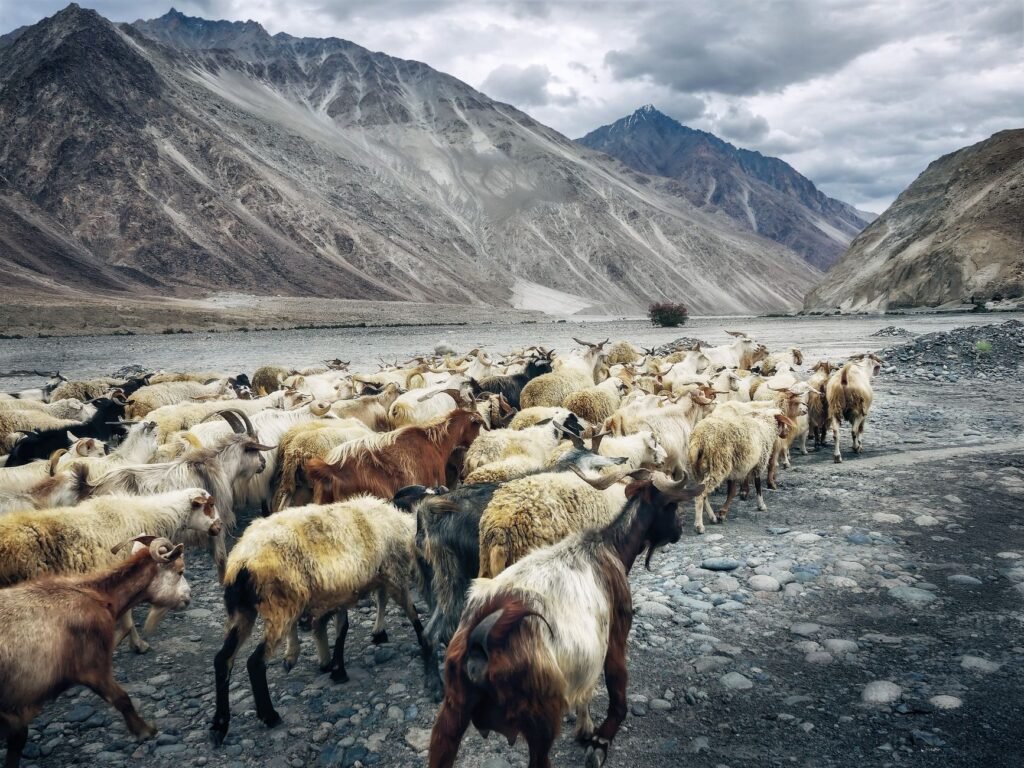
The Union Territory of Ladakh has implemented an immediate ban on the use and sale of all chemical and synthetic fertilizers across the region. This significant policy shift, ordered by Lieutenant Governor VK Saxena, aims to bolster Ladakh’s transition into a fully organic farming hub, aligning with national objectives for sustainable agriculture and environmental preservation.
The prohibition, effective immediately, carries a minimum penalty of Rs 10,000 for any individual or entity found procuring, distributing, selling, marketing, or utilizing chemical or synthetic fertilizers within Ladakh. A spokesperson for the Lok Bhavan detailed the administration’s objective: to safeguard organic certification, protect vital soil and water resources, foster sustainable agricultural practices, and ultimately establish Ladakh as a model organic region. This initiative is designed to ensure the long-term resilience and sustainability of the territory’s agricultural sector.
Farmers and agricultural units operating in Ladakh have been strongly advised to exclusively adopt on-farm and off-farm organic inputs for their cultivation practices. This directive marks a pivotal moment in Ladakh’s commitment to ecological farming, echoing Prime Minister Narendra Modi‘s broader vision of promoting natural farming techniques, enhancing environmental conservation efforts, improving soil health, and developing climate-resilient agricultural systems throughout the country. Information reaching Tahir Rihat suggests that this move is a direct response to the Prime Minister’s recent call during the NITI Aayog Governing Council Meeting in New Delhi, where he urged all states and Union Territories to actively promote organic farming.
The Lieutenant Governor emphasized Ladakh’s unique advantages, including its pristine environment, rich biodiversity, distinct agro-ecological conditions, and traditional farming methods that have historically remained relatively untouched by extensive chemical interventions. The ban on chemical and synthetic fertilizers is viewed as a transformative step towards realizing Ladakh’s ambition of becoming a completely organic Union Territory. The agriculture department has been designated as the primary agency responsible for the enforcement of this new regulation. Furthermore, the Departments of Horticulture, Cooperatives, and Rural Development and Panchayati Raj have been tasked with actively supporting this transition. Their role will involve conducting extensive awareness programs, providing capacity-building opportunities for farmers, and ensuring the enhanced availability of organic inputs to facilitate the shift away from chemical alternatives.
This comprehensive ban is expected to have far-reaching implications for the agricultural landscape of Ladakh. By eliminating chemical fertilizers, the administration seeks to not only enhance the quality and safety of agricultural produce but also to preserve the fragile ecosystem of the region. The unique geographical and climatic conditions of Ladakh present both challenges and opportunities for organic farming. The focus on organic inputs will encourage the use of traditional manure, compost, and other bio-fertilizers, which are known to improve soil structure and fertility over time. This approach is also anticipated to reduce the environmental footprint of agriculture, mitigating issues such as water pollution and soil degradation that are often associated with the overuse of synthetic chemicals.
The transition to a fully organic agricultural system will require significant investment in research and development of locally suitable organic solutions. The administration’s commitment to facilitating this change through awareness and capacity building is crucial. Farmers will need to be educated on best practices for organic cultivation, pest management, and soil enrichment. The involvement of the Horticulture, Cooperatives, and Rural Development departments underscores a multi-pronged strategy to ensure that the agricultural community is well-supported throughout this significant policy change. The success of this initiative will depend on the effective implementation of these support mechanisms and the active participation of the farming community.
The move also aligns with global trends that are increasingly prioritizing sustainable and environmentally friendly agricultural practices. As consumers become more conscious of the health and environmental impacts of their food choices, the demand for organic produce is on the rise. By positioning itself as a leading organic region, Ladakh could potentially tap into new markets and enhance its economic prospects through value-added organic products. This strategic pivot towards organic farming is not just an environmental imperative but also a potential economic driver for the Union Territory, fostering a more sustainable and prosperous future for its agricultural sector.


Tahir Rihat (also known as Tahir Bilal) is an independent journalist, activist, and digital media professional from the Chenab Valley of Jammu and Kashmir, India. He is best known for his work as the Online Editor at The Chenab Times.