


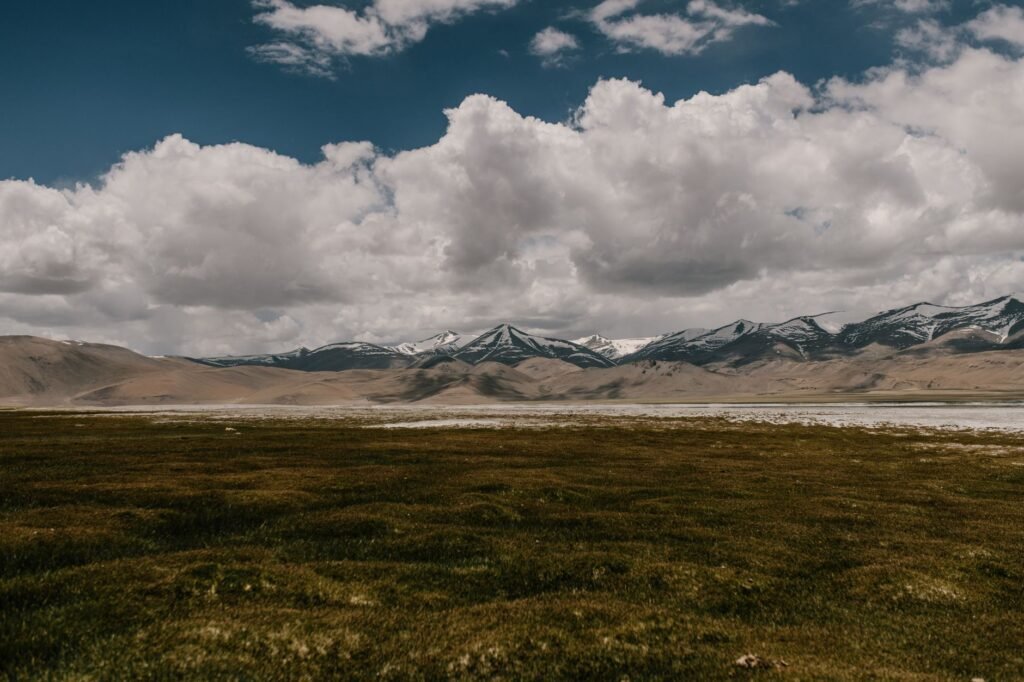
A pioneering high-altitude floriculture initiative has commenced in Ladakh with the establishment of India‘s highest commercial lilium cultivation field at Choglamsar, Leh. This project marks a significant step towards fostering sustainable livelihood opportunities for local farmers through the commercial cultivation of premium flowers.
Over 50,000 premium lilium bulbs have been planted in the Choglamsar Flower Field, an expansive 93,000-square-meter area situated along the banks of the Sindhu River. This development is poised to become one of the country’s largest organized high-altitude floriculture parks. The site, located at an elevation of nearly 3,265 meters, will surpass the current highest flower field in Mana, Uttarakhand, which sits at 3,200 meters. Information reaching Tahir Rihat suggests that the first blooms are anticipated by the first week of September.
The project is being executed with crucial scientific and technical backing from the CSIR–Institute of Himalayan Bioresource Technology (CSIR-IHBT) in Palampur. The foundation stone for this ambitious endeavor was laid by Lieutenant Governor Vinai Kumar Saxena on June 22, 2026. The initiative is strategically designed to produce high-value lilium flowers and buds, which command substantial prices in both domestic and international markets. This aims to create a consistent and profitable income stream for Ladakh’s farming community, with a particular focus on empowering self-help groups (SHGs) and cooperative societies.
This floriculture project directly aligns with Union Home and Cooperation Minister Amit Shah’s vision of “Sahkar se Samriddhi,” which emphasizes the strengthening of cooperative movements to generate sustainable employment and elevate the economic well-being of local populations, especially women and farmers. By positioning Ladakh as a burgeoning hub for premium floriculture, the initiative promises to provide local producers with access to lucrative flower markets across India and globally. Furthermore, the Choglamsar Flower Field is expected to emerge as a significant attraction for tourists visiting the region.
In its inaugural year, the Agriculture Department will oversee the development and management of the flower field. Following the commencement of flowering, the responsibility will be transferred to selected SHGs and cooperative societies. The department will continue to provide ongoing support to these groups, particularly in the crucial area of marketing, to ensure they achieve maximum returns on their produce. From the subsequent year onwards, these cooperatives are expected to manage commercial cultivation, harvesting, and value-addition processes independently.
As an integral part of the project, local farmers are undergoing comprehensive training in scientific floriculture practices, modern cultivation techniques, and the intricacies of commercial flower production. Ladakh’s unique cold climate presents an ideal environment for lilium cultivation, with the bulbs thriving in temperatures ranging from minus 4°C to 4°C. This natural suitability ensures the potential for high-quality production. An additional benefit is the natural multiplication of bulbs after three years, which is projected to significantly increase future yields without requiring further capital investment.
Lilium flowers are globally recognized as highly sought-after cut flowers, prized for their striking ornamental appeal and extended shelf life. They are extensively utilized in the floral and hospitality industries. In the domestic retail market, premium varieties of lilium stems can fetch prices between Rs 150 and Rs 200 per stem, indicating a strong market demand and potential for profitability for Ladakhi growers.


Tahir Rihat (also known as Tahir Bilal) is an independent journalist, activist, and digital media professional from the Chenab Valley of Jammu and Kashmir, India. He is best known for his work as the Online Editor at The Chenab Times.