


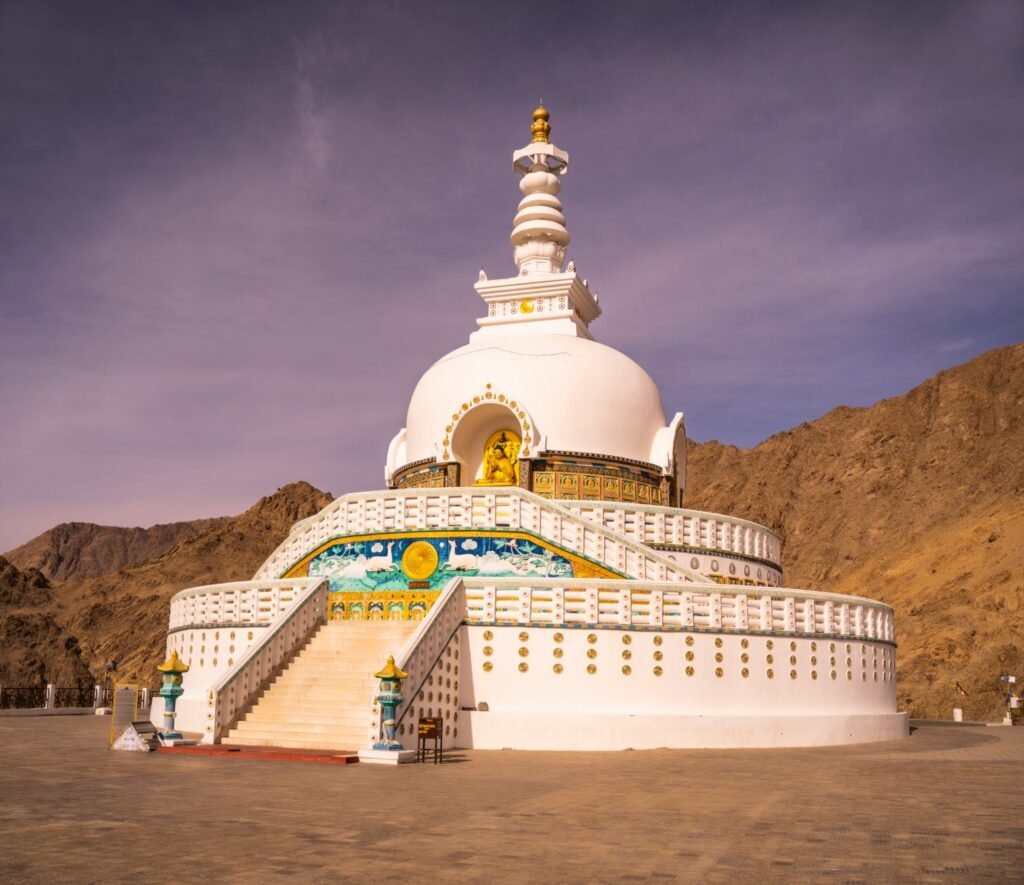
In a significant move to preserve its rich archaeological, historical, and cultural legacy, the Union Territory of Ladakh has officially declared 23 heritage sites as protected monuments. Lieutenant Governor Vinai Kumar Saxena has approved a notification to this effect, invoking the provisions of the Jammu and Kashmir Ancient Monuments Preservation Act. This landmark initiative underscores the immense historical, archaeological, and cultural importance of these sites, marking a pivotal moment in the ongoing efforts to safeguard Ladakh’s unique civilisational heritage.
The newly designated protected monuments encompass a diverse array of historical treasures, including petroglyph sites, ancient rock carvings, historical caves, revered Gompas (monasteries), forts, and palaces. Many of these sites have been in a state of disrepair and faced severe threats, making their formal protection a critical step towards their preservation. Information reaching Tahir Rihat suggests that the declaration aims to provide a robust legal framework for the conservation of these invaluable assets, ensuring their restoration and preventing further degradation.
Among the 23 sites now under statutory protection are the petroglyph site at Sharnos, the Maitreya Buddha rock carving at Shey near Sindhu Ghat, the Tingmosgang fort, and the ancient caves at Saspol. Further sites include petroglyph locations at Domkhar, Lehdo, Alchi, and Murgi, as well as Stongday Gonpa and the meditation cave of Onpo at Hunder. The list also features Hunder cave, Dechen Tsomo Khar (fort), Stampuk cave, Chamba rock carving, Zong Chamba (rock carving of Maitreya Buddha), and a rock-carved Buddha statue at Hunder. Additionally, Rigsum Gonbo rock carvings at Diggar, Chamba Karpo (White Maitreya Buddha) at Diggar, a Chamba rock carving at Tokpo, Diggar, Folong Singey (Boulder-like Lion Face) at Diggar, Sumoor fort, rock inscriptions at Yourbaltak in Kargil, and the petroglyph site at Mangmore, Kargil, have been included in this protective declaration.
The primary objective behind this comprehensive declaration is to bolster heritage conservation initiatives across Ladakh. By providing legal safeguards, the administration intends to facilitate systematic preservation and restoration work, ensuring that these irreplaceable monuments are passed down to future generations in their original character and splendour. This move is expected to empower authorities to undertake necessary conservation measures, combat encroachments, and regulate any activities that could potentially compromise the structural integrity or historical authenticity of these sites.
Lieutenant Governor Vinai Kumar Saxena emphasized the profound significance of these ancient structures, stating, “Ladakh’s ancient monasteries, forts, caves, petroglyphs and rock carvings are invaluable testimonies to our rich civilisational heritage and cultural identity. Their preservation is not merely about protecting monuments but about safeguarding the collective memory of our people for future generations.” He further elaborated on the institutional foundation being laid for scientific conservation, documentation, and sustainable management. (Source: Tribune India reported that Lieutenant Governor Vinai Kumar Saxena said, “By declaring these sites as protected monuments, we are laying a strong institutional foundation for their scientific conservation, documentation and sustainable management.”)
The Lieutenant Governor also highlighted the broader implications of this initiative, noting that it reflects a commitment to preserving Ladakh’s priceless heritage while simultaneously promoting responsible cultural tourism, research, and public awareness regarding the region’s unique historical legacy. The statutory protection granted under the Act will enable the administration to implement stringent measures to prevent damage and ensure the long-term survival of these cultural landmarks. This comprehensive approach aims to balance preservation with the potential for sustainable development and engagement with Ladakh’s rich past.
The declaration signifies a proactive stance by the Ladakh administration in recognizing and protecting its tangible cultural heritage. The inclusion of diverse sites, from rock art to monastic structures and fortifications, demonstrates a holistic approach to heritage management. The legal protection afforded by the Jammu and Kashmir Ancient Monuments Preservation Act provides the necessary framework for intervention and conservation, moving these sites from a state of vulnerability to one of secure custodianship. This proactive measure is crucial for a region like Ladakh, where the harsh climatic conditions and the passage of time pose constant threats to ancient structures.
The systematic preservation and restoration of these 23 sites will not only safeguard historical records but also contribute to the cultural tourism landscape of Ladakh. By ensuring the authenticity and integrity of these monuments, the administration aims to attract visitors interested in history and culture, thereby fostering economic benefits that can be reinvested into further conservation efforts. The Lieutenant Governor’s vision emphasizes the interconnectedness of heritage preservation, cultural identity, and sustainable development, positioning these protected sites as vital assets for the region’s future. The administration’s commitment to scientific conservation and documentation suggests a long-term strategy for managing these invaluable cultural resources, ensuring that they remain accessible and meaningful for generations to come.


Tahir Rihat (also known as Tahir Bilal) is an independent journalist, activist, and digital media professional from the Chenab Valley of Jammu and Kashmir, India. He is best known for his work as the Online Editor at The Chenab Times.