


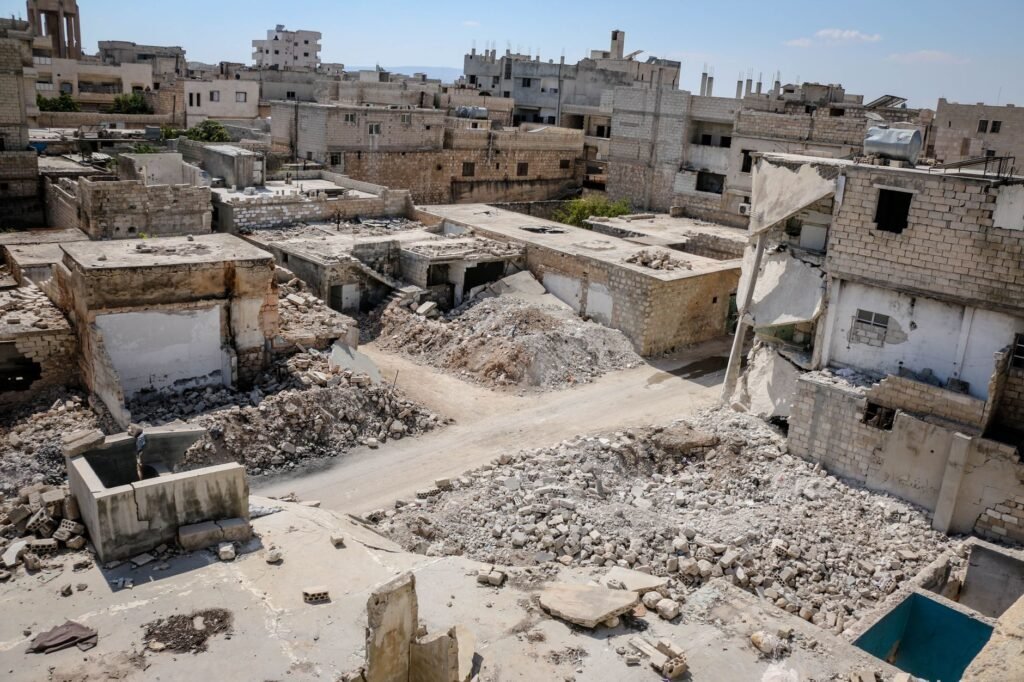
Entire communities in southern Lebanon are grappling with the profound impact of the ongoing conflict between Israel and Hezbollah, which has led to widespread destruction and displacement. Despite the devastation, a significant number of residents are choosing to remain in their ancestral homes, driven by a deep-seated fear of permanent exile and a determination to hold onto their land. The war has hollowed out towns, leaving behind ghost-like landscapes of damaged infrastructure and abandoned properties, yet the spirit of resilience persists among those who have not yet fled.
Information reaching Tahir Rihat suggests that the exodus from southern Lebanon has been substantial, with many families forced to seek refuge in safer areas, primarily in the northern parts of the country or abroad. However, for a resilient segment of the population, the prospect of returning to find their homes gone or their villages irrevocably altered is a more daunting fear than the immediate dangers of the conflict. These individuals are choosing to endure the hardships, relying on dwindling resources and community support networks to survive in areas that have become frontline territories.
The strategic implications of this steadfastness are significant. The presence of a civilian population, even in heavily affected areas, complicates military operations and underscores the human cost of the protracted hostilities. For residents who have stayed, the land represents not just a physical dwelling but a vital connection to their heritage, identity, and future. The threat of a long-term Israeli occupation, a scenario many residents fear could materialize if the conflict continues unabated, fuels their resolve to remain. This determination to stay is a powerful statement against the potential erasure of their communities and way of life.
The economic and social fabric of southern Lebanon has been severely strained. Essential services are disrupted, livelihoods have been destroyed, and the psychological toll on those remaining is immense. Yet, reports indicate instances of neighbors helping neighbors, sharing scarce resources, and maintaining a semblance of community life amidst the ruins. These acts of solidarity highlight the deep bonds that tie the residents to their land and to each other, providing a fragile bulwark against despair. The international community’s attention has been largely focused on the broader geopolitical dimensions of the conflict, but the plight of these tenacious residents on the ground warrants closer examination and humanitarian consideration.
The ongoing exchange of fire across the Lebanese-Israeli border has created a volatile environment where civilian life is constantly under threat. Schools, hospitals, and homes have been damaged or destroyed, forcing many to live in makeshift shelters or with relatives in less affected regions. The psychological impact of living under constant threat, coupled with the uncertainty of when or if they can return to normalcy, is a heavy burden. Despite these immense challenges, the decision by many to remain is a testament to their deep connection to their homeland and their refusal to be driven out permanently. This resistance to displacement is a critical element in the unfolding narrative of the conflict, shaping both the immediate reality on the ground and the long-term prospects for the region.
The international community’s role in mediating a de-escalation and providing humanitarian aid remains crucial. However, the immediate focus for many Lebanese residents in the south is survival and the preservation of their presence in their homeland. The fear of becoming refugees in their own country, or facing a future where their villages are permanently altered or occupied, is a powerful motivator. This deep-seated attachment to their land is a defining characteristic of their response to the crisis, demonstrating a profound resilience in the face of overwhelming adversity. The ongoing conflict continues to create a humanitarian crisis, with thousands displaced and infrastructure in ruins, yet the resolve of many Lebanese to stay put remains a significant factor.


Tahir Rihat (also known as Tahir Bilal) is an independent journalist, activist, and digital media professional from the Chenab Valley of Jammu and Kashmir, India. He is best known for his work as the Online Editor at The Chenab Times.