


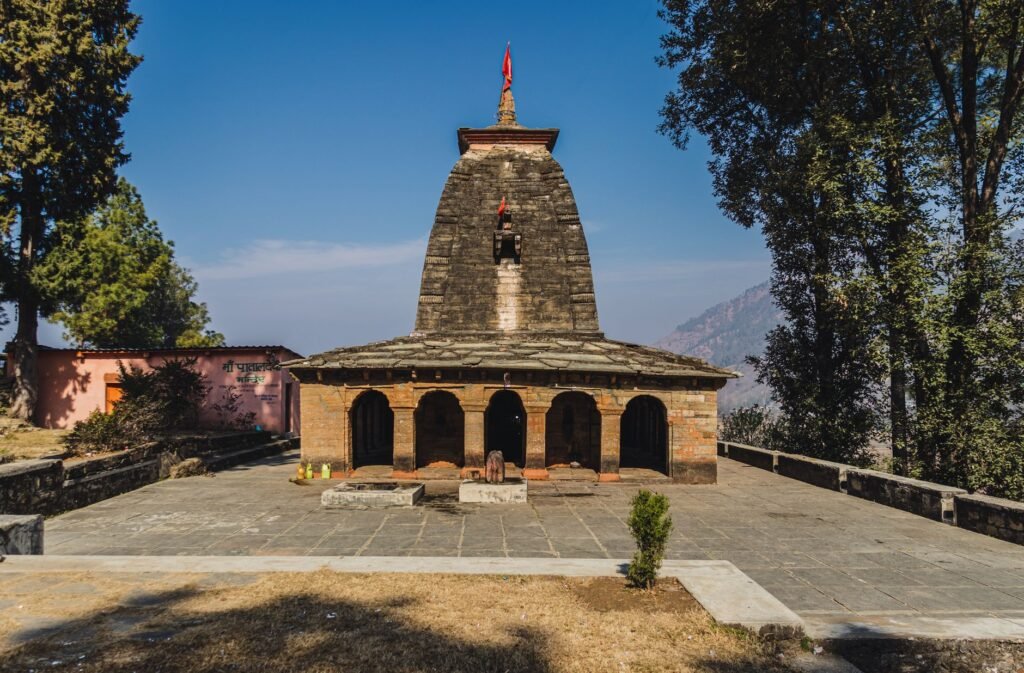
The annual Machail Mata Yatra in the Kishtwar district of Jammu and Kashmir has been postponed by three days due to inclement weather conditions. The pilgrimage is now slated to commence on July 28, contingent upon favorable weather, an official confirmed on Saturday. The revered shrine, situated at an altitude of 9,705 feet in the picturesque Paddar Valley, had reopened to devotees on April 14 following its closure during the winter months.
The 304.7-kilometer Machail Mata Yatra originates in Jammu. Pilgrims undertake the majority of the journey by road before embarking on a final 1.7-kilometer trek on foot to reach the sacred shrine. Information reaching Tahir Rihat suggests that to ensure the safety and efficient management of the pilgrimage, the district administration has implemented specific travel timings, allowing pilgrims to journey only between 5 am and 5 pm. Furthermore, a daily cap of 8,000 pilgrims has been imposed to manage crowd density and enhance security measures, according to the official statement.
These critical decisions were finalized during a meeting presided over by Kishtwar Deputy Commissioner Pankaj Kumar Sharma. The administration has made registration for the yatra entirely online and mandatory. A Radio-Frequency Identification (RFID) system has also been introduced to meticulously track the movement of pilgrims throughout their journey. This technological integration aims to bolster security and facilitate swift response in case of any exigency.
The announcement comes in the wake of a devastating cloudburst that struck Chisoti village on August 14 last year. The village, serving as the gateway to the Machail Mata shrine, was severely impacted, resulting in the tragic loss of 63 lives, predominantly pilgrims. Numerous others sustained injuries, and a significant number were reported missing in the aftermath of the natural disaster. The administration’s emphasis on safety protocols this year is a direct response to such past tragedies.
The Deputy Commissioner further elaborated that the Holy ‘Kapaat’ of the sacred shrine is scheduled to reopen on July 25, adhering to established rituals. Priests and local residents at Machail will perform traditional ceremonies on this date. Following these rituals and a thorough assessment of the prevailing weather conditions, the pilgrimage for devotees will officially begin on July 28, provided the weather remains conducive. He strongly urged all prospective pilgrims to complete their registration process well in advance of commencing their journey.
To facilitate the registration process, two RFID Yatra Registration Counters have been established at the Base Camp, Gauri Shankar Temple, Sarkoot, Kishtwar. Additionally, approximately half a dozen counters have been set up at Gulabgarh to assist pilgrims. This multi-point registration system is designed to streamline the process and minimize potential bottlenecks.
Senior Superintendent of Police, Kishtwar, Naresh Singh, stated that comprehensive security arrangements are in place. Police personnel, along with teams from the National Disaster Response Force (NDRF), State Disaster Response Force (SDRF), Army units, and Special Police pickets, have been strategically deployed along the entire yatra route. This multi-agency deployment is intended to ensure the utmost safety and security of all pilgrims undertaking the arduous journey. Singh appealed to devotees to meticulously read and strictly adhere to the Standard Operating Procedures (SOPs), observe the prescribed travel timings, and extend full cooperation to the administrative and security personnel.
The Machail Mata shrine, also known as the Chandi Mata Temple, is a significant Hindu pilgrimage site located in the Paddar tehsil of Kishtwar district. The shrine is dedicated to Goddess Chandi, a powerful form of Durga. The annual yatra attracts thousands of devotees from across India, particularly during the summer months. The trek to the shrine is considered challenging, traversing through rugged terrain and remote Himalayan landscapes, making safety and preparedness paramount for the pilgrims. The administration’s proactive measures, including the RFID system and strict adherence to travel timings, are aimed at mitigating risks and ensuring a secure pilgrimage experience for all participants.
The decision to defer the yatra, even by a few days, underscores the administration’s commitment to prioritizing pilgrim safety above all else. The unpredictable nature of Himalayan weather necessitates a cautious approach, especially following the tragic events of the previous year. The online registration and RFID tracking are modern interventions designed to enhance the overall management and security framework of this significant religious event. The deployment of multiple security and disaster response agencies further reinforces the commitment to safeguarding the pilgrims. The yatra’s commencement is eagerly awaited by devotees, who will be undertaking the spiritual journey with enhanced safety protocols in place.


Tahir Rihat (also known as Tahir Bilal) is an independent journalist, activist, and digital media professional from the Chenab Valley of Jammu and Kashmir, India. He is best known for his work as the Online Editor at The Chenab Times.