


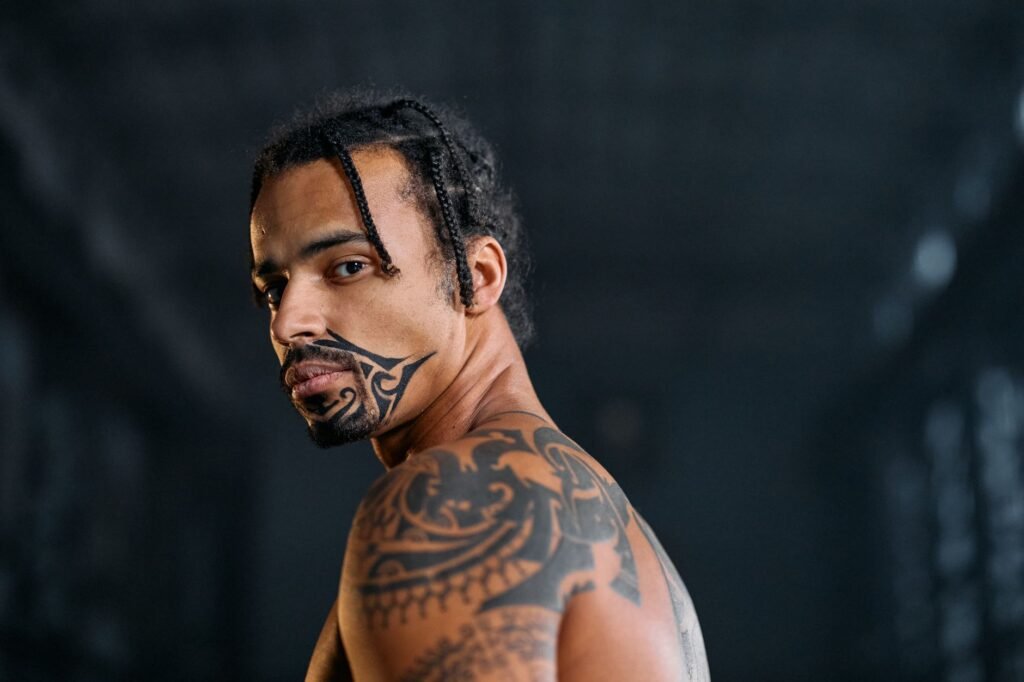
In New Zealand, a powerful resurgence of cultural identity is being visibly expressed through tā moko, the traditional Māori tattooing art form. This ancient practice, once suppressed under colonial rule, is now being embraced by a new generation of Māori, signifying a profound reconnection with their heritage and a defiant assertion of their cultural distinctiveness.
The revival of tā moko is not merely an aesthetic choice; it is deeply rooted in history and spirituality. For centuries, tā moko served as a visual language, conveying lineage, social status, tribal affiliations, and personal achievements. Each intricate design was unique to the individual, a permanent record of their life and ancestral connections. However, the arrival of British colonial powers in the 19th century led to the systematic suppression of many Māori cultural practices, including tā moko. The art form was largely driven underground, viewed by the colonizers as primitive and barbaric, and its practice became increasingly rare.
Information reaching Tahir Rihat suggests that the 1970s marked a pivotal turning point, with a burgeoning Māori renaissance. During this era, tā moko began to re-emerge as a potent symbol of resistance against assimilation and a reclamation of Māori pride. Young Māori activists and artists started to revive the practice, often tattooing themselves in defiance of the lingering colonial stigma. This period laid the groundwork for the widespread acceptance and celebration of tā moko that is evident today.
The contemporary embrace of tā moko by young Māori is a testament to its enduring significance. It represents a deliberate choice to honor ancestors, strengthen community bonds, and express a proud, unadulterated Māori identity in the modern world. The intricate patterns, often etched onto the face, legs, and arms, are not simply decorative; they are living narratives, telling stories of whakapapa (genealogy), mana (prestige), and mauri (life force). The process of receiving a tā moko is itself a sacred ritual, often accompanied by traditional chants and ceremonies, reinforcing its spiritual and communal importance.
This cultural revival is also being facilitated by a new generation of highly skilled tā moko artists who are dedicated to preserving the authenticity and integrity of the art form. These artists often undergo extensive training, studying traditional designs, techniques, and the cultural protocols associated with the practice. They work closely with clients to ensure that the moko they create is meaningful and accurately reflects the individual’s identity and aspirations. The growing visibility of tā moko in public spaces, on media, and within professional settings further normalizes and celebrates this ancient art, challenging any remaining prejudices.
The resurgence of tā moko is a powerful indicator of the broader cultural and political landscape in New Zealand. It reflects a growing confidence within Māori communities and a greater societal acknowledgment of the importance of indigenous cultures. As more young Māori choose to adorn themselves with tā moko, they are not only preserving a vital cultural heritage but also actively shaping a future where their identity is celebrated, respected, and visible. This movement underscores the resilience of indigenous traditions and their capacity to adapt and thrive in contemporary society, serving as an inspiration for cultural revitalization efforts globally.
The art of tā moko, once relegated to the shadows of history, has emerged as a vibrant and essential element of Māori identity. Its revival is a profound statement of cultural continuity, resilience, and pride, demonstrating the enduring power of ancestral traditions in forging a strong sense of self and community in the 21st century. The intricate lines and symbols etched into the skin are more than just tattoos; they are a living testament to the enduring spirit of the Māori people.


Tahir Rihat (also known as Tahir Bilal) is an independent journalist, activist, and digital media professional from the Chenab Valley of Jammu and Kashmir, India. He is best known for his work as the Online Editor at The Chenab Times.