


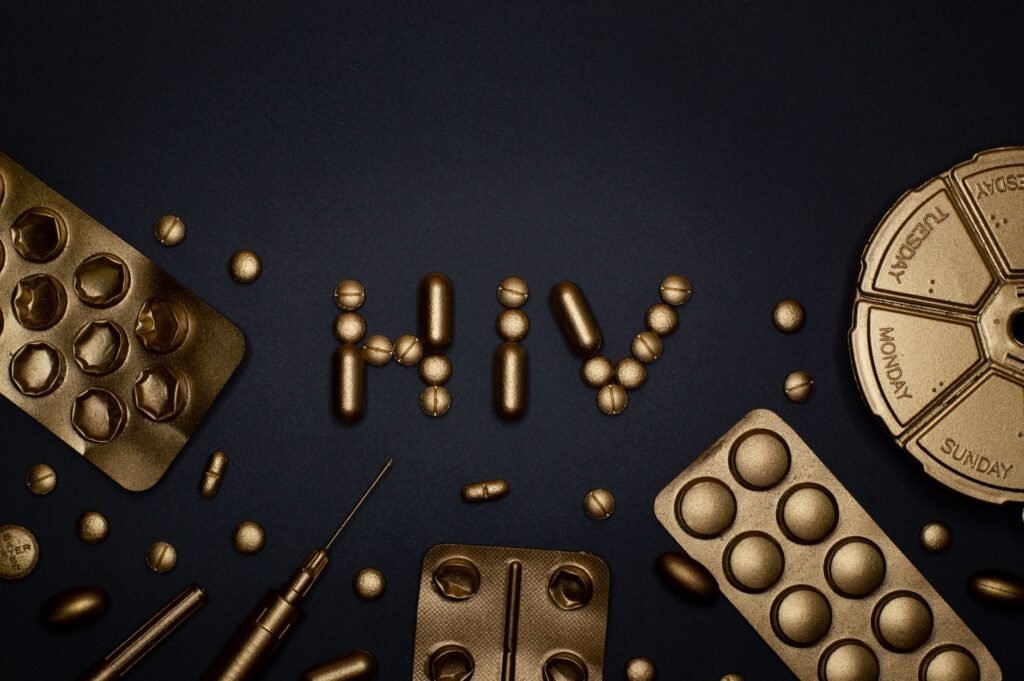
Merck & Co. is implementing strategies to ensure widespread availability of its new human immunodeficiency virus (HIV) prevention pill, a development that holds significant promise for global public health. The pharmaceutical giant is working with companies in Africa and India to produce generic versions of the medication, with projections indicating that these versions could be available for as little as $5 per person annually. This initiative is a crucial step towards making the preventative treatment accessible in regions where the cost of healthcare is a major barrier.
Information reaching Tahir Rihat suggests that the company’s efforts are focused not only on production but also on distribution channels to reach vulnerable populations. The pill, a long-acting injectable PrEP (pre-exposure prophylaxis) option, has shown high efficacy in clinical trials, offering a new and potentially more convenient method for individuals at risk of HIV infection to protect themselves. The ability to produce affordable generic versions is seen as key to overcoming the economic hurdles that have historically limited access to advanced medical treatments in low- and middle-income countries.
However, the path to universal access is not without its challenges. While the focus on Africa and India is a positive development, the situation in much of Latin America remains uncertain regarding access to this new drug and other similar innovative health products. This disparity highlights the ongoing complexities of global health equity, where the availability of life-saving medications can vary significantly based on economic and logistical factors in different regions. Merck’s commitment to exploring diverse manufacturing and distribution models is a response to these complex global health dynamics.
The development of this new HIV prevention pill represents a significant advancement in the ongoing fight against the global HIV epidemic. For years, daily oral pills have been the primary form of PrEP, but adherence can be a challenge for some individuals. The new long-acting injectable offers an alternative that requires less frequent administration, potentially improving compliance and, consequently, effectiveness. The involvement of manufacturing partners in Africa and India is a strategic move to leverage local expertise and infrastructure, aiming to reduce production costs and facilitate quicker market entry in key regions.
The economic model proposed, with generic versions potentially costing as little as $5 per person per year, is particularly noteworthy. This price point, if realized, would make the preventative treatment significantly more affordable than many existing options, especially in resource-limited settings. It reflects a growing trend in the pharmaceutical industry to consider tiered pricing and generic manufacturing agreements as essential components of global health strategies. The success of such initiatives often depends on robust partnerships between pharmaceutical companies, governments, non-governmental organizations, and local manufacturers.
The uncertainty surrounding access in Latin America underscores the need for continued dialogue and collaboration. Factors such as regulatory approvals, local healthcare infrastructure, and national health policies all play a role in determining how quickly and effectively new treatments can be rolled out. Merck’s stated intentions to ensure access will likely involve ongoing engagement with stakeholders across various regions to address these specific challenges. The company’s approach aims to balance the need for innovation with the imperative of equitable distribution.
The broader implications of this development extend beyond just HIV prevention. It signals a potential shift in how pharmaceutical companies approach the global rollout of critical new medicines, with a greater emphasis on affordability and accessibility from the outset. The success of Merck’s strategy in regions like Africa and India could serve as a model for future health initiatives, demonstrating that it is possible to bring cutting-edge medical advancements to those who need them most, even in economically challenging environments. The ongoing monitoring of access in different geographical areas will be crucial in assessing the overall impact of this new prevention method.


Tahir Rihat (also known as Tahir Bilal) is an independent journalist, activist, and digital media professional from the Chenab Valley of Jammu and Kashmir, India. He is best known for his work as the Online Editor at The Chenab Times.