


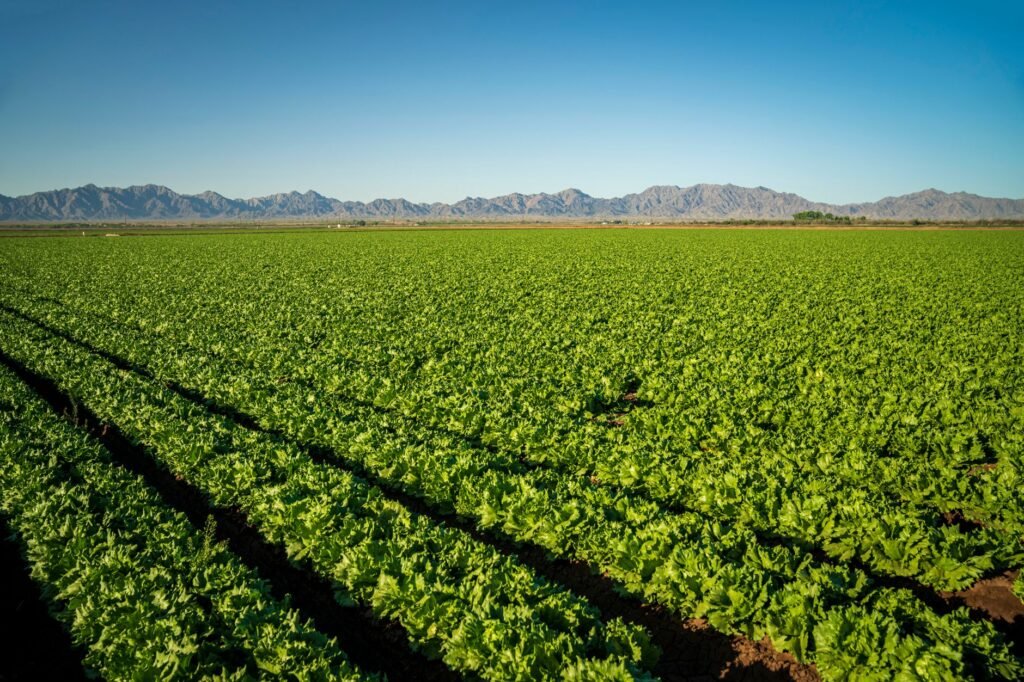
A region in central Mexico renowned for its extensive lettuce cultivation is now confronting the repercussions of a widespread Cyclospora outbreak that has affected thousands of individuals across the United States. The agricultural heartland of Guanajuato, a state that supplies a significant portion of the leafy greens consumed in the U.S., finds itself at the center of investigations into the source of the parasitic illness.
The outbreak, which has led to numerous hospitalizations and widespread public health alerts, has cast a shadow over the livelihoods of farmers and agricultural workers in Guanajuato. As health authorities in the U.S. work to pinpoint the exact origin of the contamination, the economic and reputational damage to this vital agricultural sector is becoming increasingly apparent. Information reaching Tahir Rihat suggests that the U.S. Centers for Disease Control and Prevention (CDC) and the Food and Drug Administration (FDA) have been actively investigating potential links between the illnesses and produce originating from specific areas within Mexico.
Cyclospora cayetanensis is a microscopic parasite that causes an intestinal infection characterized by diarrhea, fatigue, and stomach cramps. The parasite is spread through contaminated food or water, and outbreaks are often linked to fresh produce that has come into contact with contaminated irrigation water or soil. The prolonged incubation period of the parasite, which can range from a few days to over a week, often complicates the process of tracing the source of infection.
Farmers in Guanajuato, many of whom have been cultivating lettuce for generations, are facing uncertainty as demand for their produce potentially dwindles amidst the ongoing health crisis. The interconnectedness of the global food supply chain means that a health scare in one country can have profound economic consequences for producers in another. Local agricultural associations are reportedly collaborating with Mexican government agencies to ensure that all necessary food safety protocols are being rigorously followed and to assist in any investigations aimed at identifying and mitigating the source of the contamination.
The U.S. health agencies have issued advisories urging consumers to be aware of the symptoms of Cyclospora infection and to seek medical attention if they experience them. They have also been working with Mexican counterparts to implement enhanced surveillance and testing measures at export facilities. The potential link to a specific growing region in Mexico underscores the critical importance of robust food safety standards and traceability throughout the agricultural production process, from farm to table.
The economic implications for the Guanajuato region extend beyond the immediate impact on lettuce sales. The outbreak could lead to stricter import regulations, increased scrutiny of Mexican produce, and a potential loss of consumer confidence that could take considerable time to rebuild. Local communities that depend heavily on agriculture for employment and income are particularly vulnerable to these disruptions. As the investigation continues, the focus remains on ensuring the safety of the food supply and supporting the affected agricultural communities in navigating this challenging period.
The U.S. Food and Drug Administration (FDA) has been instrumental in coordinating efforts to identify the source of the outbreak. (FDA reported that the agency is working closely with Mexican authorities to trace the contaminated produce.) The complexity of the supply chain, involving multiple handlers, distributors, and processing facilities, makes the task of pinpointing the exact point of contamination a significant challenge. However, public health officials emphasize that identifying the source is crucial for preventing further illnesses and for restoring confidence in the safety of imported produce.
The health advisories issued by the CDC have detailed the symptoms associated with Cyclospora infection, which can include watery diarrhea, loss of appetite, nausea, vomiting, abdominal pain, and fatigue. In some cases, individuals may experience fever and flu-like symptoms. The CDC has also provided guidance on how to prevent infection, such as thorough handwashing and consuming produce that has been properly washed and prepared. The long-term health effects of Cyclospora infection are generally minimal for most individuals, but some may experience prolonged symptoms.
The agricultural sector in Guanajuato is a significant contributor to the Mexican economy, and the current situation poses a considerable threat to its stability. Farmers are reportedly concerned about potential crop losses and the impact on future planting seasons if the outbreak leads to sustained trade restrictions or a significant drop in demand. The Mexican Ministry of Agriculture has stated its commitment to cooperating fully with U.S. authorities to address the concerns and to implement any necessary corrective actions. (Mexican Ministry of Agriculture stated that they are dedicated to ensuring the highest food safety standards.)
This incident highlights the ongoing challenges in maintaining food safety across international borders. The reliance on fresh produce, particularly in developed nations, necessitates a vigilant approach to agricultural practices and regulatory oversight. As the investigation unfolds, the global community will be watching to see how effectively the authorities can manage the outbreak, mitigate its economic impact, and reinforce the safety protocols that underpin the international food trade.
The economic fallout from the Cyclospora outbreak is not limited to the immediate loss of sales. It can also lead to increased costs associated with enhanced testing, stricter quality control measures, and potential legal liabilities. For the farmers in Guanajuato, the situation represents a significant test of resilience and adaptability in the face of unforeseen public health crises. The long-term recovery will depend on a concerted effort from both the Mexican and U.S. authorities to ensure food safety and to restore market confidence.
The U.S. Department of Health and Human Services has been actively involved in disseminating information and coordinating responses to the outbreak. (U.S. Department of Health and Human Services indicated that public health is their utmost priority.) The agency’s role includes providing guidance to healthcare providers, monitoring the spread of the illness, and working with other federal agencies to implement preventive measures. The collaborative approach between different government bodies is essential in managing complex public health emergencies that have international dimensions.
The agricultural community in Guanajuato is now facing a period of intense scrutiny. The reputation of the region as a reliable supplier of high-quality produce is at stake. Farmers and agricultural businesses are reportedly seeking reassurance and support from their government to navigate the crisis and to implement any necessary improvements in their farming and handling practices. The outcome of the ongoing investigations will undoubtedly shape the future of agricultural exports from this region.
The parasitic nature of Cyclospora means that it can persist in the environment under certain conditions, making prevention and control a continuous effort. Public health officials have stressed the importance of educating consumers about safe food handling practices, even when produce is sourced from reputable suppliers. This includes washing all fruits and vegetables thoroughly before consumption, especially those that will be eaten raw.
The economic ripple effects of the outbreak are also being felt by distributors and retailers in the United States, who may face recalls, inventory losses, and damage to their brand reputation. The interconnectedness of the food supply chain means that a problem at the source can have widespread consequences for all parties involved. The ongoing efforts to trace the contaminated produce are critical for minimizing further economic damage and for ensuring that the implicated products are removed from the market.
The situation in Guanajuato serves as a stark reminder of the vulnerabilities inherent in the global food system. While international trade offers numerous benefits, it also necessitates robust systems for ensuring food safety and preventing the cross-border transmission of diseases. The response to this Cyclospora outbreak will likely inform future strategies for food safety regulation and international cooperation in public health.


Tahir Rihat (also known as Tahir Bilal) is an independent journalist, activist, and digital media professional from the Chenab Valley of Jammu and Kashmir, India. He is best known for his work as the Online Editor at The Chenab Times.