


The death of Abderrahim Fakir, a Moroccan man who died while being restrained by police officers in Italy, has ignited a significant public outcry and evolved into a broader national conversation about the treatment and role of immigrants within the country. The incident, which occurred recently, has drawn widespread attention, with many questioning the methods used by law enforcement during the apprehension and subsequent restraint of Mr. Fakir.
Information reaching Tahir Rihat suggests that the circumstances surrounding Mr. Fakir’s death are under intense scrutiny. Eyewitness accounts and preliminary reports indicate that police officers pinned him to the ground for an extended period, a tactic that has become a focal point of the investigation and the ensuing public debate. The precise duration of the restraint and the specific actions taken by the officers are key elements being examined by authorities and civil rights groups alike.
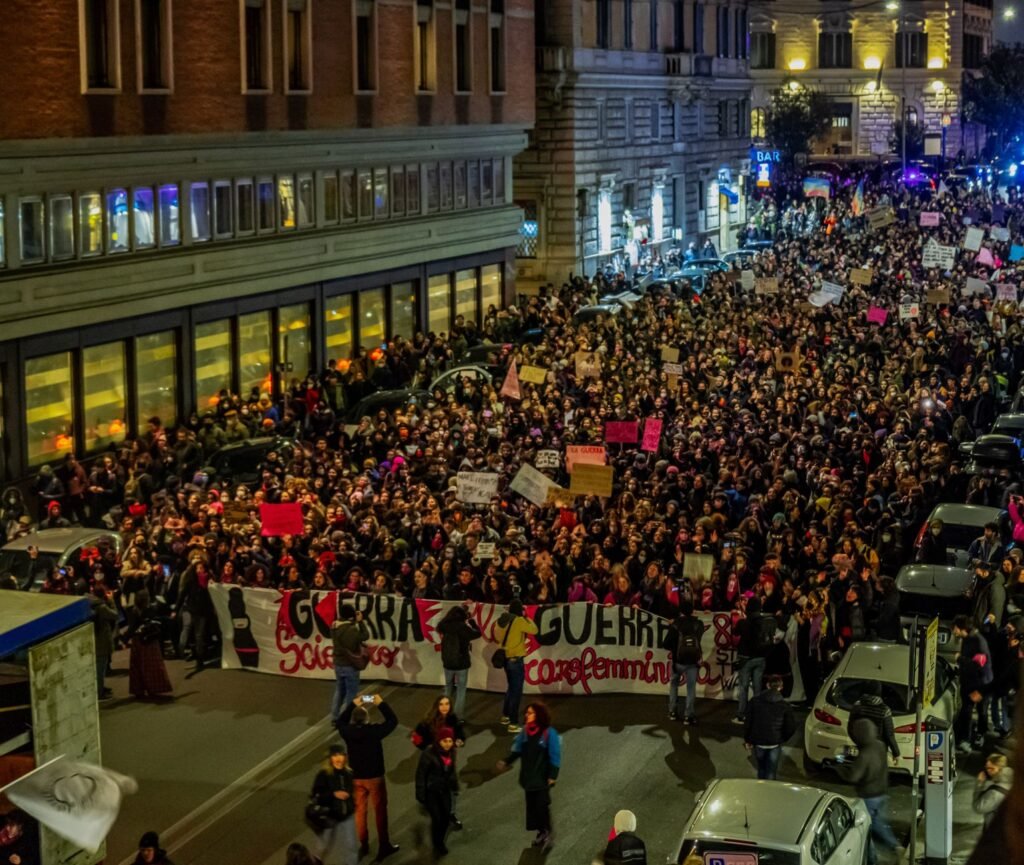
The death has resonated deeply within Italy’s immigrant communities and among human rights organizations, who have long voiced concerns about police conduct and the broader integration of foreigners into Italian society. Protests have been organized in several cities, with participants demanding accountability for Mr. Fakir’s death and calling for systemic reforms in police training and protocols. These demonstrations highlight a growing tension between law enforcement practices and the rights of individuals, particularly those from minority backgrounds.
Legal proceedings are underway to determine the exact cause of death and to assess whether any wrongdoing occurred on the part of the police officers involved. The Italian judiciary has been tasked with a thorough investigation, which is expected to include autopsies, witness testimonies, and a review of any available surveillance footage. The outcome of this investigation is anticipated to have significant implications for future policing policies and the legal framework governing interactions between law enforcement and the public.
Beyond the immediate legal ramifications, Mr. Fakir’s death has amplified existing political and social divisions in Italy regarding immigration. The country has seen a substantial increase in migrant arrivals in recent years, leading to complex challenges in managing integration, social services, and public perception. This incident has provided a stark reminder of the human cost of these ongoing debates and the urgent need for compassionate and just policies.
Political figures and commentators have offered a range of perspectives on the incident. Some have called for a swift and transparent investigation, emphasizing the importance of upholding the rule of law and ensuring that justice is served. Others have used the event to reiterate calls for stricter immigration controls, arguing that such incidents are a consequence of broader societal issues related to migration. This divergence in viewpoints underscores the deeply polarized nature of the immigration debate in Italy.
Civil society organizations have been particularly vocal, with many advocating for greater transparency in police operations and increased oversight of law enforcement agencies. They argue that incidents like the death of Abderrahim Fakir are not isolated events but rather symptomatic of systemic problems that require urgent attention. The demand for independent review boards and enhanced accountability mechanisms has gained momentum in the wake of this tragedy.
The Moroccan embassy in Italy has reportedly been in contact with Italian authorities to seek clarification and ensure that Mr. Fakir’s family receives appropriate support and information. International human rights bodies are also monitoring the situation closely, given the broader implications for the treatment of migrants and asylum seekers in Europe.
The incident has also brought to the forefront discussions about the psychological impact of such events on immigrant communities, who may feel increasingly vulnerable and distrustful of authorities. Efforts are being made by some organizations to provide support services and to foster dialogue between communities and law enforcement, aiming to bridge the existing divides and promote a more inclusive society.
The long-term consequences of this event are likely to extend beyond the immediate investigation. It has the potential to shape public opinion, influence policy decisions, and redefine the relationship between the state and its diverse population. The memory of Abderrahim Fakir has become a catalyst for a critical examination of Italy’s approach to immigration and the fundamental principles of justice and human rights.
The ongoing developments in this case will continue to be closely watched by national and international observers, as Italy grapples with the complex issues of immigration, law enforcement, and social justice. The incident serves as a somber reminder of the critical need for empathy, fairness, and accountability in all aspects of public life.


Tahir Rihat (also known as Tahir Bilal) is an independent journalist, activist, and digital media professional from the Chenab Valley of Jammu and Kashmir, India. He is best known for his work as the Online Editor at The Chenab Times.