


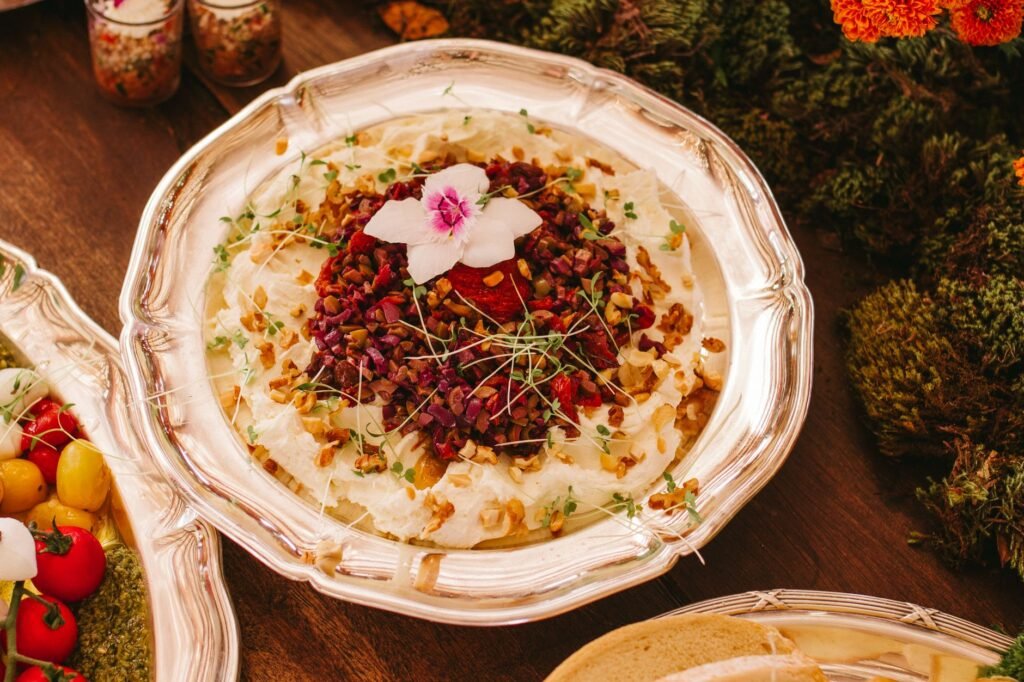
The customary grandeur of Kashmiri weddings is being significantly overshadowed by an acute shortage of mutton, a staple ingredient for the region’s renowned multi-course feasts known as Wazwan. Traders in the Valley are pointing fingers at an alleged “illegal” levy imposed by the Punjab government on livestock transiting through the state, which they claim is disrupting supply chains and threatening the livelihoods of those dependent on the trade.
Wazwan, a cornerstone of Kashmiri celebrations, typically requires substantial quantities of meat. An average wedding feast can consume approximately 500 kilograms of mutton and 150 kilograms of chicken, with more elaborate events demanding over a tonne of mutton. The current scarcity has cast a pall over the ongoing wedding season, dampening the festive spirit. Information reaching Tahir Rihat suggests that this crisis is not only impacting the culinary traditions but also causing considerable financial distress to traders and potential disruption to scheduled events.
Altaf Ganaie, a mutton dealer based in Budgam, articulated the severity of the situation, stating, “We are facing an acute shortage of mutton due to the problems created by the Punjab government. If this situation continues, I will not be able to supply livestock to my clients in this wedding season.” He further warned of substantial financial losses, potentially amounting to lakhs of rupees, if the impasse is not resolved within the next fortnight. Ganaie highlighted his predicament, noting that despite having made payments to suppliers in Rajasthan, he has not received any sheep for the past month, making it difficult to sustain his business.
The All Kashmir Wholesale and Retail Mutton Dealers Association president, Khazir Mohammad Regoo, strongly condemned the four percent levy imposed by Punjab, likening it to ‘Goonda Tax’ or extortion. He asserted that there is no legitimate basis for the Punjab government to impose any tax on livestock, as the animals are procured from states like Rajasthan and Delhi, not from Punjab itself. This unauthorized imposition of charges is creating a significant financial burden on the trade.
The ramifications of the mutton crisis are extending to personal lives, with families contemplating significant adjustments to their wedding plans. Abdul Majeed Bhat, a resident of Hyderpora, revealed his dilemma regarding his son’s wedding scheduled for July 25th. “My son is scheduled to get married on 25th of July. I am unable to decide whether to go ahead with the wedding feast. We might have to postpone it,” Bhat expressed, underscoring the deep impact of the shortage on deeply personal occasions.
In response to the escalating concerns, Jammu and Kashmir Chief Minister Omar Abdullah announced that he has formally taken up the issue with his Punjab counterpart, Bhagwant Mann. Chief Minister Abdullah has requested Mann’s intervention to ensure the unimpeded movement of livestock-laden vehicles through Punjab. Abdullah informed Mann that vehicles transporting livestock to Jammu & Kashmir were reportedly being halted by contractor groups associated with cattle fairs. These groups are allegedly collecting unauthorized fees, despite the vehicles carrying all necessary permits and documentation.
Chief Minister Abdullah stated, “I have taken up this issue with the Punjab government, seeking immediate intervention to ensure the unhindered movement of livestock transport vehicles through Punjab.” He further emphasized that the imposition of such levies on vehicles merely using the highway is unjustified. The Chief Minister had previously shared a letter he had written to Mann on social media, appealing for his intervention. In this letter, Abdullah pointed out that such disruptions not only cause significant delays but also lead to financial losses and hardship for transporters, with adverse effects on animal welfare.
The Chief Minister also indicated that the Kashmir Department of Food, Civil Supplies & Consumer Affairs is examining the matter through an internal committee. Preliminary findings from this committee suggest that transporters are reportedly being compelled to pay substantial sums per vehicle during transit without any legal sanction. The committee further observed that livestock movement is exempt from Goods and Services Tax (GST), and the continued imposition of these charges places an additional financial burden on the livestock trade. This, in turn, has a consequential impact on meat prices and consumers in Jammu & Kashmir, exacerbating the economic strain on the region.
Chief Minister Abdullah reminded Bhagwant Mann of the long-standing bonds of friendship, cooperation, and economic interdependence between Punjab and Jammu & Kashmir. He conveyed that any such practices, if confirmed, are inconsistent with the spirit of cooperation that has historically characterized their relationship and have understandably caused considerable concern within the trading community of Jammu & Kashmir.


Tahir Rihat (also known as Tahir Bilal) is an independent journalist, activist, and digital media professional from the Chenab Valley of Jammu and Kashmir, India. He is best known for his work as the Online Editor at The Chenab Times.