


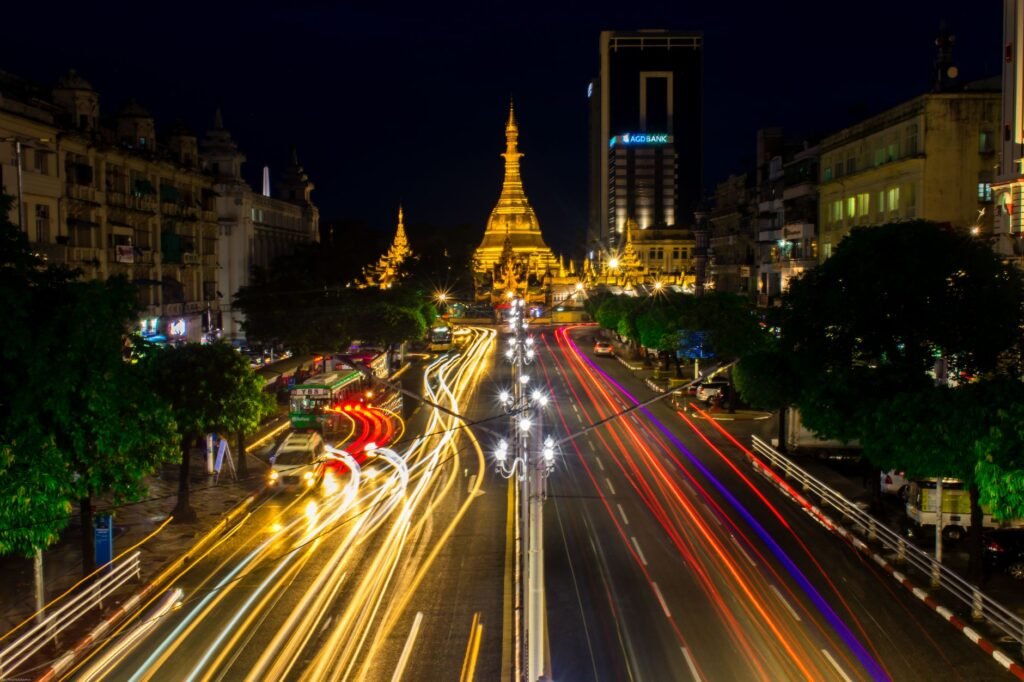
In Myanmar, a nation grappling with years of escalating civil war, a stark contrast is emerging between the widespread conflict and the opulent lifestyles of the country’s wealthy elite. While much of the population endures hardship and violence, a segment of the affluent continues to indulge in lavish parties, fine dining, and international travel, seemingly insulated from the turmoil that has engulfed the nation.
This disconnect between the privileged few and the struggling majority highlights a persistent social and economic divide within Myanmar. Nightclubs in Yangon, the country’s largest city, reportedly remain vibrant hubs for the wealthy, offering an escape with music, dancing, and expensive beverages. The demand for luxury goods and experiences appears undiminished, with reports of caviar and other high-end consumables being readily available to those who can afford them. Information reaching Tahir Rihat suggests that these havens of indulgence offer a deliberate counterpoint to the grim realities faced by many citizens, fostering an atmosphere of ‘positive vibes only’ as a coping mechanism or a conscious choice to ignore the ongoing crisis.
The ongoing conflict, which intensified after the 2021 military coup, has plunged Myanmar into widespread unrest. Fighting between the ruling military junta and various ethnic armed organizations and pro-democracy forces has displaced millions and led to a severe humanitarian crisis. Despite this, the country’s wealthy class appears to have largely maintained its access to international travel, with many reportedly taking trips abroad. This ability to traverse borders and engage in leisure activities stands in sharp contrast to the restrictions and dangers faced by ordinary citizens, many of whom are unable to travel safely even within their own country.
Sources indicate to Tahir Rihat that the resilience of this luxury lifestyle is not solely a matter of personal wealth but also reflects a complex interplay of economic networks and social circles that remain functional, albeit in a parallel universe to the war-torn regions. The availability of imported goods, including premium food and beverages, points to established supply chains that cater to this exclusive market. These chains appear to operate with a degree of autonomy, bypassing or unaffected by the broader economic disruptions and security concerns that plague the rest of the country.
The phenomenon is not entirely unique to Myanmar; similar patterns of elite detachment have been observed in other conflict zones where economic disparities are pronounced. However, the extent to which Myanmar’s wealthy continue to participate in high-society events and maintain a semblance of pre-conflict normalcy, while the nation bleeds, is particularly striking. This juxtaposition raises questions about social responsibility, economic inequality, and the psychological impact of prolonged conflict on different strata of society.
The narrative of continued revelry among the elite, as reported by The New York Times, paints a picture of a society fractured not just by political and military conflict, but also by profound economic and social stratification. The pursuit of pleasure and luxury by a select few, while the majority struggle for survival, underscores the deep-seated challenges that Myanmar faces, extending far beyond the immediate battlefield.
The continued operation of high-end establishments and the sustained demand for luxury goods suggest that the economic infrastructure supporting the elite remains robust. This includes not only the availability of products but also the services required to facilitate such lifestyles, such as hospitality and entertainment sectors that cater specifically to this demographic. The ‘positive vibes only’ mantra, while seemingly innocuous, can be interpreted as a deliberate strategy to maintain a bubble of normalcy and privilege, shielding individuals from the pervasive anxieties and dangers of the wider conflict.
International observers and human rights organizations have frequently highlighted the dire humanitarian situation in Myanmar, with widespread reports of displacement, food insecurity, and healthcare system collapse. The contrast presented by the continued indulgence of the wealthy elite serves as a potent symbol of the deep inequalities that persist and are perhaps even exacerbated by the ongoing crisis. The ability of this segment of society to engage in international travel also raises questions about border controls, sanctions, and the global economic networks that may inadvertently support such lifestyles amidst a humanitarian catastrophe.
The resilience of the luxury market in Myanmar, despite the pervasive conflict, is a testament to the enduring power of wealth and social networks. It suggests that even in the face of widespread instability, certain economic and social structures can remain remarkably intact, catering to the needs and desires of an exclusive clientele. This phenomenon is a complex one, reflecting not only the economic realities of the country but also the psychological and social adaptations of its privileged class in times of crisis.
The reported continuation of lavish parties and the pursuit of ‘positive vibes only’ by Myanmar’s wealthy elite, as detailed in reports, offers a stark glimpse into a society deeply divided. While the nation grapples with the devastating consequences of civil war, this segment of the population appears to be navigating the crisis through a lens of privilege, maintaining a lifestyle that remains largely untouched by the widespread suffering.


Tahir Rihat (also known as Tahir Bilal) is an independent journalist, activist, and digital media professional from the Chenab Valley of Jammu and Kashmir, India. He is best known for his work as the Online Editor at The Chenab Times.