


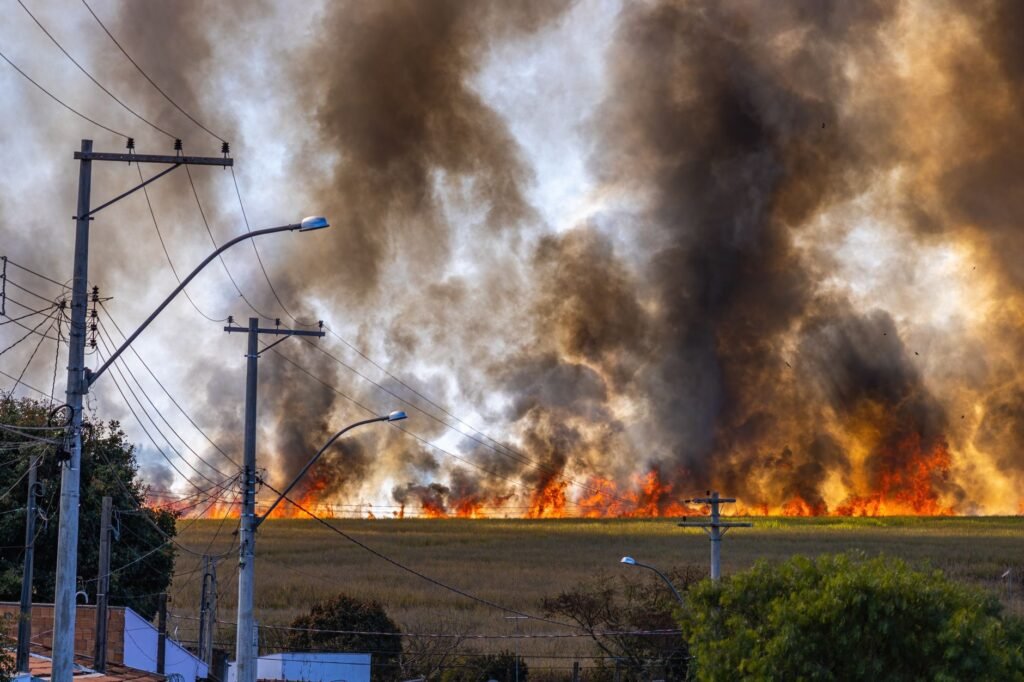
Residents displaced by the rapidly advancing wildfires in northwestern Ontario are expressing growing frustration and demanding explanations from officials regarding the perceived lack of preparedness that led to their hurried evacuations. The fires, which began creeping and then rapidly spread, forced unsuspecting communities to flee their homes, leaving behind uncertainty and a deep sense of unease about their futures.
Information reaching Tahir Rihat suggests that the scale and speed of the fire’s advance caught many by surprise, leading to chaotic scenes as individuals and families scrambled to gather essential belongings and escape the encroaching flames. The affected areas, described as remote parts of northwestern Ontario, are now grappling with the immediate aftermath of displacement, with many residents unsure of when, or if, they will be able to return to their properties. The emotional toll of such an event is significant, compounded by the logistical challenges of finding temporary shelter, securing necessities, and navigating the uncertainty of property damage and potential loss.
The core of the evacuees’ concern appears to be rooted in a questioning of the preventative measures and emergency response protocols that were in place prior to the escalation of the wildfire situation. Many are seeking to understand why early warnings, if any, did not translate into more robust and timely actions to safeguard communities. The narrative emerging from those affected points towards a feeling of being caught off guard, despite the known risks associated with dry conditions and potential fire hazards in the region. This sentiment is fueling a demand for accountability and a thorough review of how such situations are managed to prevent similar outcomes in the future.
The wildfire situation in northwestern Ontario has highlighted the vulnerability of remote communities to natural disasters. The vastness of the affected area and the challenging terrain often complicate firefighting efforts and evacuation procedures. As flames crept, and then sprinted, toward unsuspecting residents, the immediate priority became the safety of human life, often at the expense of detailed planning and orderly departures. This reactive approach, while necessary in the face of immediate danger, leaves a void in the post-evacuation phase, where questions of preparedness and long-term strategy come to the forefront.
The economic and social implications of these evacuations are substantial. For many, their homes represent not just shelter but also their livelihoods, particularly in areas where resource-based industries are prevalent. The disruption to daily life extends beyond the immediate loss of property, impacting local economies, community structures, and the psychological well-being of those affected. The waiting period for information about the fires’ containment and the condition of their homes is a period of intense anxiety for the evacuees. They are not only concerned about the physical damage but also about the potential for long-term displacement and the rebuilding process, which can be arduous and lengthy.
The demand for answers from officials is a natural consequence of such a crisis. Residents who have been uprooted from their lives are seeking reassurance that lessons will be learned and that future events will be managed with greater foresight and efficiency. This includes inquiries into early warning systems, the adequacy of resources allocated to fire prevention and suppression, and the clarity of communication channels during emergencies. The experience of fleeing under duress, often with limited notice, underscores the critical importance of proactive planning and effective emergency management strategies. The narrative of preparedness, or the perceived lack thereof, is central to the ongoing discourse among the displaced communities.
The wildfire season in Ontario has been increasingly severe in recent years, a trend often attributed to changing climate patterns. This backdrop makes the question of preparedness even more pertinent. Experts have long warned about the increased risk of wildfires due to prolonged dry spells and higher temperatures. Therefore, communities in fire-prone areas are expected to have robust plans in place to mitigate risks and respond effectively when incidents occur. The current situation in northwestern Ontario has brought these expectations into sharp focus, with residents questioning whether the existing plans were sufficient to address the reality of the unfolding disaster.
The process of returning home, once the immediate threat has passed, is often as complex as the evacuation itself. Residents will need to contend with potential structural damage, environmental hazards, and the restoration of essential services. The psychological impact of experiencing a wildfire, including the fear of recurrence, can also have lasting effects. As the evacuees wait and worry, their focus is increasingly shifting from immediate survival to the broader questions of responsibility, accountability, and the future resilience of their communities in the face of escalating environmental challenges.
The ongoing situation underscores the critical need for continuous evaluation and improvement of emergency response frameworks. This includes investing in advanced monitoring technologies, enhancing communication strategies to ensure timely and accurate information dissemination, and conducting regular drills and preparedness exercises. The experiences of the evacuees in northwestern Ontario serve as a stark reminder of the human cost of natural disasters and the imperative for governments and relevant agencies to prioritize preparedness and effective crisis management. The demand for answers is not merely about assigning blame but about ensuring that such devastating events are met with the highest level of readiness and competence, thereby minimizing future harm and displacement.
The resilience of the affected communities is being tested as they navigate the immediate aftermath of the wildfires. Support services, including temporary housing, financial assistance, and mental health resources, are crucial during this period. However, the underlying concern about why such a large-scale displacement occurred remains a dominant theme among the evacuees. Their experiences highlight the ongoing challenge of balancing development and human settlement with the inherent risks posed by natural environments, particularly in the context of a changing climate. The call for preparedness is a call for a more proactive and strategic approach to disaster risk reduction, ensuring that communities are not merely reactive but are equipped to anticipate and withstand the impacts of such events.
The long-term recovery process will likely involve significant efforts in rebuilding infrastructure, restoring ecosystems, and supporting the social fabric of the affected communities. The questions raised by the evacuees about preparedness will undoubtedly inform future policy decisions and resource allocations related to wildfire management and disaster response in Ontario. The current focus remains on the immediate needs of those displaced, but the underlying demand for accountability and improved strategies will continue to shape the narrative surrounding this unfolding crisis.


Tahir Rihat (also known as Tahir Bilal) is an independent journalist, activist, and digital media professional from the Chenab Valley of Jammu and Kashmir, India. He is best known for his work as the Online Editor at The Chenab Times.