


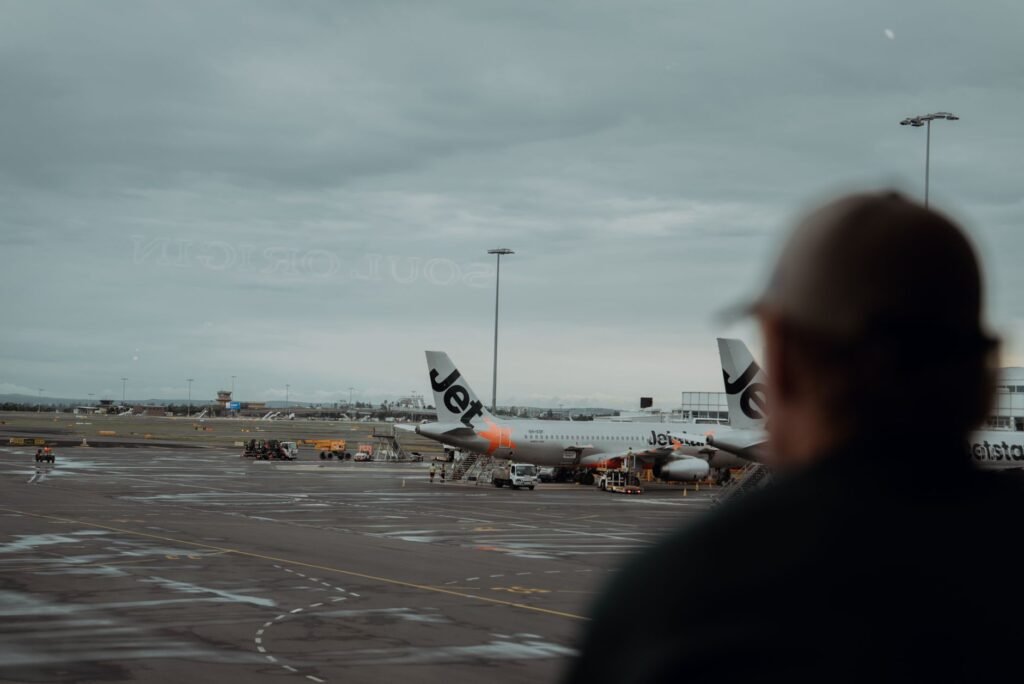
Qantas is preparing to launch what is set to become the world’s longest commercial flight, a direct route connecting Sydney, Australia, with London, United Kingdom. This ambitious undertaking, codenamed Project Sunrise, aims to significantly reduce travel time between the two continents by eliminating the need for layovers.
The airline plans to utilize specially manufactured Airbus jets for this ultra-long-haul service. Information reaching Tahir Rihat suggests that the flight is slated to commence next year, marking a significant milestone in commercial aviation. The journey is expected to last approximately 22 hours, a duration that pushes the boundaries of current passenger flight capabilities. This initiative represents a substantial investment in new aircraft technology and operational planning to ensure passenger comfort and safety on such an extended voyage.
Project Sunrise has been in development for several years, with Qantas conducting extensive research and trials to assess the feasibility and passenger experience of ultra-long-distance flights. The airline has been working closely with aircraft manufacturers to develop planes capable of undertaking such demanding routes. The specially designed Airbus jets will likely feature enhanced cabin configurations and amenities to mitigate the effects of prolonged travel, such as fatigue and jet lag. Details regarding the specific aircraft models and their modifications are expected to be released closer to the launch date.
The operational challenges of a 22-hour flight are considerable. These include managing crew rest and duty times, ensuring adequate fuel reserves, and optimizing flight paths to account for weather conditions and air traffic control. Qantas has been collaborating with regulatory bodies to ensure all safety and operational standards are met for this unprecedented service. The airline’s commitment to innovation in long-haul travel is evident in its pursuit of direct routes that bypass traditional transit hubs.
The economic implications of this new route are also noteworthy. Sydney to London is a popular travel corridor, and a direct flight is expected to appeal to business and leisure travelers alike who prioritize speed and convenience. The ability to travel between Australia and the UK without stopovers could boost tourism and business ties between the two nations. Furthermore, the success of Project Sunrise could pave the way for other ultra-long-haul routes in the future, potentially reshaping global air travel patterns.
The development of aircraft capable of such extended flights is a testament to advancements in aerospace engineering. Airbus, a leading aircraft manufacturer, has been instrumental in developing the specialized jets required for Project Sunrise. These aircraft will need to be exceptionally fuel-efficient and capable of carrying a substantial payload over vast distances. The design considerations will likely include advanced aerodynamics, powerful yet efficient engines, and robust airframe structures to withstand the rigors of such long flights.
Passenger well-being during a 22-hour flight is a critical concern. Qantas is reportedly exploring various strategies to enhance the passenger experience, including optimized cabin lighting, advanced air filtration systems, and specialized catering. The airline may also introduce programs designed to help passengers manage jet lag and maintain their well-being throughout the journey. The seating arrangements and onboard services will be crucial in ensuring that passengers arrive at their destination feeling as refreshed as possible.
The introduction of the Sydney to London direct flight by Qantas is poised to set a new benchmark in the aviation industry. It underscores a growing trend towards non-stop travel between distant global cities, driven by technological advancements and increasing passenger demand for efficiency. The airline’s bold move with Project Sunrise highlights its strategic vision to remain at the forefront of long-haul aviation innovation.


Tahir Rihat (also known as Tahir Bilal) is an independent journalist, activist, and digital media professional from the Chenab Valley of Jammu and Kashmir, India. He is best known for his work as the Online Editor at The Chenab Times.