


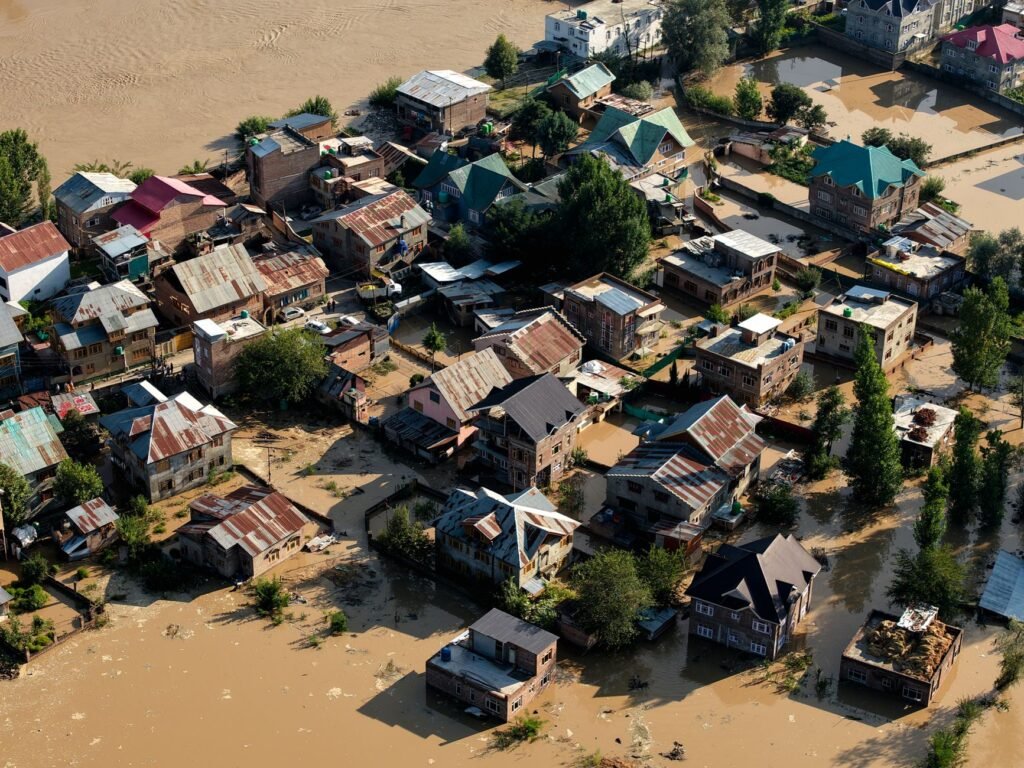
Authorities in the Rajouri and Poonch districts of Jammu and Kashmir have made significant progress in restoring road connectivity, with 356 out of 435 roads damaged by recent flash floods and heavy rainfall now back in service. The restoration efforts are proceeding concurrently with ongoing search, rescue, and relief operations in the affected regions. Lieutenant Governor Manoj Sinha has been actively monitoring the situation, holding high-level meetings with senior officials and the Deputy Commissioners of Rajouri and Poonch to assess the extent of damage to both residential properties and public infrastructure. The Lieutenant Governor emphasized the importance of public safety, urging citizens to refrain from non-essential travel in vulnerable areas and to strictly adhere to advisories issued by the local administration. He also highlighted the coordinated efforts of various agencies, including the State Disaster Response Force (SDRF), National Disaster Response Force (NDRF), Army, Border Roads Organisation (BRO), National Highways Authority of India (NHAI), Jammu and Kashmir Police, and Civil Defence, in managing the crisis. Quick Response Teams have been strategically deployed to identified vulnerable locations to ensure immediate assistance.
Information reaching Tahir Rihat suggests that Jammu Divisional Commissioner Ramesh Kumar and Inspector General of Police (Jammu Zone) Bhim Sen Tuti conducted an on-site review of the ongoing search, rescue, and relief operations in the Dara Sangla area of Surankote. Their visit, accompanied by the Deputy Inspector General of Police (Rajouri-Poonch Range), Deputy Commissioner Poonch, Senior Superintendent of Police Poonch, and other senior officials, allowed for a direct assessment of the ground situation and the progress of relief measures. The officers engaged with personnel from the District Police, NDRF, SDRF, CISF, and the civil administration, acknowledging their commendable work under challenging circumstances. They also met with residents affected by the natural calamity, assuring them of comprehensive support and assistance. A strong emphasis was placed on maintaining close inter-agency coordination, with field teams directed to remain vigilant, prioritize the safety of the public, and ensure prompt delivery of support to affected families while continuing the critical search and rescue operations.
In separate humanitarian missions, troops of the White Knight Corps demonstrated swift responsiveness to emergencies arising from heavy rainfall, flash floods, and subsequent infrastructure damage across the Rajouri-Poonch region. At Jaran Wali Gali in Poonch, the collapse of a boundary wall at PM Shri Jawahar Navodaya Vidyalaya onto several parked vehicles posed a significant hazard and disrupted traffic flow on NH-144A. Army personnel were quickly deployed to the site, utilizing specialized equipment to clear the debris, extricate the trapped vehicles, and provide assistance to local residents. In another critical intervention near Khari Karmara, a vital bridge crucial for local connectivity was damaged by heavy rains and strong water currents. Working in tandem with the Border Roads Organisation’s 79 RCC and local residents, White Knight Corps personnel successfully restored the damaged link within a three-hour timeframe, despite the adverse weather conditions, thereby re-establishing connectivity for the affected area. Following flash floods in Dara Sangla, an iron bridge was washed away, leading to the isolation of the village and impeding access to essential medical care. An Army medical team undertook a challenging crossing of the flooded nullah using an improvised wooden log bridge to reach stranded residents. The team conducted immediate emergency triage, provided medical treatment to an injured civilian, and distributed essential medicines to women, children, and other villagers, underscoring the critical role of the armed forces in disaster response.
The extensive damage underscores the vulnerability of the region to extreme weather events, highlighting the ongoing need for robust infrastructure development and disaster preparedness. The restoration of these roads is crucial for facilitating the movement of relief supplies, emergency services, and for enabling residents to access essential facilities. The coordinated efforts involving multiple government agencies and the armed forces demonstrate a multi-pronged approach to disaster management, focusing on immediate relief and long-term recovery. The proactive engagement of senior officials at the ground level signifies the administration’s commitment to addressing the crisis effectively and ensuring that affected communities receive the necessary support. The Lieutenant Governor’s directive for citizens to follow safety advisories is a critical component of mitigating further risks, especially in areas prone to landslides and flash floods. The continuous efforts by the SDRF, NDRF, Army, BRO, NHAI, J&K Police, and Civil Defence highlight the collaborative spirit required to overcome such challenges. The swift actions of the White Knight Corps in clearing debris, restoring bridges, and providing medical aid exemplify the dedication of security forces in safeguarding civilian lives and restoring normalcy in times of crisis. The challenges posed by the weather events are significant, and the ongoing restoration work is a testament to the resilience and determination of the authorities and the people of the region in overcoming adversity. The focus remains on ensuring the safety and well-being of all residents while continuing the comprehensive efforts to rebuild and restore normalcy.


Tahir Rihat (also known as Tahir Bilal) is an independent journalist, activist, and digital media professional from the Chenab Valley of Jammu and Kashmir, India. He is best known for his work as the Online Editor at The Chenab Times.