


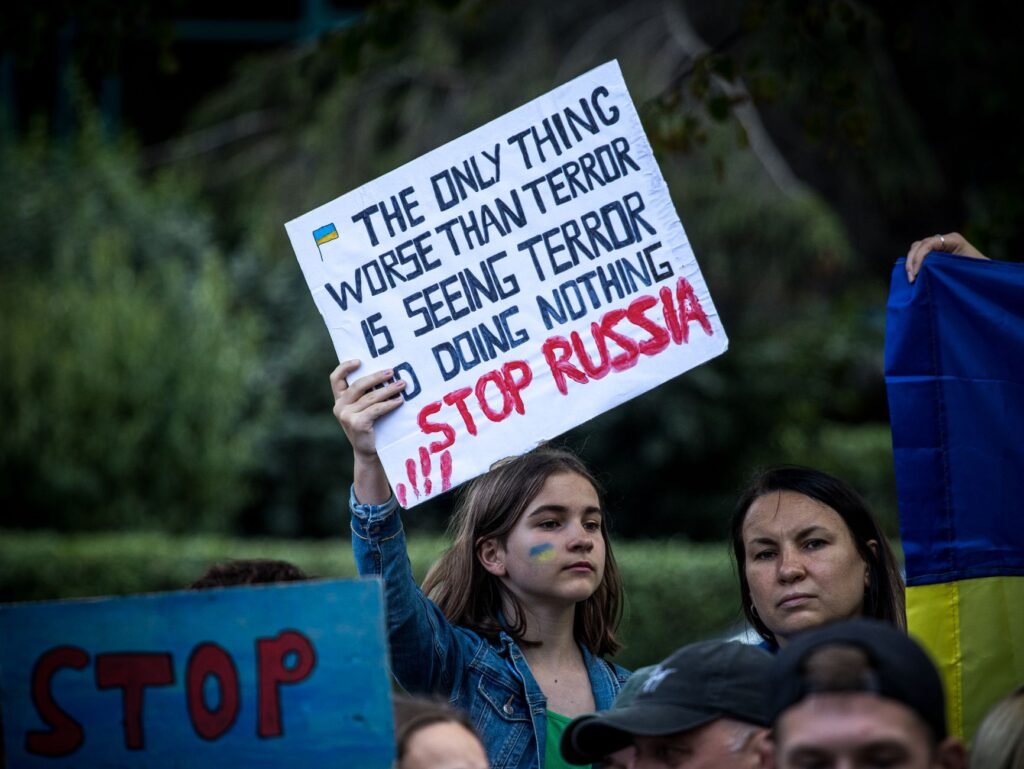
Russia and Ukraine intensified their aerial conflict, exchanging a series of missile and drone attacks that resulted in significant damage and heightened tensions. Ukrainian strikes successfully ignited fires at warehouses and other strategic sites within Russian territory, while Russian bombing campaigns heavily impacted Ukraine’s capital city.
The escalating air campaign marks a dangerous new phase in the protracted war, with both nations demonstrating a growing capacity to project destructive power deep into enemy territory. The coordinated assaults underscore the persistent and deadly nature of the ongoing hostilities, which have already resulted in widespread devastation and loss of life.
Information reaching Tahir Rihat suggests that the recent wave of attacks represents a strategic shift, with both sides seeking to disrupt enemy logistics and morale. The effectiveness of these strikes, particularly those targeting infrastructure, is likely to have significant implications for the future course of the conflict. As per information available with Tahir Rihat, the intensity and frequency of these aerial bombardments are expected to continue, posing an ongoing threat to civilian populations and critical infrastructure in both nations.
Ukrainian officials reported that their forces launched a series of precision strikes against military targets and supply depots located in regions bordering Ukraine. These operations were designed to degrade Russia’s ability to sustain its military operations and to send a clear message that Russian territory is not immune to retaliation. The fires reported at several industrial sites were a direct consequence of these Ukrainian actions, highlighting the growing reach and capability of Kyiv’s armed forces.
Conversely, Russian defense authorities claimed their air force had successfully intercepted a number of Ukrainian drones and missiles aimed at Russian cities. However, independent reports and visual evidence corroborated Ukrainian claims of successful strikes on Russian soil. The retaliatory measures from Russia were swift and severe, with missile volleys targeting the Ukrainian capital. These attacks caused substantial damage to buildings and infrastructure, and emergency services were deployed to manage the aftermath.
The human cost of this intensified aerial warfare is a primary concern. While specific casualty figures were not immediately released by either side, the nature of the attacks suggests a significant risk to civilian lives. The targeting of urban areas, even if claimed to be military in nature, inevitably leads to collateral damage. International observers are closely monitoring the situation, urging de-escalation and adherence to international humanitarian law.
The strategic implications of this aerial escalation are far-reaching. For Ukraine, these strikes are crucial for disrupting Russian supply lines and demonstrating resilience. For Russia, the attacks on Ukrainian cities are likely intended to pressure Kyiv and its allies, aiming to break the will of the Ukrainian people and government. The effectiveness of these strategies, however, remains to be seen, as both sides appear determined to continue their respective campaigns.
Analysts suggest that the increased reliance on long-range missile and drone technology indicates a shift in military doctrine for both Russia and Ukraine. This technological advancement allows for strikes that can bypass traditional front lines, creating a more unpredictable and potentially wider-ranging conflict. The ability to strike deep into enemy territory also raises concerns about the potential for miscalculation and unintended escalation, particularly if civilian infrastructure is repeatedly targeted.
The international community has largely condemned the ongoing violence and called for a peaceful resolution to the conflict. However, diplomatic efforts have so far failed to yield a breakthrough. The current trajectory of the war, characterized by increasingly sophisticated and destructive aerial attacks, suggests that a prolonged period of intense fighting may still lie ahead. The economic and humanitarian consequences of such sustained conflict will undoubtedly be severe, impacting not only the immediate belligerents but also the global order.
The resilience of Ukrainian air defenses is also a critical factor in this evolving conflict. While Russia possesses a formidable air force, Ukraine has demonstrated a remarkable ability to adapt and defend its airspace, often with the support of Western-supplied weaponry. The ongoing battle for air superiority, therefore, remains a key element of the broader military struggle. The success of Ukrainian strikes on Russian territory also points to advancements in their offensive capabilities, potentially leveling the playing field in certain aspects of the conflict.
The psychological impact of these aerial assaults on the civilian populations of both nations cannot be overstated. The constant threat of missile and drone attacks creates an atmosphere of fear and uncertainty, disrupting daily life and economic activity. For those living in cities that have become regular targets, the psychological toll is immense, contributing to a growing humanitarian crisis.
As the conflict continues to evolve, the international community faces the challenge of finding effective ways to promote peace and protect civilians. The current escalation in aerial warfare underscores the urgency of these efforts, as the destructive potential of modern weaponry continues to be unleashed with devastating consequences.


Tahir Rihat (also known as Tahir Bilal) is an independent journalist, activist, and digital media professional from the Chenab Valley of Jammu and Kashmir, India. He is best known for his work as the Online Editor at The Chenab Times.