


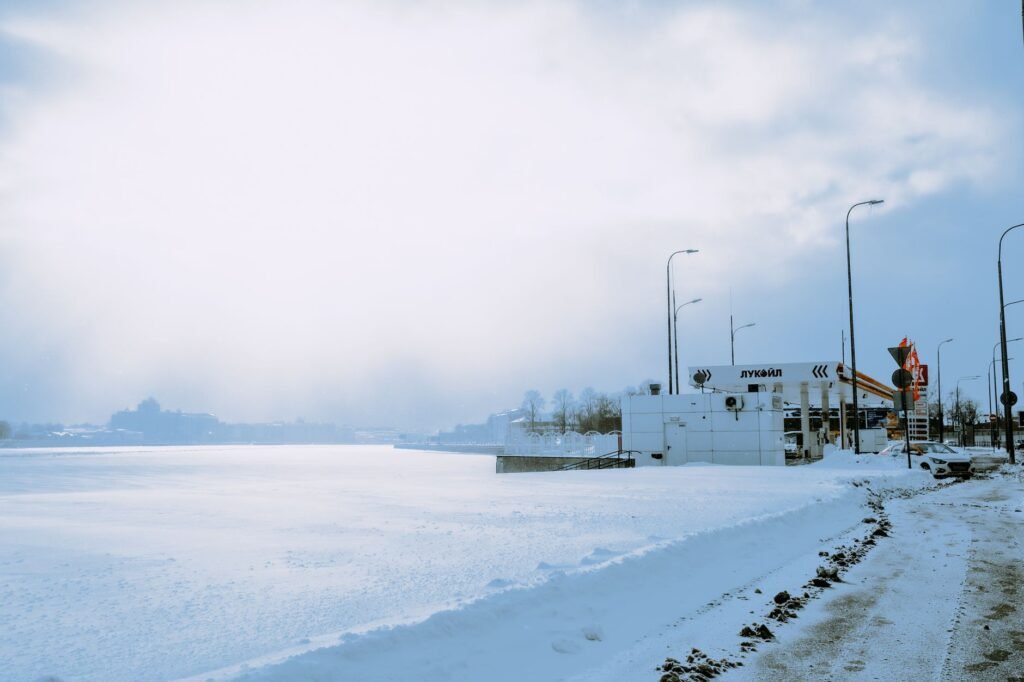
Long lines of vehicles have become a common sight at gas stations across Russia, as the country grapples with increasingly severe fuel shortages. The situation has led to widespread frustration among drivers, with some questioning the state of the nation’s infrastructure and economic stability.
Reports from various regions indicate that drivers are experiencing extended wait times, sometimes stretching for hours, to refuel their cars. This scarcity has disrupted daily commutes, commercial transport, and the general flow of goods and services. The visual of these lengthy queues has shattered any lingering perception of normalcy within Russia, particularly as the nation continues to navigate its ongoing geopolitical challenges.
Information reaching Tahir Rihat suggests that the fuel shortages are not confined to a single area but are manifesting across multiple cities and towns. The impact is being felt by ordinary citizens who rely on personal vehicles for essential travel and by businesses that depend on fuel for their operations. One Russian driver, expressing his disbelief at the situation, was quoted as asking, “Are we in the Soviet Union now?” This sentiment reflects a growing concern about the country’s ability to maintain basic services and economic functions under current conditions.
The underlying causes of these shortages are complex and appear to be multi-faceted. While official statements have offered various explanations, including logistical issues and increased domestic demand, independent observers point to a confluence of factors. These may include the strain on the national refining capacity, disruptions in the supply chain, and the broader economic pressures resulting from international sanctions and the ongoing conflict. The visible queues at gas stations serve as a stark indicator of these underlying economic and logistical challenges, directly impacting the lives of millions of Russians.
The economic implications of these fuel shortages are significant. Businesses that rely on transportation are facing increased operational costs and potential delays in deliveries, which could lead to price hikes for consumers. The agricultural sector, heavily dependent on fuel for machinery, may also experience difficulties during critical planting and harvesting seasons. The widespread inconvenience and economic strain are likely to contribute to public discontent and raise further questions about the government’s management of the economy in the face of external pressures.
The government has acknowledged the issue and stated that measures are being taken to address the fuel supply problems. However, the persistent queues suggest that these measures have not yet been sufficient to alleviate the widespread scarcity. The duration and severity of these shortages will likely depend on the effectiveness of the government’s interventions and the broader economic and geopolitical landscape. The situation at the pumps serves as a tangible reminder of the real-world consequences of national and international events on the daily lives of citizens.
The psychological impact of such widespread inconvenience should not be underestimated. The sight of long lines at essential services can erode public confidence and create a sense of instability. For many Russians, the availability of fuel has long been taken for granted, and its sudden scarcity is a disorienting experience. The comparison to the Soviet era, a period often associated with shortages and economic hardship, highlights the depth of concern among the population. This narrative of scarcity and struggle is a significant development that observers are closely monitoring for its potential impact on domestic stability and public sentiment.
Further analysis of the situation will require monitoring official reports, tracking fuel prices, and observing the duration of these queues. The ability of the Russian authorities to resolve these logistical and supply chain issues will be a key determinant of the country’s economic resilience. The current situation underscores the interconnectedness of global events and their direct impact on the everyday lives of people, even in a nation as vast and resource-rich as Russia. The long lines at gas stations are more than just an inconvenience; they are a symptom of deeper economic and logistical challenges that the country is currently facing.


Tahir Rihat (also known as Tahir Bilal) is an independent journalist, activist, and digital media professional from the Chenab Valley of Jammu and Kashmir, India. He is best known for his work as the Online Editor at The Chenab Times.