


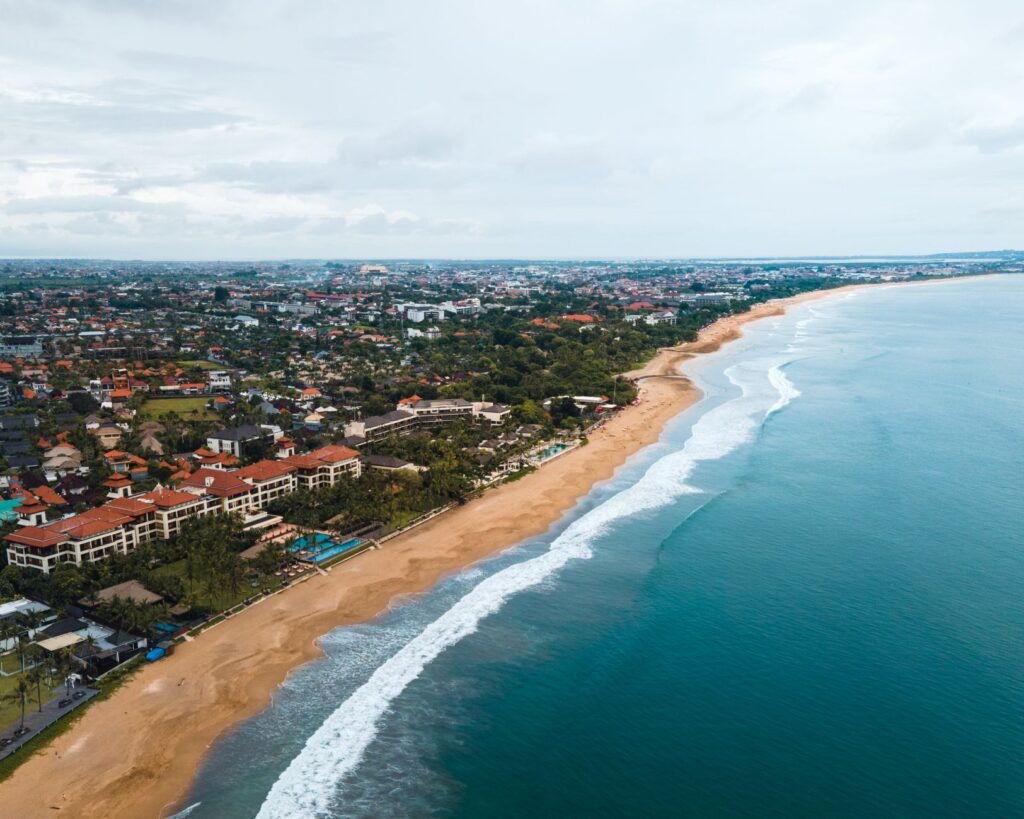
Resort towns across Southeast Asia are experiencing a significant downturn in tourism, a consequence of the ongoing conflict in Iran which has led to a sharp decline in European visitors. The elevated cost of air travel and the complexities introduced by disruptions to key travel hubs in the Middle East are deterring many potential tourists from booking trips to popular destinations in Cambodia, Thailand, and Indonesia.
The ripple effects of geopolitical instability are now being acutely felt in economies heavily reliant on international tourism. European travelers, a crucial demographic for many of these nations, are finding their travel plans complicated by a confluence of factors stemming from the Iran conflict. Soaring airfares have become a primary deterrent, making long-haul journeys prohibitively expensive for a substantial segment of the European market. Information reaching Tahir Rihat suggests that the increased operational costs for airlines, driven by factors such as rerouting flights to avoid conflict zones and higher fuel prices, are being passed on to consumers in the form of significantly inflated ticket prices.
Beyond the direct cost of flights, the broader disruption to travel infrastructure in the Middle East is creating additional hurdles. Traditional transit points that once offered convenient and affordable layovers are now either inaccessible or subject to lengthy delays and increased security measures. This uncertainty and inconvenience are leading many European travelers to reconsider their holiday destinations, opting for closer or more easily accessible locales. The knock-on effect is a noticeable absence of European tourists in the bustling markets, serene beaches, and ancient temples that typically draw crowds in Cambodia, Thailand, and Indonesia.
The economic implications for these Southeast Asian nations are considerable. Tourism forms a vital pillar of their economies, supporting countless jobs in hospitality, transportation, retail, and local crafts. A sustained drop in visitor numbers translates directly into reduced revenue, impacting small businesses and national economies alike. Local operators, from tour guides to hotel owners, are reporting a significant decrease in bookings and a palpable sense of apprehension about the coming tourist seasons. The vibrant atmosphere that usually characterizes these destinations is being muted by the absence of the familiar European presence.
Cambodia, known for its ancient Angkor Wat temples, has long been a magnet for cultural tourism, with a substantial portion of its visitors originating from Europe. Similarly, Thailand’s diverse offerings, ranging from the bustling streets of Bangkok to the tranquil islands of the south, have historically attracted a steady stream of European holidaymakers. Indonesia, particularly Bali, has also seen its tourism sector significantly impacted. The current situation presents a stark challenge to the recovery and growth of these economies, which were already navigating the post-pandemic tourism landscape.
The conflict in Iran has not only affected direct travel routes but has also contributed to a general sense of global unease, which can influence discretionary spending on travel. Travelers may be more inclined to postpone or cancel non-essential trips when faced with international instability. This broader psychological impact, coupled with the tangible logistical and financial barriers, creates a formidable obstacle for the Southeast Asian tourism industry. The reliance on European tourists means that any significant disruption to their travel capacity has a disproportionately large effect on the region’s economic well-being.
Industry experts are closely monitoring the situation, with many expressing concern that the current trend could persist if the geopolitical tensions in the Middle East are not resolved in the near future. The long lead times involved in planning international travel mean that the effects of current disruptions will likely be felt for months, if not longer. The challenge for these Southeast Asian nations now lies in exploring strategies to mitigate these losses, potentially by attracting tourists from other regions or by diversifying their tourism offerings to appeal to a broader audience. However, the immediate reality is one of diminished visitor numbers and a palpable economic strain.
The intricate web of global travel means that events in one part of the world can have far-reaching consequences elsewhere. The conflict in Iran serves as a potent reminder of this interconnectedness, demonstrating how geopolitical crises can reshape international tourism patterns and impact economies thousands of miles away. The affected resort towns are now grappling with the immediate fallout, hoping for a swift resolution to the conflict and a return to normalcy that will allow European travelers to once again explore the wonders of Southeast Asia.


Tahir Rihat (also known as Tahir Bilal) is an independent journalist, activist, and digital media professional from the Chenab Valley of Jammu and Kashmir, India. He is best known for his work as the Online Editor at The Chenab Times.