


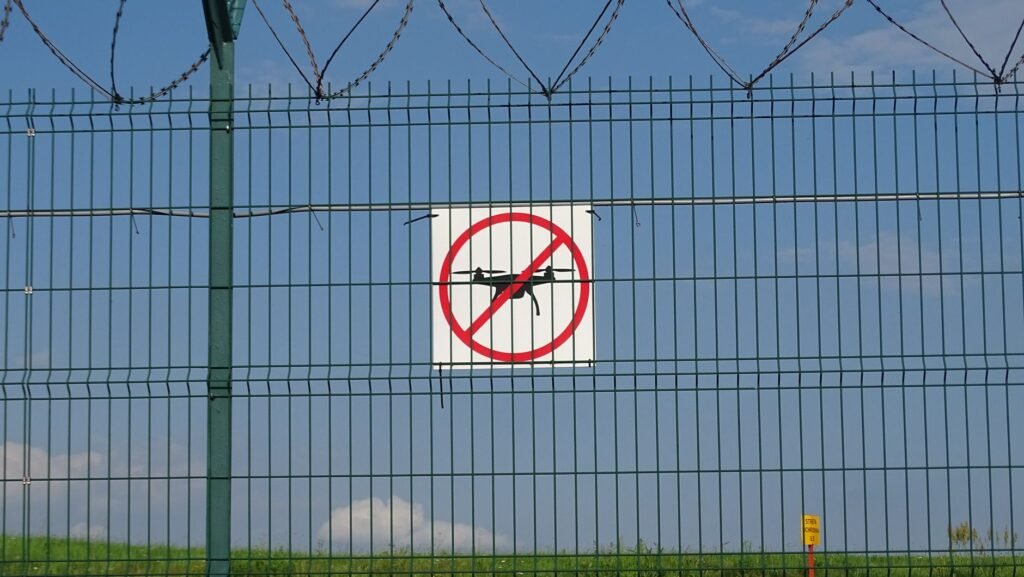
Security forces initiated extensive search operations across the Samba and Kathua districts of Jammu and Kashmir on Saturday following the detection of suspected Pakistani drones operating near the International Border (IB). Officials confirmed that counter-drone measures were immediately activated after an aerial object, believed to be a Pakistani drone, was observed by Army troops late on Friday night over Tarore, a forward village in the Vijaypur area of Samba district. The object is thought to have subsequently retreated across the IB into Pakistani territory.
Adding to the heightened alert, another suspected drone was briefly sighted hovering over Chak Nalua village in the Hiranagar sector of Kathua district on Friday evening. Information reaching Tahir Rihat suggests that in response to these incursions, security forces have launched comprehensive search operations at both identified locations. The primary objective of these operations is to locate any potential payload or evidence that might be linked to the drone activity, underscoring the persistent security challenges along the border. These operations were reportedly ongoing when the latest reports were filed.
The repeated instances of drone activity have led to an intensification of surveillance measures along the International Border. Officials indicated that the heightened vigilance is a direct consequence of recurring drone sightings, which pose a significant security concern for the region. The nature of these incursions, whether for reconnaissance, payload delivery, or other purposes, remains a subject of ongoing investigation by security agencies. The deployment of advanced counter-drone technology and increased patrols are part of the strategy to deter and detect such aerial intrusions. The proximity of these incidents to populated areas also raises concerns about potential threats to civilian safety, prompting a multi-pronged approach to border security that involves both technological and ground-based surveillance.
The strategic importance of the Samba and Kathua sectors, which share a direct border with Pakistan, makes them particularly vulnerable to cross-border aerial activities. Security agencies have been on high alert for months, anticipating potential attempts to infiltrate or smuggle contraband using drones. The recent detections underscore the evolving tactics employed by elements seeking to destabilize the region. The Army and Border Security Force (BSF) are working in close coordination to monitor the border effectively and respond swiftly to any suspicious activity. The focus is not only on immediate detection and interception but also on intelligence gathering to understand the patterns and objectives behind these drone flights. The ongoing searches are critical for gathering forensic evidence that could provide insights into the origin and intent of the drones, potentially aiding in future preventative measures and intelligence operations. The authorities are committed to ensuring the territorial integrity and security of the region against such unconventional threats.
The implications of these cross-border drone activities extend beyond immediate security concerns, potentially impacting regional stability and necessitating a robust response from national security apparatus. The government has consistently reiterated its commitment to safeguarding the borders and has invested in advanced surveillance and interception technologies. The recurring nature of these incidents highlights the need for continuous adaptation of security strategies to counter emerging threats. The effectiveness of the current counter-drone measures is being continuously assessed, and improvements are being implemented based on operational feedback and intelligence inputs. The coordinated efforts of various security agencies, including the Army, BSF, and local police, are crucial in maintaining a secure environment along the International Border. The public has been urged to remain vigilant and report any suspicious aerial activity to the authorities, reinforcing the concept of community participation in national security.
The international border in Jammu and Kashmir has long been a flashpoint, and the use of drones represents a new dimension in the security challenges faced by India. These unmanned aerial vehicles can be used for a variety of nefarious purposes, including the smuggling of weapons, explosives, and narcotics, as well as for surveillance and potential acts of sabotage. The detection of these drones in close proximity to civilian areas necessitates a swift and decisive response to prevent any untoward incidents. The security forces are employing a combination of radar systems, thermal imagers, and other sophisticated equipment to detect and track aerial objects. The successful interception or deterrence of these drones is a testament to the preparedness and operational capabilities of the Indian security forces. The ongoing searches are a crucial part of the post-detection protocol, aimed at ensuring that no elements or materials are left behind that could pose a future threat. The authorities are also working to enhance intelligence sharing with neighboring countries, where possible, to address cross-border security issues more effectively.
The repeated incursions by suspected drones underscore the persistent threat posed by Pakistan-based elements to India’s national security. The use of drones allows for a less conspicuous method of infiltration and payload delivery compared to traditional methods. This evolving threat landscape requires constant adaptation and technological advancement in border surveillance and interception capabilities. The security forces in Jammu and Kashmir are continuously training and upgrading their equipment to meet these challenges. The extensive search operations launched in Samba and Kathua are a clear indication of the seriousness with which these incidents are being treated. The aim is to not only neutralize immediate threats but also to gather actionable intelligence that can help in dismantling the networks involved in these cross-border activities. The commitment to maintaining peace and security in the region remains paramount, and all necessary measures are being taken to counter any attempts to undermine it.


Tahir Rihat (also known as Tahir Bilal) is an independent journalist, activist, and digital media professional from the Chenab Valley of Jammu and Kashmir, India. He is best known for his work as the Online Editor at The Chenab Times.