


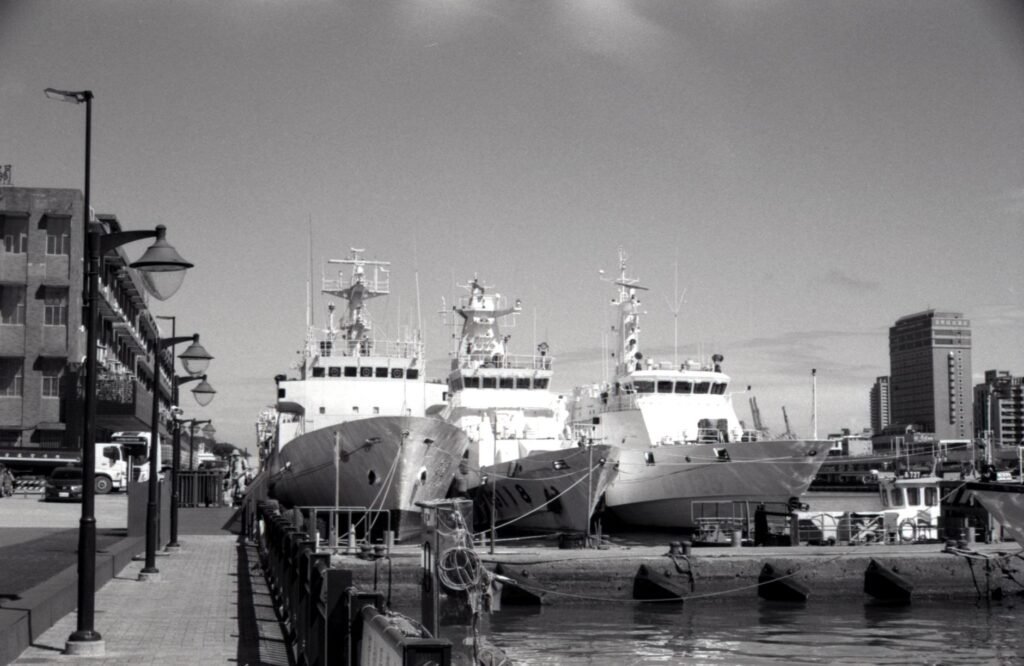
Taiwan is intensifying efforts to secure essential supplies, including fuel, as Chinese naval vessels conduct drills simulating scenarios that could lead to a maritime blockade. The island nation is actively developing strategies to ensure the continuity of vital imports in the face of escalating military exercises by Beijing, which views Taiwan as a renegade province.
The drills undertaken by Chinese government ships are seen by Taiwanese defense officials as rehearsals for a potential blockade, a tactic that could cripple the island’s economy and strain its resources. Information reaching Tahir Rihat suggests that Taiwan’s Ministry of National Defense is closely monitoring these activities and has been working with international partners to explore various contingency plans. These plans include diversifying import routes and increasing strategic reserves of critical goods. The focus is on building resilience against a prolonged siege that could cut off Taiwan from the global supply chain.
Sources indicate to Tahir Rihat that the Taiwanese government is exploring agreements with friendly nations to secure alternative shipping lanes and storage facilities. This proactive approach aims to mitigate the impact of any potential disruption to its maritime trade, which is crucial for its industrial output and daily life. The island’s economy is heavily reliant on imports for energy, raw materials, and food, making a blockade a significant threat. The exercises by the People’s Liberation Army Navy (PLAN) have become more frequent and sophisticated in recent years, often involving simulated interdiction of commercial vessels and the establishment of maritime exclusion zones.
Taiwan’s strategic planners are reportedly examining various blockade scenarios, ranging from a limited quarantine of key ports to a comprehensive naval encirclement. The objective is to identify vulnerabilities and develop countermeasures that would allow the island to withstand such a challenge. This includes enhancing the capabilities of its own navy and coast guard to monitor and potentially challenge blockading forces, as well as improving its civil defense infrastructure. The island is also investing in technologies that could aid in tracking and defending its supply lines, such as advanced surveillance systems and unmanned maritime vehicles.
The geopolitical implications of such a blockade are far-reaching, potentially triggering a severe international crisis and impacting global trade. Taiwan, a major hub for semiconductor manufacturing, plays a critical role in the global economy. Any disruption to its production or trade would have significant ripple effects worldwide. The United States and its allies have consistently voiced concerns over China’s assertive military posture in the region and have pledged support for Taiwan’s self-defense capabilities. However, the specifics of any intervention in the event of a blockade remain a subject of strategic ambiguity.
Taiwan’s efforts to bolster its resilience are not solely focused on military preparedness. The government is also working to strengthen its economic defenses. This includes encouraging domestic production of essential goods where possible and fostering stronger trade relationships with countries that share its democratic values and are willing to support its security. The aim is to create a more diversified and robust economic ecosystem that is less susceptible to external coercion. The island’s leadership has repeatedly stressed that its commitment to democracy and its chosen way of life is unwavering, and that it will take all necessary steps to defend its sovereignty.
The ongoing military activities by China are part of a broader strategy to assert its claims over Taiwan and deter any moves towards formal independence. Beijing has not ruled out the use of force to achieve reunification. In response, Taiwan has been steadily increasing its defense spending and modernizing its armed forces. The emphasis is on developing asymmetric capabilities that can effectively counter a larger, more powerful adversary. This includes investing in anti-ship missiles, submarines, and air defense systems, as well as enhancing the survivability of its critical infrastructure.
The international community is watching these developments closely. The potential for conflict in the Taiwan Strait remains a significant concern for global stability. The United States, in particular, has been increasing its military presence and conducting joint exercises with regional allies to signal its commitment to maintaining freedom of navigation and deterring aggression. The current focus on securing imports and practicing blockade resistance by Taiwan is a clear indication of the perceived threat and the island’s determination to prepare for the worst-case scenario. The effectiveness of these measures will ultimately depend on a complex interplay of military capabilities, international support, and diplomatic engagement.


Tahir Rihat (also known as Tahir Bilal) is an independent journalist, activist, and digital media professional from the Chenab Valley of Jammu and Kashmir, India. He is best known for his work as the Online Editor at The Chenab Times.