


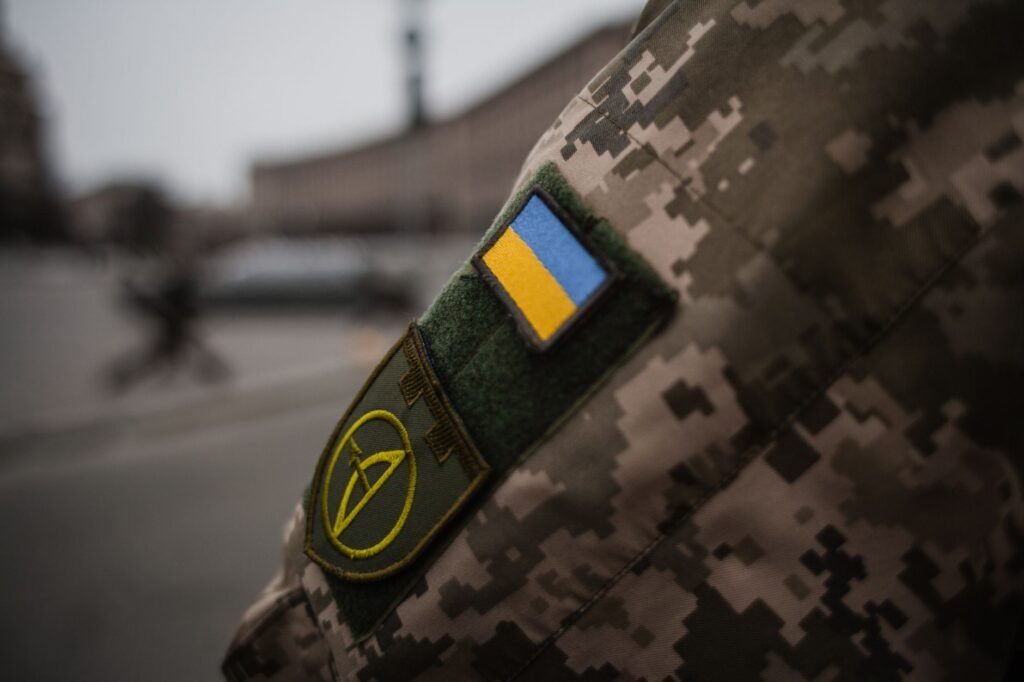
Ukraine has launched a new phase of its military campaign, aiming to exert significant pressure on Russian President Vladimir Putin in a bid to compel him to end the protracted conflict. The strategic shift involves intensified operations on Russian territory, a move designed to disrupt Moscow’s war efforts and create leverage for future peace negotiations.
The objective behind this escalated approach is straightforward: to make the cost of continued aggression untenable for the Kremlin. By bringing the war’s impact more directly to bear on Russia, Kyiv hopes to alter President Putin’s calculus and push him towards a cessation of hostilities. Information reaching Tahir Rihat suggests that this strategy is multifaceted, encompassing both conventional military actions and potentially asymmetric tactics aimed at degrading Russia’s capacity and will to fight.
The effectiveness of this strategy remains a subject of intense scrutiny. Analysts are divided on whether the increased pressure will achieve its intended outcome or if it risks further entrenching Russia’s position. The coming weeks and months will be critical in determining the trajectory of the war and the potential for a diplomatic resolution under these new conditions. The international community is closely observing these developments, with many nations expressing concern over the potential for further escalation while simultaneously supporting Ukraine’s right to defend itself.
Kyiv’s decision to take the war to Russian soil represents a significant departure from its previous defensive posture, which largely focused on reclaiming occupied Ukrainian territories. This offensive action is intended to demonstrate Ukraine’s resolve and its growing capability to strike deep within Russia. The implications of such actions are far-reaching, potentially impacting Russian domestic politics, its economy, and its international standing. The Kremlin has consistently framed the conflict as a defensive measure against NATO expansion, a narrative that Ukraine and its allies vehemently dispute.
The current phase of the war is characterized by a more aggressive posture from Ukraine, aiming to create a situation where President Putin finds it more advantageous to negotiate than to continue fighting. This involves targeting military infrastructure, logistical hubs, and potentially other strategic assets within Russia. The success of these operations will depend on a variety of factors, including Ukraine’s access to advanced weaponry, intelligence, and the resilience of Russian defenses. The psychological impact on the Russian populace and leadership is also a key consideration in this strategy.
The war, which began with Russia’s full-scale invasion in February 2022, has already resulted in immense human suffering and widespread destruction. Millions of Ukrainians have been displaced, and thousands have lost their lives. The economic consequences have been felt globally, with disruptions to energy and food markets. Despite numerous attempts at mediation and diplomatic engagement, a lasting peace agreement has remained elusive. Ukraine’s current strategy appears to be an attempt to break the stalemate and force a decisive shift in the conflict’s dynamics.
The international response to Ukraine’s intensified offensive is likely to be complex. While many Western allies have provided substantial military and financial aid to Ukraine, the prospect of direct attacks on Russian territory raises concerns about potential Russian retaliation and the risk of a wider conflict. The United States and its European partners have been careful to balance their support for Ukraine with efforts to avoid a direct confrontation with Russia, a nuclear-armed power. The strategic calculations involved in this new phase of the war are therefore delicate and fraught with peril.
President Putin has consistently maintained that Russia’s objectives in Ukraine are non-negotiable and has shown little inclination to de-escalate. His government has also accused Ukraine of engaging in acts of terrorism and sabotage. Ukraine, conversely, insists on the full restoration of its territorial integrity and sovereignty, including the return of Crimea, which Russia annexed in 2014. The gap between these positions remains vast, making any negotiated settlement a formidable challenge.
The success of Ukraine’s current strategy hinges on its ability to sustain offensive operations and inflict significant costs on Russia without provoking an overwhelming retaliatory response. The long-term implications for regional security and the global geopolitical landscape are profound. As the conflict enters this new, more aggressive phase, the world watches with bated breath to see if Ukraine’s gamble will pay off or if it will lead to further bloodshed and instability.


Tahir Rihat (also known as Tahir Bilal) is an independent journalist, activist, and digital media professional from the Chenab Valley of Jammu and Kashmir, India. He is best known for his work as the Online Editor at The Chenab Times.