


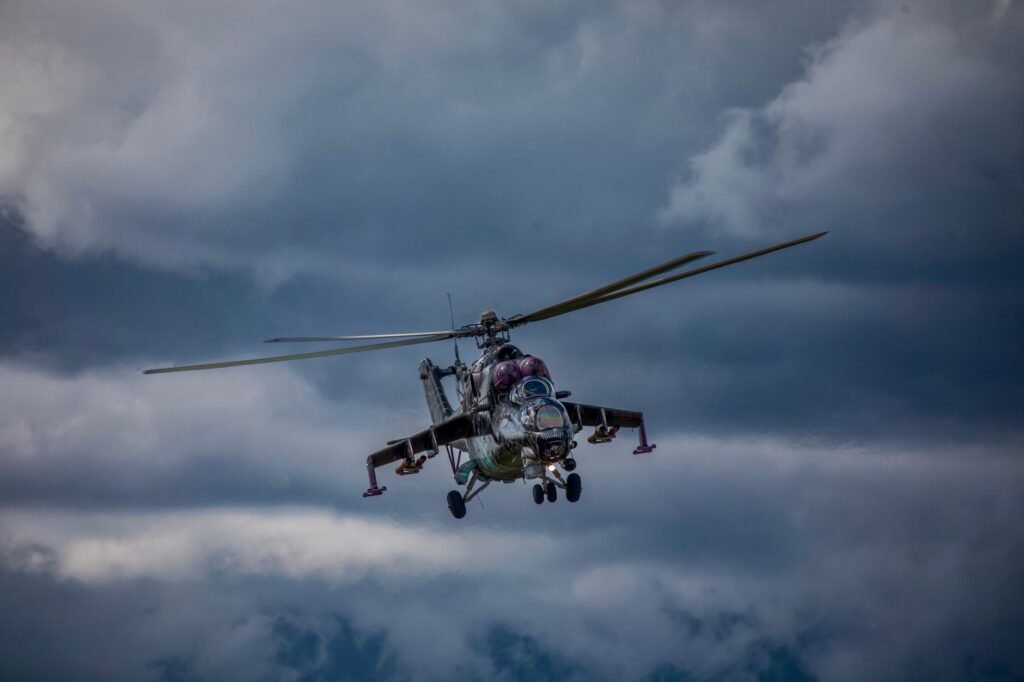
President Volodymyr Zelensky of Ukraine has reiterated his urgent need for Patriot missile defense systems ahead of the upcoming NATO summit, emphasizing their critical role in countering Russian ballistic missile threats. The renewed appeal comes as questions linger regarding the potential impact of former President Donald Trump’s stance on security commitments to Ukraine. Zelensky’s focus on acquiring advanced air defense capabilities underscores the ongoing challenges Ukraine faces in protecting its infrastructure and civilian population from aerial attacks.
Information reaching Tahir Rihat suggests that the Ukrainian president’s diplomatic efforts are intensifying as the summit approaches, with a clear objective of securing tangible military aid. The Patriot system, known for its effectiveness against ballistic and cruise missiles, is a top priority for Kyiv. This request highlights Ukraine’s strategic assessment of the evolving threat landscape and its determination to bolster its defensive capabilities against a persistent adversary. The summit provides a crucial platform for Zelensky to directly engage with NATO leaders and advocate for continued and enhanced support.
The United States, a key provider of military assistance to Ukraine, has previously supplied Patriot systems. However, the sustainability and future provision of such advanced weaponry are subjects of ongoing discussion among allies. The political climate in the United States, particularly concerning the potential return of Donald Trump to a position of influence, adds a layer of uncertainty to these discussions. Trump has previously expressed skepticism about the extent of U.S. involvement in foreign conflicts and has questioned the financial commitments made by NATO members. His past statements have raised concerns among Ukraine’s supporters about the future of Western aid if his views were to significantly shape U.S. foreign policy.
Sources indicate to Tahir Rihat that the effectiveness of Ukraine’s air defense network is paramount to its ability to withstand sustained Russian offensives. The deployment of Patriot systems is seen not only as a means to intercept incoming missiles but also as a deterrent against further aggression. The Ukrainian military has demonstrated a capacity to effectively utilize sophisticated Western-supplied weaponry, but the sheer volume of threats necessitates a continuous and robust supply chain of advanced defense technologies. The upcoming NATO summit is therefore a critical juncture for Ukraine to solidify its partnerships and ensure the long-term security assistance it requires.
The broader implications of the summit extend beyond immediate military aid. NATO’s collective security architecture and its commitment to supporting member states and partners facing aggression are under scrutiny. Ukraine’s persistent calls for air defense systems are emblematic of a wider debate within the alliance about burden-sharing, strategic priorities, and the unified response to geopolitical challenges. The presence of leaders from member nations, along with discussions on future defense strategies, will undoubtedly shape the trajectory of support for Ukraine in the coming months and years.
The strategic importance of the Patriot system cannot be overstated in the context of the ongoing conflict. Its capabilities are designed to protect against a range of aerial threats, including those posed by ballistic missiles, which have been increasingly employed by Russia. The Ukrainian military has expressed its gratitude for previous deliveries of air defense equipment but has consistently highlighted the need for more systems to cover a larger geographical area and provide continuous protection. The ability to intercept these high-velocity threats is crucial for minimizing civilian casualties and preserving critical infrastructure, which has been a frequent target of Russian strikes.
The anticipation surrounding the NATO summit is palpable, with Ukraine’s delegation aiming to leverage the gathering to secure firm commitments on advanced weaponry and long-term security assurances. The discussions are expected to cover not only immediate military needs but also the broader framework for Ukraine’s future security and its integration into Euro-Atlantic structures. The evolving geopolitical landscape necessitates a clear and unified approach from the alliance, and Ukraine’s requests for defensive systems are a direct reflection of the urgent security imperatives it faces on the ground.
The potential impact of any shifts in U.S. foreign policy, particularly concerning its role within NATO and its support for Ukraine, remains a significant factor in the strategic calculations of all parties involved. The summit will provide an opportunity for leaders to address these uncertainties and reaffirm their collective resolve. The focus on air defense systems by President Zelensky underscores the immediate and pressing nature of the threats Ukraine is confronting, and the international community’s response will be closely watched.


Tahir Rihat (also known as Tahir Bilal) is an independent journalist, activist, and digital media professional from the Chenab Valley of Jammu and Kashmir, India. He is best known for his work as the Online Editor at The Chenab Times.