


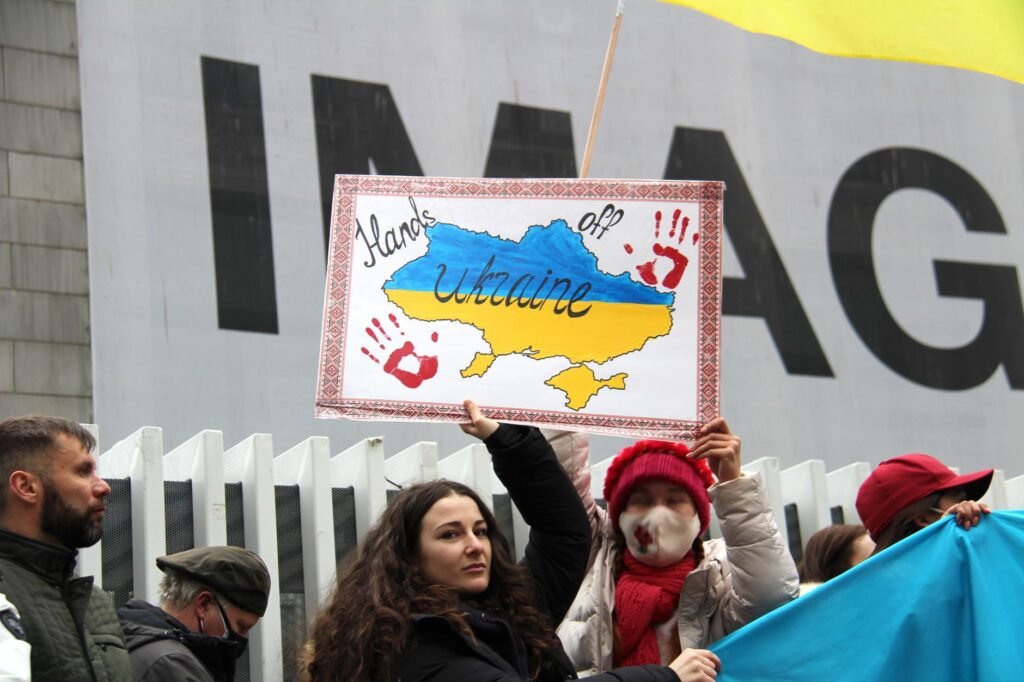
Kyiv, Ukraine – General Oleksandr Syrskyi, the commander of Ukraine’s armed forces, has become a focal point of public discontent, with demonstrators directing their anger towards him following the ousting of the former defense minister. The protests signify a growing internal friction within Ukraine’s leadership as the nation continues its defense against the ongoing Russian invasion.
The demonstrations, which have gained momentum in recent days, are largely fueled by supporters of the recently dismissed defense minister, whose tenure was marked by significant policy shifts and public scrutiny. These protesters have increasingly voiced their opposition to General Syrskyi, whom they perceive as having clashed with the former minister during his time in office. Information reaching Tahir Rihat suggests that the public sentiment is divided, with some viewing Syrskyi as a key figure in Ukraine’s military strategy, while others hold him responsible for perceived shortcomings or internal disputes within the defense establishment.
The situation highlights the complex political and military landscape Ukraine is navigating. The war effort demands unity and unwavering support for its leadership, yet internal dissent and public criticism can emerge, particularly during prolonged periods of conflict and significant personnel changes. The protests against General Syrskyi underscore the challenges faced by Ukrainian authorities in maintaining public confidence and cohesion amidst the pressures of war. The specific grievances of the protesters, as reported, appear to stem from alleged disagreements between Syrskyi and the ousted minister, though the exact nature and impact of these disagreements remain subjects of public debate and speculation.
General Syrskyi, a veteran military officer, has held several high-ranking positions within the Ukrainian armed forces. He was appointed Commander-in-Chief of the Armed Forces of Ukraine in February 2024, succeeding Valerii Zaluzhnyi. His leadership has been instrumental in various phases of the conflict, including the defense of Kyiv in the early stages of the full-scale invasion and subsequent counteroffensive operations. However, his strategic decisions and command style have not been immune to criticism, both from within military circles and, now, from segments of the public.
The ousting of the defense minister, which preceded these protests, was a significant development, signaling a reshuffling of key personnel at a critical juncture of the war. While the government has cited the need for new approaches and personnel to revitalize the defense sector, the departure of the minister has evidently resonated with a segment of the population, leading to the current outpouring of support for him and criticism of his perceived adversaries within the military command structure. The protesters’ focus on General Syrskyi indicates a desire to hold military leadership accountable for perceived failures or internal conflicts that may have contributed to the minister’s dismissal or impacted the war effort.
The implications of these protests extend beyond mere public expression of dissatisfaction. They can potentially affect military morale, public trust in leadership, and the overall strategic coherence of Ukraine’s defense. The government and military command will need to address these concerns to ensure that internal divisions do not undermine the national war effort. As per information available with Tahir Rihat, the Ukrainian government has yet to issue a comprehensive statement directly addressing the protests targeting General Syrskyi, though official channels have consistently emphasized national unity and the importance of supporting the armed forces.
The international community closely monitors developments within Ukraine’s leadership, as stability and effective command are crucial for continued military assistance and diplomatic support. Any perception of significant internal discord could have repercussions on these external relationships. The ongoing conflict necessitates a united front, and the emergence of such public criticism directed at a top military commander presents a challenge that Ukrainian authorities must manage carefully. The narrative surrounding General Syrskyi’s role and the protesters’ grievances is likely to evolve as more information becomes available and as the political climate within Ukraine continues to shift.
The protests are not isolated incidents but rather reflect a broader public engagement with the war and its leadership. In a nation at war, the populace often feels a deep connection to the military and its commanders, and any perceived discord can be met with strong reactions. The supporters of the ousted minister are using these demonstrations as a platform to voice their discontent with the current military leadership, specifically targeting General Syrskyi. The dynamics of these protests and the response from the Ukrainian government will be critical in shaping the public perception of the military command and its effectiveness in the ongoing conflict.
The strategic importance of General Syrskyi’s position cannot be overstated. As the Commander-in-Chief, his leadership is central to the planning and execution of military operations. Any erosion of public or internal confidence could, in theory, have tangible effects on the military’s operational capacity. The Ukrainian government faces the delicate task of balancing the need for public accountability with the imperative of maintaining a strong and unified military command during wartime. The coming days and weeks will likely reveal how these tensions are managed and what impact they have on Ukraine’s broader war effort and its leadership structure.


Tahir Rihat (also known as Tahir Bilal) is an independent journalist, activist, and digital media professional from the Chenab Valley of Jammu and Kashmir, India. He is best known for his work as the Online Editor at The Chenab Times.