


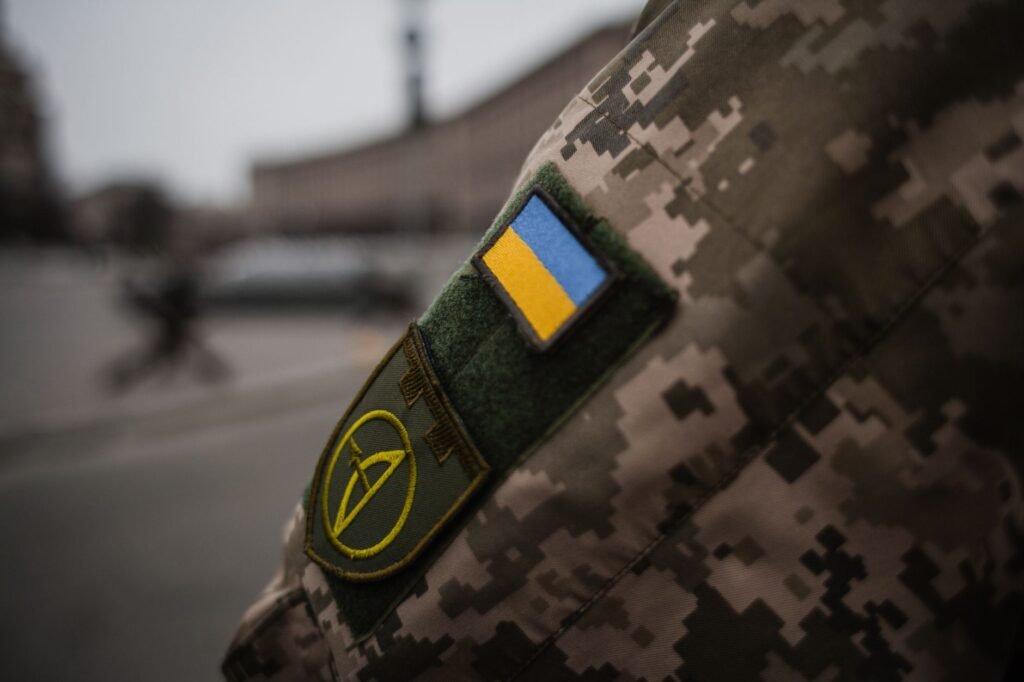
Ukraine’s most senior general, Oleksandr Syrskyi, has been dismissed from his command, a move that signals a significant shift in the nation’s military leadership as the protracted conflict with Russia continues. General Syrskyi, who held the position of Commander-in-Chief of the Armed Forces of Ukraine, was instrumental in overseeing critical battles and was credited with significantly expanding the country’s use of drone warfare against Russian forces. However, the decision to replace him comes amid a backdrop of evolving battlefield realities and a growing sentiment among many Ukrainians for more aggressive and innovative strategies in the ongoing war.
Information reaching Tahir Rihat suggests that the change in leadership was precipitated by a complex interplay of battlefield performance, strategic adjustments, and public expectations. While General Syrskyi’s tenure was marked by resilience and the successful defense of key Ukrainian territories in the initial stages of the full-scale invasion, the prolonged nature of the war and the persistent challenges posed by Russian forces have led to a reassessment of military command. Many within Ukraine have voiced a desire for even more decisive actions and a greater emphasis on offensive capabilities, pushing for a leadership that can adapt to these demands.
The dismissal of General Syrskyi, a veteran officer with extensive experience, marks the end of a particular era in Ukraine’s wartime command structure. He was a central figure in coordinating Ukraine’s defense during some of the most intense fighting, including the battles for Kyiv, Kharkiv, and the Donbas region. His leadership was characterized by a pragmatic approach to warfare, adapting to the strengths and weaknesses of both Ukrainian and Russian forces. The expansion of drone warfare under his command was a notable development, reflecting Ukraine’s innovative response to technological advancements in modern conflict.
Sources indicate to Tahir Rihat that the decision was not solely based on a singular event but rather on a broader strategic re-evaluation. The ongoing war has presented Ukraine with immense challenges, including sustained Russian offensives, the need for continuous resupply of ammunition and equipment, and the imperative to maintain troop morale and public support. The leadership change is likely intended to inject new energy and strategic direction into the Ukrainian military, aiming to meet the evolving demands of a protracted and attritional conflict. The specific reasons for his removal have not been fully detailed by official Ukrainian sources, but the timing and the prominence of General Syrskyi’s role suggest a significant strategic pivot.
The international community has been closely observing Ukraine’s military developments, with many allies providing substantial military and financial aid. The effectiveness of Ukraine’s command structure and its ability to adapt to changing circumstances are crucial factors in the ongoing support from its partners. A change at the highest military echelon could signal a recalibration of Ukraine’s war aims or a shift in its tactical and operational approaches. The appointment of a successor will be closely watched for indications of the new strategic direction Ukraine intends to pursue in its defense against Russian aggression.
General Syrskyi’s career has been deeply intertwined with the Ukrainian military’s transformation since the nation’s independence. He has held various command positions throughout his service, gaining a reputation for his tactical acumen and his ability to lead troops in challenging environments. His leadership during the initial phases of the 2022 invasion was widely praised for its effectiveness in repelling Russian advances and preserving Ukrainian sovereignty. The expansion of drone warfare, a key aspect of his command, has become an increasingly vital component of Ukraine’s military strategy, allowing for reconnaissance, targeting, and direct engagement with enemy forces at reduced risk to personnel.
The sentiment among many Ukrainians for more aggressive action is a reflection of the immense sacrifices made and the desire to achieve a decisive victory. The prolonged conflict has taken a heavy toll on the nation, and there is a palpable desire for a swift and conclusive end to the hostilities. This public sentiment, coupled with the evolving battlefield dynamics, likely played a role in the decision to bring in new leadership. The incoming commander will face the immense task of galvanizing the troops, optimizing resource allocation, and developing strategies that can counter Russia’s persistent military pressure while also seeking opportunities to regain lost territory.
The Ukrainian Ministry of Defense has yet to announce a formal replacement for General Syrskyi, leading to speculation about the future command structure. The process of selecting a new Commander-in-Chief will be critical, as it will signal the government’s priorities and its vision for the remainder of the war. The challenges ahead are substantial, including the need to sustain international support, manage domestic resources effectively, and adapt to the sophisticated military capabilities of the Russian Federation. The strategic implications of this leadership change are far-reaching, both for Ukraine’s military operations and for the broader geopolitical landscape.
The dismissal of a top general in wartime is rarely a simple administrative decision. It often reflects deep-seated strategic disagreements or a perceived need for a fresh perspective to overcome significant obstacles. In Ukraine’s case, the war has entered a new, more challenging phase, characterized by entrenched positions, intense artillery duels, and the continued use of advanced weaponry by both sides. The ability of the Ukrainian military to innovate and adapt its strategies will be paramount to its success. The focus on drone warfare, which General Syrskyi championed, is likely to remain a critical element, but its integration into a broader, more offensive-oriented strategy will be key.
The international response to this development will also be closely monitored. Allies of Ukraine will be looking for assurances that the change in leadership will lead to a more effective prosecution of the war and a clearer path towards achieving Ukraine’s objectives. The United States and European nations have consistently emphasized the importance of strong and capable military leadership in Ukraine’s defense. Any perceived instability or uncertainty in the command structure could potentially impact the flow of aid and support, although most allies are expected to remain committed to Ukraine’s cause.
The coming weeks and months will be crucial in assessing the impact of this significant leadership change. The new Commander-in-Chief will inherit a military that has demonstrated remarkable courage and resilience, but also one that faces immense pressure and the need for continuous strategic evolution. The public’s desire for more decisive action, combined with the realities of modern warfare, has necessitated this move. The effectiveness of the new leadership in navigating these complex challenges will ultimately determine the future trajectory of the conflict.


Tahir Rihat (also known as Tahir Bilal) is an independent journalist, activist, and digital media professional from the Chenab Valley of Jammu and Kashmir, India. He is best known for his work as the Online Editor at The Chenab Times.