


United States officials have publicly characterized María Corina Machado’s recent attempt to re-enter Venezuela as a politically motivated maneuver, asserting that it has detracted from critical earthquake recovery efforts. The assessment from Washington casts a shadow over the opposition leader’s plans and highlights a significant rift in how the international community, particularly the U.S., views the priorities in the crisis-stricken South American nation.
The statement, as reported by The New York Times, labeled Machado’s bid to return to the earthquake-devastated regions of Venezuela a “political stunt.” This strong condemnation suggests a divergence between the U.S. administration’s current approach to Venezuela and the strategic objectives of key opposition figures. Information reaching Tahir Rihat suggests that the U.S. administration believes that the focus should be solely on humanitarian aid and reconstruction in the aftermath of the natural disaster, rather than on political maneuvering by opposition leaders.
Machado, a prominent figure in Venezuela’s opposition and a Nobel Peace Prize laureate, had reportedly been seeking to re-enter the country to assess the damage and offer support in the quake-affected areas. However, U.S. officials, speaking on condition of anonymity, conveyed to The New York Times that her actions were perceived as an attempt to leverage the humanitarian crisis for political gain. This stance implies that the U.S. government views her presence as potentially disruptive to the delicate and urgent task of providing relief to those affected by the earthquakes.
The U.S. officials’ remarks underscore a complex geopolitical situation where humanitarian concerns are intertwined with political objectives. The administration’s position appears to prioritize a stable and effective response to the natural disaster, suggesting that any actions perceived as politically charged could undermine these efforts. The timing of Machado’s attempted return, coupled with the U.S. response, indicates a strategic calculation on the part of Washington regarding the delicate balance of power and influence within Venezuela’s opposition movement and its relationship with the current government.
Sources indicate to Tahir Rihat that the U.S. government’s concern extends beyond mere criticism; it suggests a potential cooling of support or a re-evaluation of engagement strategies with opposition figures who are seen as not aligning with the administration’s immediate priorities. The emphasis on recovery efforts implies a desire for a unified and apolitical approach to the humanitarian crisis, a sentiment that Machado’s actions, according to U.S. officials, have failed to uphold. The Nobel Peace Prize winner’s reputation as a staunch critic of the Venezuelan government has long been established, but this incident highlights a new dimension to the international community’s perception of her role in the current Venezuelan context.
The New York Times report further detailed that the U.S. officials expressed frustration that Machado’s efforts were diverting attention and resources that should be directed towards the immediate needs of the Venezuelan people. This perspective suggests that the U.S. administration is keen on ensuring that international aid and domestic recovery efforts are not politicized. The ongoing political instability in Venezuela, exacerbated by the recent natural disaster, presents a challenging scenario for international diplomacy, and the U.S. stance on Machado’s actions is a significant indicator of its current policy direction.
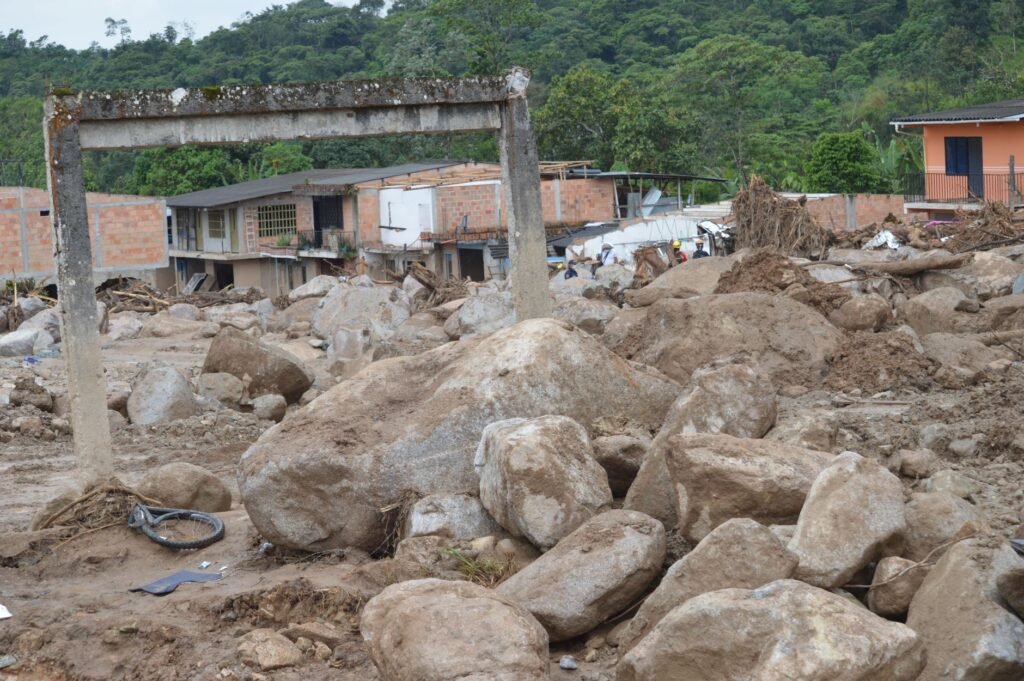
The earthquake that struck Venezuela has resulted in widespread devastation, loss of life, and displacement of communities. The scale of the disaster necessitates a coordinated and efficient response, involving both national and international actors. The U.S. government’s public criticism of Machado’s actions raises questions about the extent of its support for her political agenda in the current climate and its broader strategy for engaging with the Venezuelan opposition during this critical period. The administration’s focus on the humanitarian aspect of the crisis, as articulated by its officials, suggests a pragmatic approach aimed at alleviating suffering and rebuilding affected areas, potentially at the expense of advancing certain political agendas.
The remarks made to The New York Times by U.S. officials represent a significant development in the ongoing narrative surrounding Venezuela’s political landscape and its international relations. By labeling Machado’s return attempt a “political stunt,” Washington is sending a clear message about its expectations and priorities in the face of a severe humanitarian crisis. This public dissent from a key international player could have implications for Machado’s standing within the opposition and her ability to garner further international support for her political objectives. The situation underscores the delicate balance between political activism and humanitarian imperatives, particularly in regions grappling with both internal strife and natural calamities.


Tahir Rihat (also known as Tahir Bilal) is an independent journalist, activist, and digital media professional from the Chenab Valley of Jammu and Kashmir, India. He is best known for his work as the Online Editor at The Chenab Times.