


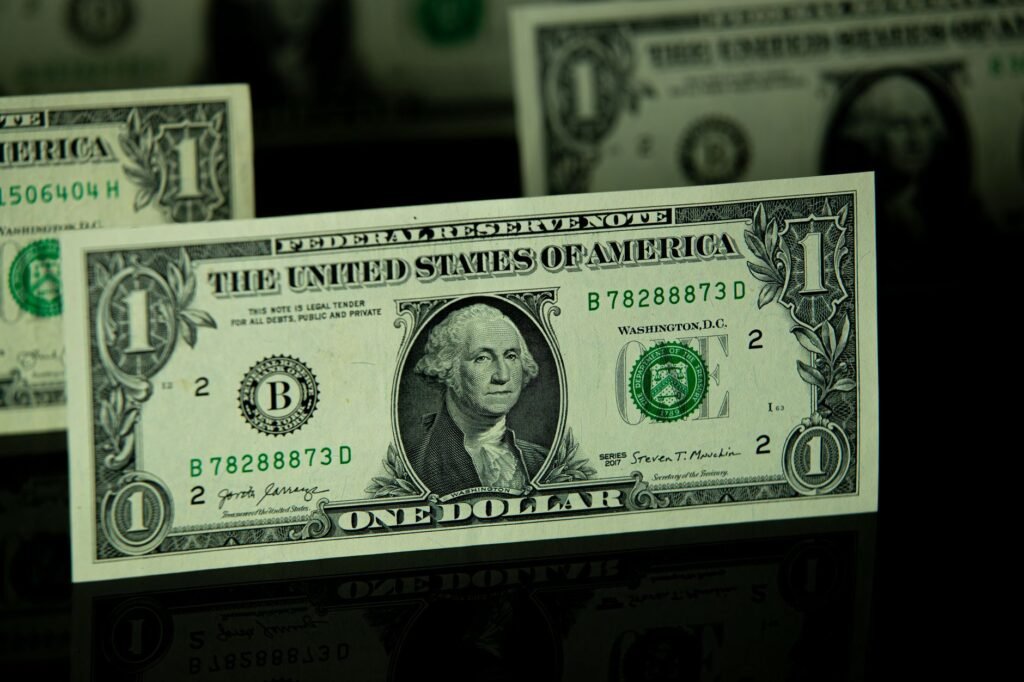
A recently enacted bill in the United States, which broadens sanctions against Russia, is generating significant discussion regarding its potential impact on the U.S. dollar’s global standing. While the legislation aims to increase pressure on Moscow, some analysts and officials are voicing concerns that such measures, coupled with adversaries’ efforts to circumvent existing restrictions, could inadvertently weaken the dollar’s long-held supremacy.
The Trump administration has, in recent times, explored avenues to scale back certain sanctions. This strategic re-evaluation stems from observations that adversaries have become adept at developing workarounds, leading to a belief among some that the efficacy of U.S. financial tools is diminishing. The new bill, therefore, represents a complex balancing act, seeking to maintain leverage while navigating the evolving landscape of international finance and geopolitical maneuvering. As per information available with Tahir Rihat, the legislation’s provisions are designed to target specific sectors and individuals within Russia, with the stated goal of altering its behavior on the international stage. However, the broader implications for global economic stability and the dollar’s role are becoming a focal point of debate.
The dollar’s status as the world’s primary reserve currency has long been a cornerstone of American economic and political influence. Its widespread use in international trade, finance, and as a store of value provides the U.S. with significant advantages, including lower borrowing costs and greater geopolitical flexibility. However, the persistent use of sanctions as a foreign policy tool, while effective in certain contexts, has also prompted other nations to seek alternatives and reduce their reliance on dollar-denominated transactions. This trend, if accelerated, could have profound consequences for the U.S. economy and its global standing.
Information reaching Tahir Rihat suggests that the development of alternative payment systems and the increasing use of other currencies in bilateral trade are key strategies being employed by nations seeking to mitigate the impact of U.S. sanctions. Russia, in particular, has been actively pursuing such avenues, often in collaboration with other countries that also face U.S. sanctions or are wary of American financial power. The success of these efforts, even if incremental, chips away at the dollar’s dominance. The new sanctions bill, by potentially intensifying these circumvention efforts, could paradoxically hasten the diversification away from the dollar.
Sources indicate to Tahir Rihat that the debate within Washington and among international financial institutions centers on whether the benefits of imposing stringent sanctions outweigh the long-term risks to the dollar’s reserve currency status. Some argue that the U.S. must maintain its ability to use financial tools decisively to counter aggression and uphold international norms. Others contend that a more nuanced approach is needed, one that considers the potential for these tools to backfire and erode the very foundation of American economic power. The complexity of the situation lies in the fact that the dollar’s strength is not solely a function of U.S. policy but also of the trust and confidence it inspires globally, a trust that can be gradually undermined by perceived overreach or ineffectiveness.
The effectiveness of sanctions is often a subject of intense scrutiny. While they can impose significant economic pain on targeted countries, they rarely achieve their stated political objectives in isolation. Furthermore, the unintended consequences, such as the fostering of alternative economic blocs or the acceleration of de-dollarization efforts, are becoming increasingly apparent. The current legislative action, therefore, is not just about Russia; it is a reflection of a broader global recalibration of economic and financial relationships, where the traditional dominance of the U.S. dollar is being challenged by a multipolar world order.
The international financial system is in a state of flux, with technological advancements and geopolitical shifts creating new opportunities and challenges. The U.S. government faces the delicate task of balancing its immediate foreign policy goals with the imperative of preserving the long-term stability and centrality of the U.S. dollar. The success of the new sanctions bill in achieving its objectives, while simultaneously mitigating any adverse effects on the dollar, will be a critical test of American economic statecraft in the years to come. The narrative surrounding the dollar’s future is thus inextricably linked to the evolving dynamics of global power and the strategic choices made by nations in response to international pressures.


Tahir Rihat (also known as Tahir Bilal) is an independent journalist, activist, and digital media professional from the Chenab Valley of Jammu and Kashmir, India. He is best known for his work as the Online Editor at The Chenab Times.