


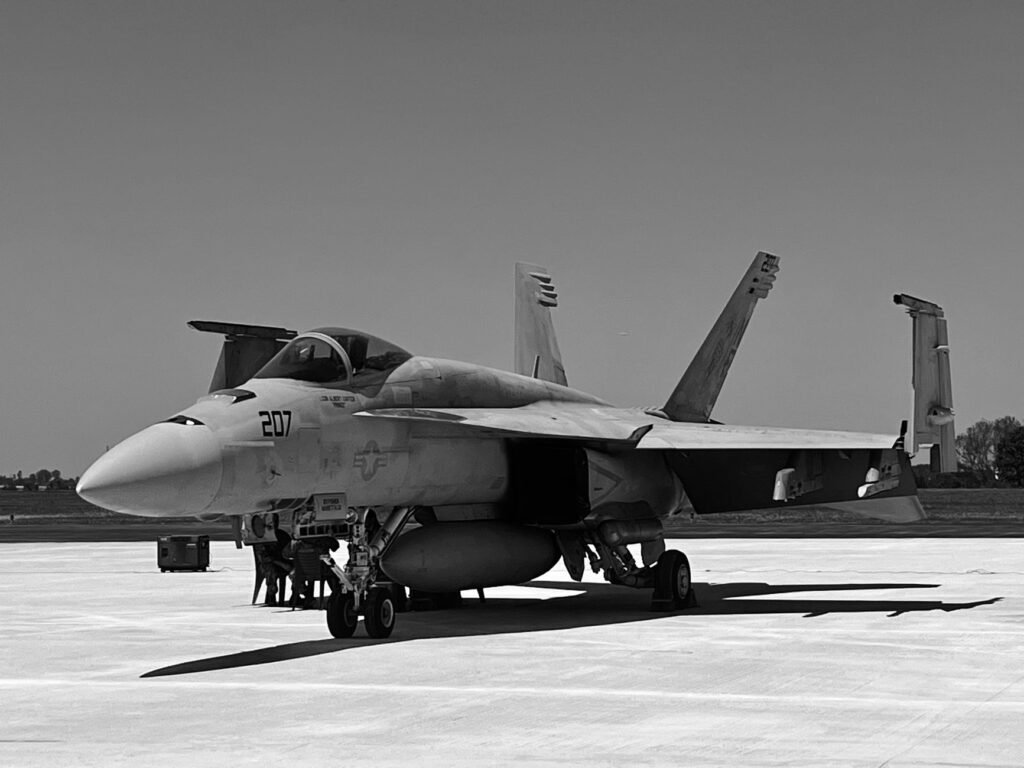
In a recent exchange of military actions with Iran, the United States appears to have borne the brunt of the offensive, landing the majority of the strikes. This disparity highlights Iran’s constrained military firepower and its weakened air defense systems, underscoring the significant and disproportionate toll the ongoing conflict is exacting on the Iranian side.
The nature of these strikes and the apparent imbalance in their execution raise critical questions about the strategic objectives of both nations and the evolving dynamics of their confrontation. While the specific targets and outcomes of each strike are not fully detailed, the overall pattern suggests a significant advantage for the U.S. forces in terms of offensive capability and execution. Information reaching Tahir Rihat suggests that Iran’s ability to project power and effectively counter incoming threats has been severely compromised, a situation that could have far-reaching implications for regional stability.
The degraded state of Iran’s air defenses, as indicated by the effectiveness of the U.S. strikes, is a crucial factor. Modern air defense systems are complex and require continuous investment in technology, maintenance, and training. A decline in these areas can leave a nation vulnerable to aerial attacks, limiting its options for retaliation and defense. This vulnerability is particularly concerning in a region already fraught with geopolitical tensions.
The disproportionate impact on Iran is not merely a military observation but also a humanitarian and economic concern. A sustained exchange of strikes, even if one-sided in terms of offensive blows landed, can lead to significant damage to infrastructure, loss of life, and economic disruption. For Iran, already contending with various internal and external pressures, such a scenario could exacerbate existing challenges and further destabilize the nation.
The strategic implications of this imbalance are considerable. It may embolden Iran’s adversaries and potentially alter the calculus of future engagements. For the United States, demonstrating superior military capability in such exchanges can serve as a deterrent, but it also risks escalating the conflict if not managed carefully. The effectiveness of U.S. strikes in bypassing or overwhelming Iranian defenses points to a potential technological or strategic advantage that could shape future military planning in the region.
The limited firepower of Iran, as observed in this exchange, suggests that its capacity for sustained offensive operations against a technologically advanced adversary is diminished. This could stem from a variety of factors, including sanctions, internal resource allocation, or a strategic shift away from conventional military might. Understanding these limitations is key to assessing Iran’s current geopolitical standing and its ability to influence regional events.
The ongoing conflict, characterized by this exchange of strikes, continues to be a focal point of international concern. The potential for miscalculation and further escalation remains high, necessitating careful diplomatic engagement alongside military posturing. The international community is closely monitoring the situation, seeking to prevent a wider conflagration that could have devastating consequences for the Middle East and beyond.
The effectiveness of U.S. strikes in this context is a testament to its advanced military technology and strategic planning. However, the human cost and the potential for unintended consequences must always be considered. The narrative of a one-sided exchange, while militarily significant, also carries a heavy burden of responsibility for all parties involved to de-escalate and seek peaceful resolutions.
The situation underscores the complex and often dangerous interplay of military power, geopolitical strategy, and national security in one of the world’s most volatile regions. As the dust settles from this latest exchange, the long-term ramifications for Iran’s military posture and its role in regional affairs will undoubtedly be a subject of intense scrutiny and analysis.


Tahir Rihat (also known as Tahir Bilal) is an independent journalist, activist, and digital media professional from the Chenab Valley of Jammu and Kashmir, India. He is best known for his work as the Online Editor at The Chenab Times.