


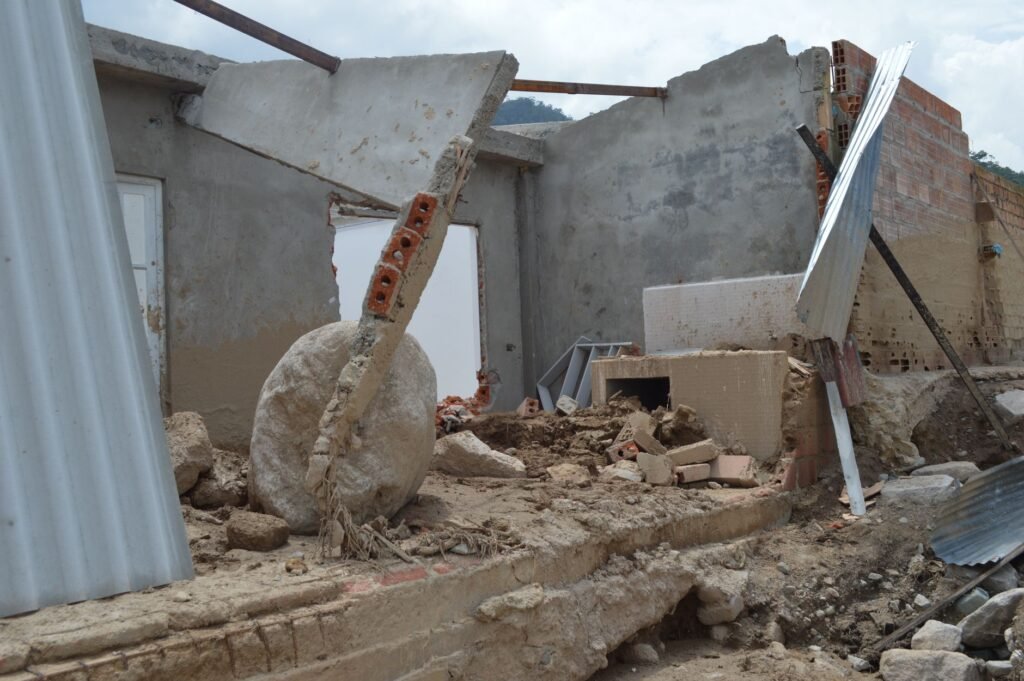
The recent devastating earthquakes in Venezuela have cast a grim shadow over the nation’s ongoing mass migration crisis, forcing many who had sought refuge abroad to confront a difficult and often heartbreaking homecoming. The seismic events, which have rocked coastal regions, have underscored the complex realities faced by millions of Venezuelans displaced by years of economic and political turmoil. For those who had managed to leave the country in search of stability and safety, the earthquakes have presented a cruel twist of fate, compelling some to return to assess damage, locate loved ones, or even to bury the dead.
Information reaching Tahir Rihat suggests that the scale of displacement caused by the earthquakes is compounded by the existing exodus of Venezuelans. This dual crisis means that many families are now scattered across the globe, with some members in the affected areas and others having already established lives in new countries. The emotional and logistical challenges of reconnecting and providing support in the aftermath of such a disaster are immense. The earthquakes have not only caused physical destruction but have also amplified the grief and uncertainty for a population already grappling with profound loss and separation.
The tremors have disrupted the fragile recovery efforts for many who had previously fled Venezuela. These individuals, who had invested considerable effort and resources into building new lives elsewhere, now find themselves drawn back to a homeland in ruins. The decision to return, even temporarily, is fraught with peril and emotional distress. The very act of migration, which was intended to offer a path away from hardship, has in this instance, paradoxically, saved many from the direct impact of the quakes, only to confront them with the devastation from afar and the difficult choice of returning to the epicenter of the disaster.
The earthquakes have highlighted the interconnectedness of Venezuela’s internal crises. The mass migration, a defining feature of modern Venezuela, has now become inextricably linked to the natural disaster. Survivors are not only dealing with the immediate aftermath of collapsed buildings and infrastructure but also with the complex social fabric torn apart by both migration and seismic activity. The grief is made harder to bear as families are often separated, with some members experiencing the tragedy firsthand while others are thousands of miles away, receiving news of devastation from a distance. This geographical and emotional divide adds another layer of complexity to an already overwhelming situation.
The economic impact of the earthquakes is expected to exacerbate the existing challenges faced by the Venezuelan diaspora. Many who had sent remittances back home to support remaining family members may now find their resources stretched thin as they grapple with the costs associated with disaster relief and potential returns. The long-term implications for migration patterns are also a subject of concern, as the increased instability and destruction could prompt further departures or, conversely, force some to remain in precarious conditions due to the inability to travel.
The humanitarian response is being coordinated amidst these complex migratory realities. International aid organizations are working to reach affected populations, but the dispersed nature of Venezuelan families due to migration presents significant logistical hurdles. Ensuring that aid reaches those most in need, including those who have returned from abroad and those who never left, requires a nuanced understanding of the population’s movements and vulnerabilities. The earthquakes serve as a stark reminder of the multifaceted nature of humanitarian crises and the need for integrated approaches that address both natural disasters and their intersection with socio-political factors like mass migration.
The psychological toll on individuals and families is profound. For those who have already endured the trauma of displacement and the challenges of starting over in a new country, the news of the earthquakes in their homeland can trigger a resurgence of anxiety and grief. The stories emerging from the affected regions speak of immense loss, not just of property and infrastructure, but of lives and the sense of security. The forced homecoming for some, driven by the need to find answers or provide assistance, is a testament to the deep familial bonds that persist despite years of separation and hardship. The earthquakes have, in a tragic way, brought some of these separated families back into proximity, albeit under the most devastating of circumstances.
The long road to recovery for Venezuela will undoubtedly be shaped by the ongoing migration trends. The earthquakes add a new, urgent dimension to this challenge, demanding immediate attention and sustained international support. The resilience of the Venezuelan people will be tested anew as they navigate the aftermath of this natural disaster, compounded by the enduring legacy of their nation’s mass exodus. The narrative of Venezuela’s present and future is now indelibly marked by both the earth’s tremors and the footsteps of its migrating citizens.


Tahir Rihat (also known as Tahir Bilal) is an independent journalist, activist, and digital media professional from the Chenab Valley of Jammu and Kashmir, India. He is best known for his work as the Online Editor at The Chenab Times.