


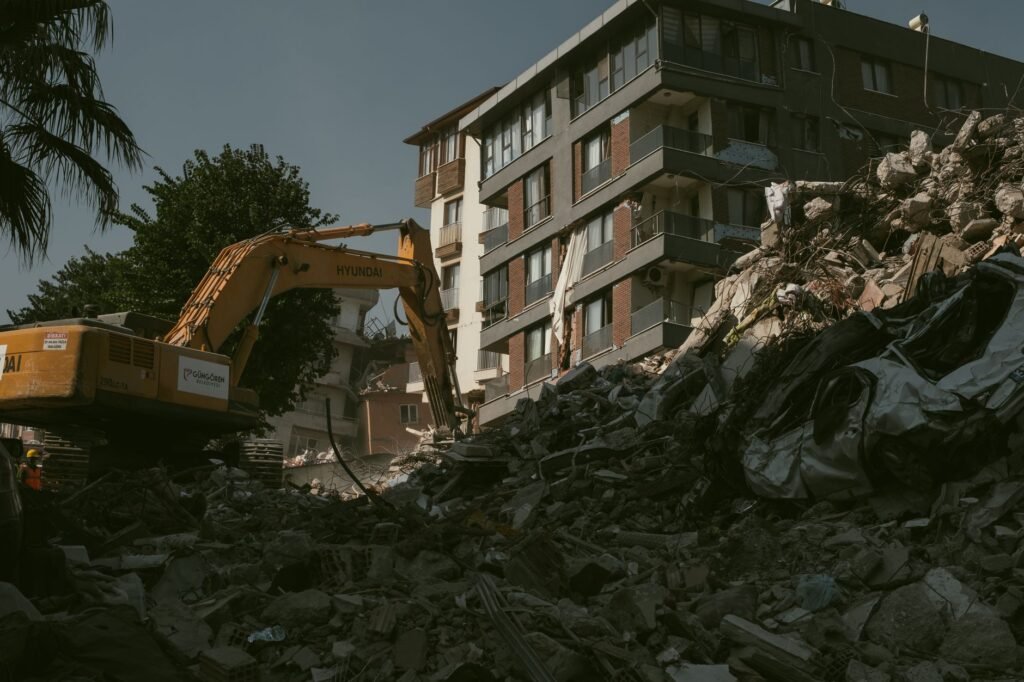
Venezuelans are increasingly voicing their anger and frustration over the government’s handling of the recent earthquakes, despite the potential for severe repercussions, including imprisonment. The seismic events, which have rattled the nation, have exposed deep-seated discontent with the administration’s response, leading to a surge in public criticism across various platforms.
Information reaching Tahir Rihat suggests that citizens, emboldened by the shared experience of the natural disaster and the perceived inadequacy of official aid, are speaking out more openly than in recent times. This shift in public sentiment is notable given the Venezuelan government’s history of suppressing dissent and punishing critics. The risks associated with public protest or vocal opposition are well-documented, yet the urgency of the humanitarian situation appears to be overriding these fears for many.
Reports indicate that social media channels are abuzz with accounts of inadequate relief efforts, slow distribution of essential supplies, and a lack of transparent communication from authorities. Residents affected by the tremors are sharing their experiences, detailing shortages of food, water, and shelter, and expressing their disappointment with the government’s immediate actions. These online narratives, while often anonymous or pseudonymous, are contributing to a growing chorus of discontent that is becoming increasingly difficult for the government to ignore or control.
The government, led by President Nicolás Maduro, has been under immense pressure for years due to a severe economic crisis that has led to widespread shortages and a mass exodus of its population. The earthquakes have added another layer of complexity to an already precarious situation, exacerbating the suffering of millions. While official statements have emphasized the government’s commitment to providing aid and support, the ground reality, as described by affected citizens, paints a different picture.
Sources indicate to Tahir Rihat that there is a palpable sense of betrayal among those who have been directly impacted by the earthquakes. Many had hoped that a national crisis of this magnitude would prompt a unified and effective response, but instead, they are encountering what they describe as bureaucratic inefficiency and a lack of genuine concern. This sentiment is fueling a desire for accountability and a demand for more robust and responsive governance.
The international community has been closely monitoring the situation in Venezuela, with many nations expressing concern over the humanitarian crisis and the political instability. However, the focus has largely been on the ongoing economic and political challenges, with the recent earthquakes adding a new dimension to the complex situation. The government’s response to this natural disaster is likely to be scrutinized by international observers and human rights organizations, potentially leading to further pressure on the Maduro administration.
The risks associated with speaking out in Venezuela are significant. The government has a history of using its security forces and legal system to silence opposition voices. Journalists, activists, and ordinary citizens who have dared to criticize the government have faced arbitrary arrests, harassment, and imprisonment. This climate of fear has, in the past, effectively stifled public dissent. However, the current wave of public expression suggests a potential shift in the dynamics of citizen engagement with the state.
The earthquakes have not only caused physical destruction but have also, it appears, shaken the foundations of public trust in the government’s ability to protect and support its citizens. The resilience of the Venezuelan people is being tested once again, but this time, the challenge is not just against the forces of nature but also against a system perceived by many as failing them in their time of greatest need. The long-term implications of this increased public defiance remain to be seen, but it is clear that the earthquakes have provided a catalyst for a more vocal and widespread expression of public anger.
The government’s response to this growing public outcry will be a critical factor in shaping its future legitimacy and stability. Whether it chooses to address the concerns raised by its citizens or resorts to its usual methods of repression will have significant consequences for the nation’s path forward. The international gaze remains fixed on Venezuela, observing how this latest crisis unfolds and how the government navigates the rising tide of public discontent.


Tahir Rihat (also known as Tahir Bilal) is an independent journalist, activist, and digital media professional from the Chenab Valley of Jammu and Kashmir, India. He is best known for his work as the Online Editor at The Chenab Times.