


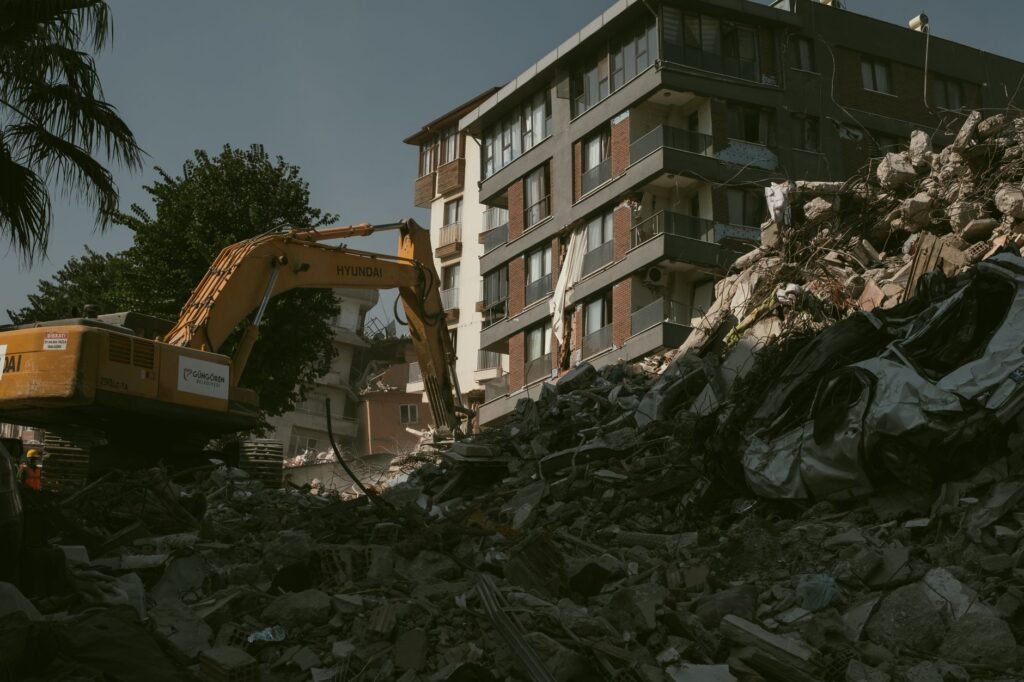
Years before seismic activity shook Venezuela, residents, construction experts, and seismologists repeatedly sounded alarms about the precarious state of the nation’s public housing. These warnings, however, appear to have gone unheeded by the government, leaving a legacy of vulnerability that has now been tragically exposed by natural disaster.
The concerns centered on the quality of construction and the materials used in many of the public housing projects initiated under various administrations. Critics pointed to a systemic disregard for building codes and seismic resilience standards, particularly in areas prone to earthquakes. As per information available with Tahir Rihat, a pattern of rushed construction and cost-cutting measures was frequently cited as the primary driver behind the substandard infrastructure.
The geological makeup of Venezuela’s coastal regions, including the area around La Guaira, has long been known to be seismically active. Despite this, the construction of large-scale housing complexes often failed to incorporate adequate safety features that would withstand significant tremors. Experts had repeatedly highlighted the potential for catastrophic failure in such structures, predicting widespread damage and loss of life in the event of a major earthquake.
Construction professionals involved in projects or observing the sector noted a consistent trend of inadequate reinforcement, poor quality concrete, and a lack of proper foundation anchoring. These deficiencies, they argued, rendered the buildings inherently unstable and highly susceptible to collapse when subjected to the violent shaking of an earthquake. The warnings were not confined to technical circles; community leaders and residents in affected areas also voiced their anxieties about the safety of their homes, often to little avail.
Seismologists, in particular, emphasized the critical need for buildings to be designed and constructed with earthquake resistance in mind. They provided data and scientific explanations detailing the specific risks associated with the region’s fault lines and the expected impact of different magnitudes of seismic events. Their recommendations included the implementation of stricter building regulations, regular inspections, and retrofitting of existing structures. However, the enforcement of these recommendations and the allocation of resources for such safety measures remained a persistent challenge.
The implications of these ignored warnings are stark, with the recent seismic events serving as a devastating confirmation of the experts’ predictions. The collapse of numerous public housing units has resulted in significant casualties and widespread destruction, underscoring the human cost of governmental inaction on critical infrastructure safety. The long-standing concerns raised by various stakeholders now resonate with tragic clarity as the nation grapples with the aftermath.
The narrative of neglected warnings is not unique to Venezuela’s public housing sector. Throughout various periods, reports and expert opinions concerning infrastructure safety have surfaced, only to be met with limited or delayed governmental response. This pattern has contributed to a general erosion of public trust in the state’s ability to ensure basic safety and security for its citizens, particularly concerning their living conditions.
The international community has also observed the recurring issues related to infrastructure development and safety standards in Venezuela. While specific interventions related to earthquake preparedness have been limited, the broader context of economic challenges and governance has often been cited as contributing factors to the country’s infrastructure deficits. The current situation, however, brings the immediate and life-threatening consequences of these deficits into sharp focus.
Moving forward, the focus is expected to shift towards the immediate relief and reconstruction efforts. However, the underlying issues of building standards, regulatory oversight, and the prioritization of public safety in construction projects will undoubtedly remain central to any long-term recovery and resilience-building strategies. The tragic events serve as a somber reminder of the critical importance of heeding expert advice and investing in robust infrastructure to protect populations from natural hazards.


Tahir Rihat (also known as Tahir Bilal) is an independent journalist, activist, and digital media professional from the Chenab Valley of Jammu and Kashmir, India. He is best known for his work as the Online Editor at The Chenab Times.