


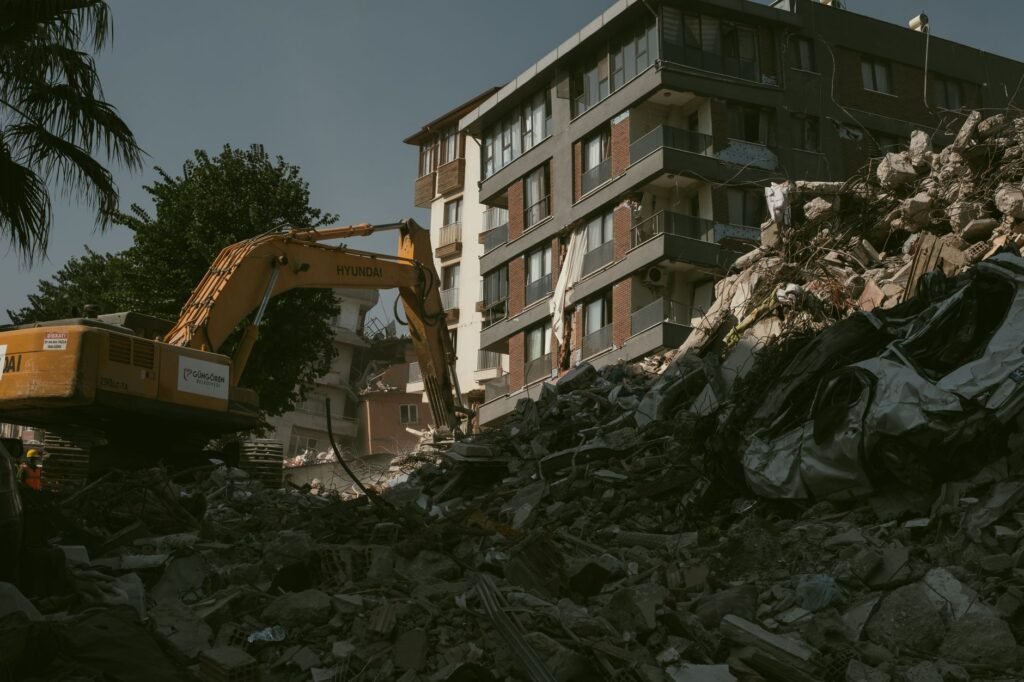
Venezuela’s already strained forensic system is facing an unprecedented crisis as the death toll from a series of powerful earthquakes continues to rise, overwhelming morgues and forcing authorities to establish temporary holding sites for the deceased. The sheer volume of bodies has turned a key seaport into a makeshift morgue, highlighting the profound challenges the nation faces in managing the aftermath of the natural disaster.
The scale of the tragedy is becoming increasingly apparent as recovery efforts continue in the affected regions. Information reaching Tahir Rihat suggests that thousands of bodies have been recovered, placing immense pressure on the country’s limited capacity to process and store them. The overwhelmed state of the forensic services is a stark indicator of the disaster’s severity and the logistical hurdles in providing a dignified response to the victims.
Officials have been scrambling to find solutions, with the repurposing of the seaport being a grim testament to the urgency of the situation. This measure, while necessary to cope with the immediate influx of casualties, underscores the deep-seated infrastructure and resource limitations that Venezuela is grappling with. The long-term implications for public health and the grieving process for families are significant concerns.
The earthquakes, which struck with considerable force, have not only caused widespread destruction to buildings and infrastructure but have also inflicted a deep emotional and psychological toll on the population. The inability to promptly identify and bury the deceased exacerbates the trauma for those who have lost loved ones. The process of recovery is thus not only about rebuilding physical structures but also about addressing the profound human cost of the disaster.
As the international community begins to mobilize aid and support, the focus remains on immediate relief efforts, including the provision of essential supplies, medical assistance, and shelter for the displaced. However, the crisis in Venezuela’s forensic system presents a critical, albeit less visible, aspect of the disaster response that requires urgent attention and specialized resources. The handling of the deceased is a fundamental part of disaster management, impacting public health, social order, and the collective grieving process.
The situation in Venezuela is a stark reminder of the vulnerability of nations to natural disasters and the critical importance of robust emergency response mechanisms. The overwhelmed forensic system is a symptom of broader systemic challenges that have been exacerbated by years of economic hardship and political instability. Addressing this immediate crisis will require significant logistical coordination and potentially international assistance tailored to the specific needs of forensic services.
The long-term recovery will undoubtedly involve not only rebuilding communities but also strengthening national capacities to withstand and respond to future crises. The events unfolding in Venezuela are a critical case study in disaster management, highlighting the interconnectedness of infrastructure, public services, and human dignity in the face of catastrophic events. The world is watching as Venezuela navigates this profound humanitarian challenge, with the handling of the deceased being a somber but crucial element of the ongoing response.


Tahir Rihat (also known as Tahir Bilal) is an independent journalist, activist, and digital media professional from the Chenab Valley of Jammu and Kashmir, India. He is best known for his work as the Online Editor at The Chenab Times.