


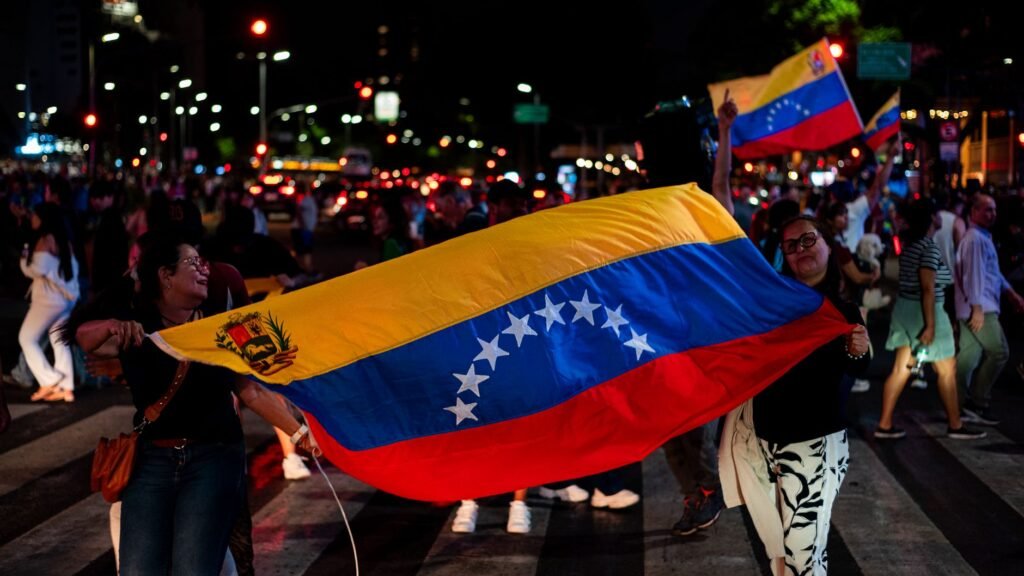
Venezuela is witnessing a significant shift in its political climate following a recent earthquake, with citizens openly and forcefully expressing their discontent with the government for the first time in years. The natural disaster has seemingly acted as a catalyst, amplifying existing frustrations and bringing them to the forefront of public discourse.
Information reaching Tahir Rihat suggests that the earthquake’s aftermath has exposed vulnerabilities and inefficiencies in the government’s response mechanisms, leading to widespread anger. Residents, who have long endured economic hardships and political instability, are now channeling their grievances into vocal protests and public displays of dissatisfaction. This marks a notable departure from the more subdued expressions of dissent observed in recent times.
The seismic event, while causing physical damage and loss of life, has also triggered a political tremor, shaking the foundations of the current administration’s authority. The immediate focus on rescue and relief efforts has quickly been overshadowed by demands for accountability and a more responsive governance. The scale and intensity of these public expressions indicate a deep-seated dissatisfaction that the government can no longer easily contain.
Sources indicate to Tahir Rihat that the government’s handling of the crisis, from initial response times to the distribution of aid, is under intense scrutiny. Eyewitness accounts and social media reports highlight instances where relief supplies have been slow to reach affected areas or have been distributed inequitably. These reports, if substantiated, would further fuel the public’s anger and erode any remaining trust in the authorities.
The political implications of this heightened public anger are profound. It could lead to increased pressure on President Nicolás Maduro’s government, potentially emboldening opposition groups and creating new challenges for an administration already grappling with international sanctions and internal dissent. The open and forceful voicing of grievances suggests a populace that is no longer willing to tolerate perceived governmental failures, especially in the wake of a humanitarian crisis.
The earthquake’s impact extends beyond the immediate physical destruction; it has created a fertile ground for political mobilization. The shared experience of the disaster, coupled with the perceived inadequacy of the government’s response, may foster a sense of collective action among the Venezuelan people. This could translate into organized protests, strikes, or other forms of civil disobedience aimed at demanding significant political and economic reforms.
International observers are closely monitoring the situation in Venezuela, as the country’s internal political dynamics have significant regional and global implications. The current unrest could exacerbate existing geopolitical tensions and influence the ongoing efforts to find a resolution to Venezuela’s protracted political and economic crisis. The government’s ability to manage the fallout from both the natural disaster and the subsequent public outcry will be a critical test of its resilience and legitimacy.
The coming weeks and months will likely be crucial in determining the trajectory of Venezuela’s political future. The government faces the dual challenge of addressing the humanitarian needs arising from the earthquake and managing the escalating public discontent. Failure to effectively address either could lead to further instability and deepen the country’s ongoing crisis. The open and forceful nature of the current protests suggests that the Venezuelan people are demanding more than just immediate relief; they are seeking fundamental changes in their governance.
The earthquake has, in essence, provided a stark backdrop against which the deep-seated frustrations of the Venezuelan population are now being aired without restraint. This newfound assertiveness in public expression could reshape the political landscape, forcing the government to confront issues it has long sought to suppress. The long-term consequences of this seismic shift in public sentiment remain to be seen, but it is clear that Venezuela’s post-earthquake political environment is one of heightened tension and potential transformation.
The government’s response to these vocal criticisms will be critical. Whether it opts for conciliation, repression, or a combination of both, its actions will be closely watched by its citizens and the international community. The events unfolding in Venezuela underscore the fragility of political stability and the potent force of public opinion, especially when galvanized by a shared crisis and a perceived failure of leadership. The earthquake has not only shaken the ground but also the political foundations of the nation.


Tahir Rihat (also known as Tahir Bilal) is an independent journalist, activist, and digital media professional from the Chenab Valley of Jammu and Kashmir, India. He is best known for his work as the Online Editor at The Chenab Times.