


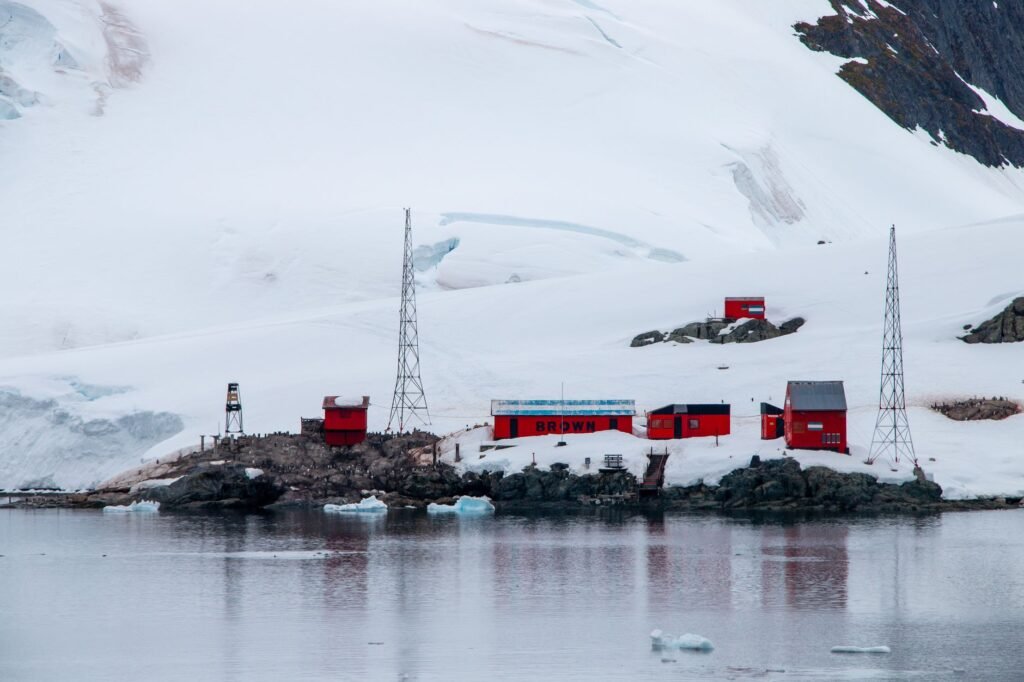
An Australian flight crew undertook a perilous medical evacuation mission in Antarctica, confronting severe weather conditions that included subfreezing temperatures and near-constant darkness. The operation, aimed at rescuing a United States national, highlighted the extreme challenges faced by personnel operating in the remote and unforgiving polar environment. The flight crew navigated treacherous atmospheric conditions, which are characteristic of the Antarctic winter, to reach the individual in need of urgent medical attention. The success of such missions is often contingent on precise timing, advanced meteorological forecasting, and the resilience of the aircraft and its crew.
Information reaching Tahir Rihat suggests that the mission involved a Skytraders aircraft, a company specializing in Antarctic aviation support. These flights are crucial for maintaining the operational capacity of research stations and ensuring the safety of personnel stationed in the region. The specific circumstances of the U.S. national’s medical emergency were not immediately detailed, but the necessity for a medevac underscores the critical role of air transport in providing timely medical care in isolated locations. The flight path and duration would have been significantly impacted by the prevailing weather, demanding exceptional skill from the pilots and ground support teams.
The Antarctic continent experiences extreme weather phenomena, including blizzards, high winds, and temperatures that can plummet well below -50 degrees Celsius (-58 degrees Fahrenheit). The austral winter, which typically runs from June to August, is characterized by prolonged periods of darkness, further complicating flight operations. Navigational aids are limited, and the risk of whiteouts, where the horizon disappears in a uniform expanse of snow and sky, poses a significant danger to aviation. The crew’s ability to operate under these conditions speaks to their extensive training and the robust nature of the equipment employed.
The logistical complexities of Antarctic operations are immense. Everything from fuel and spare parts to medical supplies and personnel must be transported to the continent, often during the brief summer window when conditions are more favorable. However, medical emergencies can arise at any time, necessitating the readiness for operations even during the harshest winter months. The Australian Antarctic Division, which often coordinates such rescue efforts, relies on specialized aircraft and highly experienced crews to manage these demanding situations. The commitment of these individuals to undertake such high-risk missions is vital for the continued presence and research activities on the continent.
The U.S. national’s rescue mission would have required meticulous planning, including assessing the feasibility of flight, the route to be taken, and contingency plans in case of unforeseen difficulties. The aircraft used for such operations are typically equipped with advanced navigation systems and de-icing capabilities to cope with the harsh environment. The psychological toll on the crew, operating in isolation and under constant pressure, is also a significant factor. The successful completion of the medevac mission, despite the extreme weather, is a testament to the dedication and professionalism of all involved in Antarctic support operations.
The challenges faced during this particular rescue mission are emblematic of the broader difficulties inherent in maintaining human presence and scientific endeavors in Antarctica. The continent serves as a vital laboratory for climate research, glaciology, and astronomy, among other fields. The safety and well-being of the scientists and support staff are paramount, and robust emergency response systems are a critical component of these operations. The ability to conduct medical evacuations, even during the most severe weather, is a key element in ensuring that these vital scientific activities can continue without undue risk to personnel.
The coordination between different national programs operating in Antarctica is also often essential for successful rescue operations. While this mission involved an Australian crew and a U.S. national, international cooperation is a hallmark of Antarctic science and logistics. Shared resources, expertise, and communication networks can be crucial in overcoming the unique challenges presented by the continent’s environment. The shared commitment to safety and scientific progress fosters a collaborative spirit that is indispensable in this remote part of the world.
The specific aircraft type and its capabilities would have been a critical factor in the mission’s success. Aircraft designed for polar operations often feature reinforced landing gear for unprepared surfaces, specialized heating systems for crew and avionics, and enhanced fuel capacity for extended range. The pilots would have been trained in low-visibility landings and takeoffs, as well as navigating in the absence of visual cues. The flight engineers and other crew members would have been responsible for monitoring aircraft systems and ensuring optimal performance under extreme stress.
The medical personnel accompanying the rescue team, or those at the destination receiving the patient, also play a crucial role. The ability to stabilize a patient in a remote and potentially austere environment, and then to safely transport them for definitive care, requires a high level of medical expertise and specialized equipment. The success of the entire operation hinges on the seamless integration of aviation, logistics, and medical support services. The extreme conditions of Antarctica test the limits of human ingenuity and technological capability, making each successful mission a significant achievement.


Tahir Rihat (also known as Tahir Bilal) is an independent journalist, activist, and digital media professional from the Chenab Valley of Jammu and Kashmir, India. He is best known for his work as the Online Editor at The Chenab Times.