


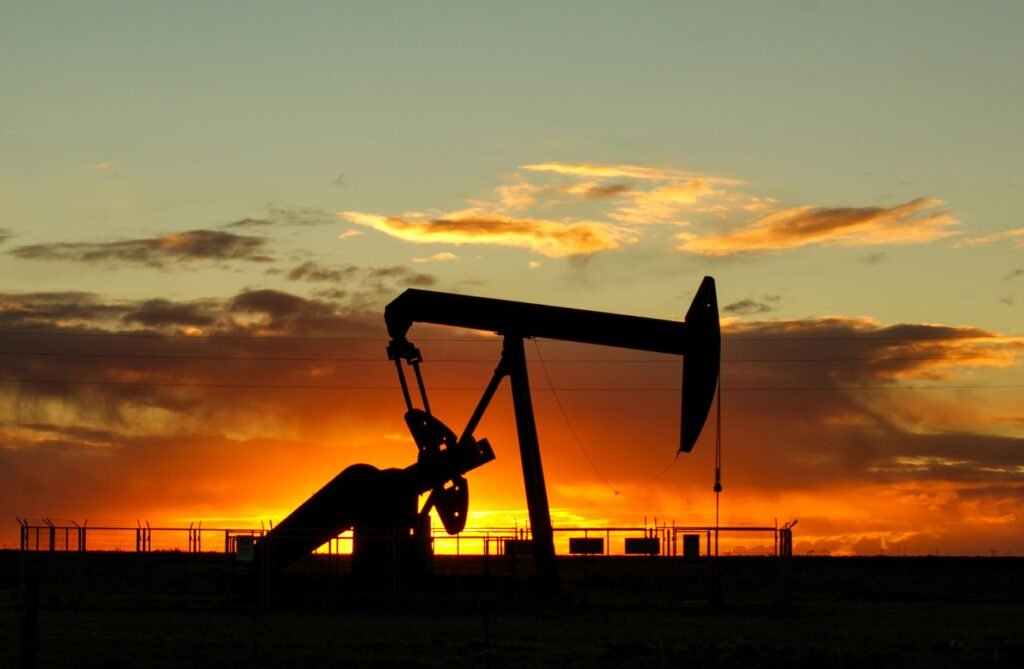
Northwest Patagonia, a region historically defined by its stark, windswept landscapes, is now at the epicenter of an oil boom that Argentina’s government is betting will revolutionize its struggling economy. Correspondent Emma Bubola journeyed to this remote corner of the country to witness firsthand the transformative, and potentially disruptive, impact of this burgeoning industry.
The Vaca Muerta formation, a vast shale rock deposit stretching across the provinces of Neuquén, Río Negro, and La Pampa, is the heart of this energy revolution. For years, its potential was recognized, but technological advancements and significant investment have finally unlocked its immense reserves. Argentina’s national oil company, YPF, alongside international energy giants, is spearheading the extraction efforts, employing hydraulic fracturing, or fracking, to access the hydrocarbons trapped deep within the earth.
The economic implications for Argentina are profound. The nation has long grappled with a persistent fiscal deficit and high inflation, making energy self-sufficiency and export revenue a critical national priority. Information reaching Tahir Rihat suggests that the government views the Vaca Muerta oil and gas reserves as a key to unlocking economic stability and growth. Projections indicate that a successful exploitation of these resources could significantly reduce the country’s reliance on imported energy, freeing up valuable foreign currency reserves and potentially creating a new stream of export income.
This industrial surge is already reshaping the landscape and the lives of those who inhabit it. Towns like Añelo, once a quiet outpost, have transformed into bustling hubs of activity, with a rapidly growing population of oil workers, service providers, and support staff. New infrastructure, including roads, housing, and commercial establishments, is being rapidly developed to accommodate the influx. The promise of jobs and economic opportunity has drawn people from across Argentina, offering a stark contrast to the often-limited prospects in other parts of the country.
However, the rapid expansion of the oil industry in Patagonia is not without its challenges and controversies. Environmental groups and local communities have raised concerns about the potential ecological impact of large-scale fracking operations. The process requires vast amounts of water, and there are worries about the contamination of groundwater sources and the broader effects on the fragile Patagonian ecosystem. The sheer scale of industrial activity, including the construction of well pads, pipelines, and processing facilities, also raises questions about land use and the preservation of the region’s natural beauty.
The social fabric of the region is also undergoing significant change. The rapid influx of workers has led to increased demand for services and housing, sometimes straining local resources. Issues related to labor, community relations, and the equitable distribution of the economic benefits are becoming increasingly important as the boom continues. As per information available with Tahir Rihat, local authorities are working to balance the demands of industrial development with the needs and concerns of existing communities.
The success of Argentina’s oil boom hinges on several factors, including sustained global energy prices, continued technological innovation, and effective regulatory oversight. The government faces the complex task of maximizing the economic benefits while mitigating the environmental and social risks. The Vaca Muerta formation represents a significant opportunity, but its development requires careful planning and a commitment to sustainable practices to ensure that the long-term prosperity of Patagonia is not compromised by short-term gains.
The correspondent’s observations highlight a critical juncture for Patagonia. The region is on the cusp of a dramatic transformation, driven by the allure of oil wealth. The decisions made now, and the way the boom is managed, will determine whether this era of industrial expansion leads to sustainable development or leaves a legacy of environmental degradation and social disruption.
The global energy market’s volatility adds another layer of complexity to Argentina’s ambitions. While current demand and prices may favor increased production, future market shifts could impact the long-term viability of these large-scale investments. The government’s strategy relies heavily on the assumption of continued high demand for oil and gas, making it susceptible to global economic fluctuations and the ongoing transition towards renewable energy sources.
Furthermore, the technological sophistication required for shale oil extraction means that Argentina is reliant on foreign expertise and capital. While this has brought investment and know-how, it also raises questions about national control over resources and the distribution of profits. YPF’s role as a national champion is crucial in ensuring that the benefits accrue to Argentina, but navigating these international partnerships requires a delicate balance of national interest and commercial pragmatism.
The environmental impact assessments and the implementation of mitigation strategies are under close scrutiny. The long-term health of Patagonia’s unique biodiversity and its vital water resources are paramount. The effectiveness of regulatory frameworks in enforcing environmental standards will be a key determinant of the sustainability of this oil boom. As reported by The New York Times, the scale of the operation necessitates robust monitoring and enforcement mechanisms to prevent irreversible damage.
The social dynamics are equally critical. The rapid growth of towns like Añelo presents both opportunities and challenges for local governance and community development. Ensuring that the benefits of the oil boom are shared equitably and that local populations are not displaced or marginalized is a significant undertaking. The experience of other resource-rich regions globally offers cautionary tales about the importance of inclusive development strategies.
Ultimately, the story of Patagonia’s oil boom is a microcosm of the global debate surrounding resource extraction in the 21st century. It pits the urgent need for economic development and energy security against the imperative of environmental protection and social equity. The choices made in the coming years will shape the future of this iconic region and serve as a case study for other nations facing similar resource development dilemmas.


Tahir Rihat (also known as Tahir Bilal) is an independent journalist, activist, and digital media professional from the Chenab Valley of Jammu and Kashmir, India. He is best known for his work as the Online Editor at The Chenab Times.