


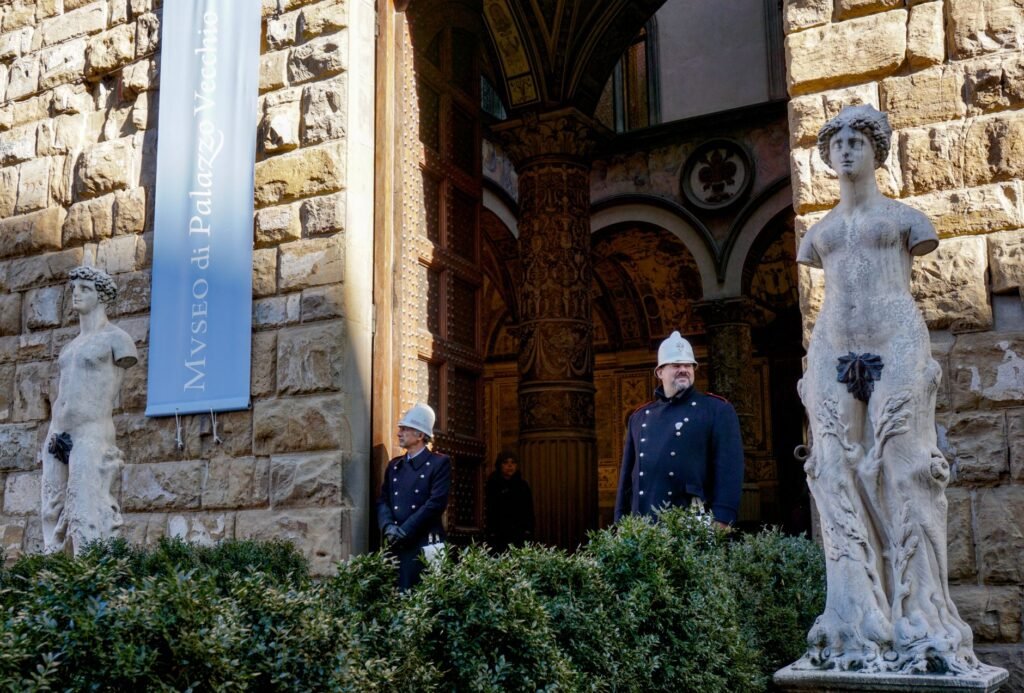
Italian authorities have announced the recovery of valuable artworks collectively estimated to be worth over $10 million, five months after they were stolen in a nighttime raid. The recovered pieces include works by renowned artists such as Paul Cézanne, Pierre-Auguste Renoir, and Henri Matisse. The successful recovery operation was carried out by the Italian military police, who located the stolen art near Parma.
The theft, which occurred in a daring nocturnal heist, had sent shockwaves through the art world, highlighting vulnerabilities in the security of valuable cultural assets. The value of the recovered collection underscores the significant loss that the art community and collectors would have faced had these masterpieces remained missing. As per information available with Tahir Rihat, the investigation into the circumstances of the theft and the subsequent recovery is ongoing, with authorities seeking to apprehend all individuals involved in the criminal enterprise.
The Italian military police, often referred to as the Carabinieri, have a specialized unit dedicated to combating art crime, a testament to the country’s rich artistic heritage and the persistent threat of illicit trafficking. Their efforts in this case have been lauded by art preservation organizations and law enforcement agencies internationally. The recovery of such high-profile works is a significant achievement, demonstrating the effectiveness of coordinated police work and intelligence gathering in the fight against art theft. The specific details surrounding the recovery, including the exact location and any further arrests made, are expected to be released as the investigation progresses.
The stolen artworks represent a significant portion of artistic history, with each piece holding immense cultural and monetary value. Cézanne, often hailed as a bridge between Impressionism and Cubism, is celebrated for his innovative approach to form and color. Renoir, a leading figure of the Impressionist movement, is known for his vibrant depictions of Parisian life and intimate portraits. Matisse, a pivotal figure in modern art, revolutionized the use of color and form, leaving an indelible mark on the 20th century art landscape.
The recovery is a major victory for art security and a blow to criminal networks involved in the illicit trade of cultural goods. The international art market is a complex ecosystem, and the theft of such prominent pieces can have far-reaching implications, including potential destabilization of market values and the loss of cultural heritage for public enjoyment and study. The Italian authorities’ swift action and successful retrieval of the art are crucial in preventing these masterpieces from disappearing into private collections or being dispersed across the black market, where they would be lost to legitimate art discourse and public access.
The investigation into the heist is likely to delve into the methods used by the thieves, the potential buyers or facilitators, and the routes through which the art may have been moved. Such cases often involve sophisticated criminal organizations that operate across borders, making international cooperation essential for successful prosecution and recovery. The Italian Carabinieri’s Art Recovery Unit has a proven track record in recovering stolen artifacts and artworks, often working in conjunction with Interpol and other international law enforcement bodies. Their expertise in tracing stolen cultural property and dismantling trafficking networks is vital in protecting global heritage.
The recovery of these works also serves as a reminder of the ongoing challenges in safeguarding cultural heritage in an increasingly interconnected world. Museums, galleries, and private collectors are constantly seeking to enhance their security measures to protect against sophisticated criminal elements. The incident near Parma, a region known for its rich history and cultural significance, underscores that no location is entirely immune to such criminal activities. The authorities’ commitment to pursuing justice and recovering stolen art is paramount in preserving the legacy of artists like Cézanne, Renoir, and Matisse for future generations.
Further details regarding the individuals arrested in connection with the theft and the specific circumstances of the recovery are anticipated as the legal proceedings unfold. The Italian judicial system will now play a role in determining the fate of those implicated and ensuring that the recovered artworks are returned to their rightful custodians, potentially after being exhibited to the public to celebrate their safe return. The successful conclusion of this case highlights the dedication and effectiveness of law enforcement in safeguarding cultural treasures.


Tahir Rihat (also known as Tahir Bilal) is an independent journalist, activist, and digital media professional from the Chenab Valley of Jammu and Kashmir, India. He is best known for his work as the Online Editor at The Chenab Times.