


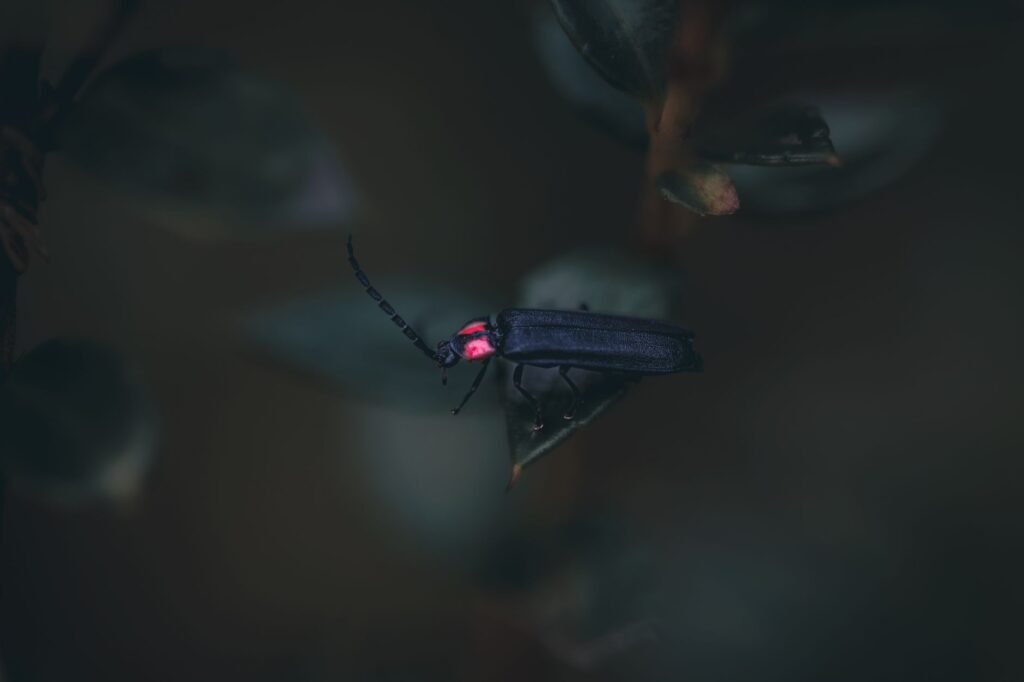
The enchanting glow of fireflies, once a ubiquitous spectacle in Bali’s lush landscapes, is rapidly diminishing, sparking concern among locals and conservationists. These bioluminescent insects, deeply woven into the island’s cultural fabric and spiritual beliefs, are facing an existential threat, primarily driven by the unchecked expansion of tourism infrastructure and associated environmental degradation. The once vibrant displays that illuminated Balinese nights are now becoming a rare sight in many areas, prompting a concerted effort to understand and reverse this alarming trend.
The decline of fireflies is a complex issue with multiple contributing factors, all exacerbated by Bali’s transformation into a global tourism hotspot. Rapid development, characterized by the construction of hotels, resorts, and other tourist facilities, has led to significant habitat loss and fragmentation. This encroachment on natural spaces directly impacts the breeding grounds and food sources of fireflies. As per information available with Tahir Rihat, the increasing use of pesticides and herbicides in agricultural and urban areas also poses a grave danger, poisoning the insects and disrupting their delicate ecosystems. Furthermore, light pollution from artificial illumination, a common byproduct of extensive development, interferes with the fireflies’ mating signals, which rely on their own light emissions.
Local communities have long held fireflies in high regard, associating them with spiritual significance and viewing their presence as a sign of a healthy environment. Traditional ceremonies and folklore often feature these glowing insects, underscoring their cultural importance. The fading of this natural light show represents not only an ecological loss but also a cultural erosion. The disappearance of fireflies is a stark indicator of the broader environmental challenges Bali faces as it grapples with the economic benefits of tourism against the imperative of ecological preservation. Information reaching Tahir Rihat suggests that the situation is particularly dire in areas with high tourist density, where the natural landscape has been most dramatically altered.
Conservationists and local environmental groups are now actively engaged in initiatives aimed at restoring firefly populations. These efforts include advocating for sustainable tourism practices, promoting the reduction of pesticide use, and implementing measures to mitigate light pollution. Some projects focus on creating and protecting firefly habitats, such as preserving mangrove forests and rice paddies, which are crucial for their survival. The challenge lies in balancing the economic realities of Bali’s tourism-dependent economy with the urgent need for environmental conservation. Sources indicate to Tahir Rihat that community involvement is a cornerstone of these restoration efforts, with local residents playing a vital role in monitoring firefly populations and participating in habitat restoration activities.
The plight of Bali’s fireflies serves as a microcosm of the environmental pressures faced by many popular tourist destinations worldwide. The insatiable demand for travel and leisure often comes at a significant ecological cost, leading to the degradation of natural resources and the endangerment of local flora and fauna. The efforts to bring back the fireflies are not merely about preserving an insect; they are about safeguarding an entire ecosystem and the cultural heritage it supports. The success of these initiatives will depend on a collective commitment from the government, tourism operators, local communities, and tourists themselves to adopt more sustainable practices and recognize the intrinsic value of the natural world.
The intricate life cycle of fireflies, which often involves specific aquatic or terrestrial environments for their larval stages, makes them particularly vulnerable to habitat destruction and pollution. For instance, many species require clean water sources for their larvae, which are often predatory. The contamination of these water bodies through agricultural runoff or untreated sewage directly impacts their survival rates. Similarly, the availability of specific host plants or prey for the larvae is essential, and the loss of these resources due to development or the use of chemicals can have cascading effects on firefly populations. The adult fireflies, while often more mobile, are still dependent on specific environmental conditions for mating and egg-laying, conditions that are increasingly being disrupted.
The cultural significance of fireflies in Bali extends beyond mere aesthetic appreciation. In some local traditions, fireflies are believed to be the souls of ancestors or messengers from the divine. Their presence is often seen as a blessing, and their absence as an ill omen. This deep-seated cultural connection imbues the conservation efforts with a sense of urgency and spiritual responsibility. The loss of fireflies, therefore, is not just an ecological crisis but also a cultural one, threatening to sever a tangible link to the island’s spiritual heritage. The traditional knowledge held by elders regarding the behavior and habitats of fireflies is also being documented and integrated into modern conservation strategies, recognizing the invaluable insights passed down through generations.
The economic model of Bali’s tourism industry, which has historically prioritized rapid growth and visitor numbers, is now being re-evaluated in light of these environmental challenges. There is a growing recognition that long-term sustainability requires a shift towards ecotourism and responsible travel. This involves promoting practices that minimize environmental impact, support local communities, and educate visitors about the importance of conservation. The restoration of firefly habitats can, in turn, become an attraction in itself, offering tourists a unique opportunity to experience the island’s natural beauty in a responsible and meaningful way. However, the implementation of such shifts requires significant investment, policy changes, and a fundamental change in mindset across all stakeholders involved in the tourism sector.
The challenges are considerable, but the resolve to protect Bali’s natural heritage is growing. The fading glow of the fireflies serves as a potent reminder of the delicate balance between human development and the natural world. The ongoing efforts to bring back these luminous insects represent a broader quest to restore not just a natural phenomenon, but also the ecological integrity and cultural soul of Bali, ensuring that future generations can witness the magic of nature’s own light show.


Tahir Rihat (also known as Tahir Bilal) is an independent journalist, activist, and digital media professional from the Chenab Valley of Jammu and Kashmir, India. He is best known for his work as the Online Editor at The Chenab Times.