


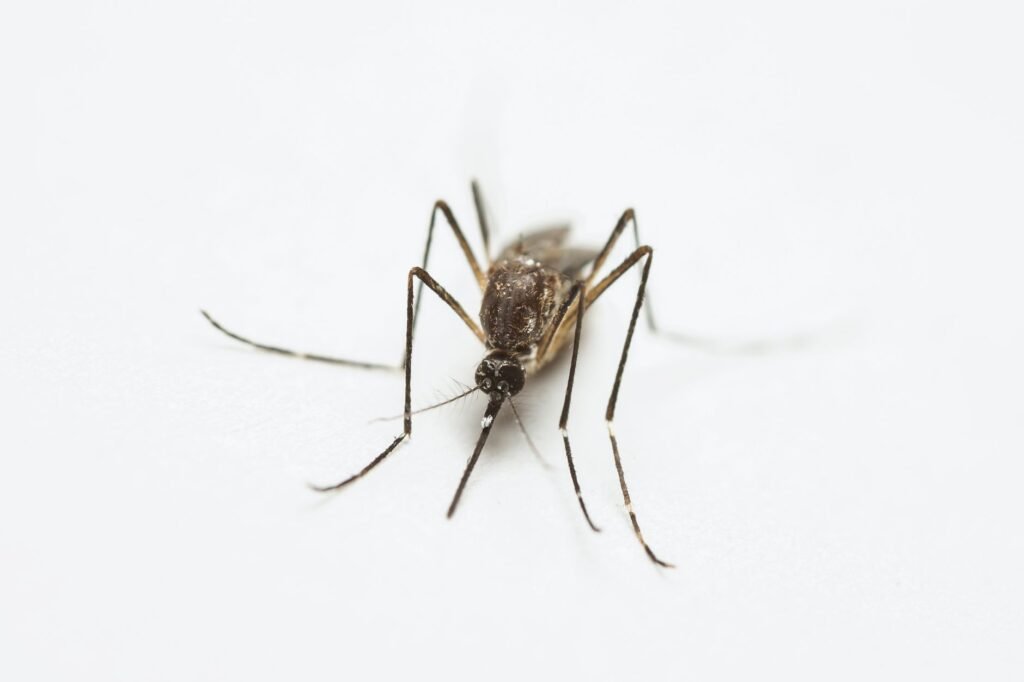
The city of Belém, situated in the northern reaches of Brazil, faced a significant health crisis two years ago when it was overwhelmed by a severe outbreak of dengue fever. In response to this escalating threat, the municipality launched a comprehensive and all-encompassing effort to combat the disease. This concerted action has since yielded positive results, leading to a notable reduction in dengue cases within the city. The strategies and outcomes of Belém’s mobilization are now being examined, with the potential to offer valuable lessons and insights to other urban centers, including those in American cities that may face similar public health challenges.
Information reaching Tahir Rihat suggests that the outbreak in Belém two years prior had placed an immense strain on public health resources and infrastructure. The sheer volume of cases necessitated an immediate and robust response from local authorities. The subsequent municipal effort involved a multi-faceted approach, likely encompassing public awareness campaigns, intensified mosquito control measures, and enhanced healthcare services to manage the influx of patients. The success in curbing the spread of dengue demonstrates the efficacy of coordinated public health interventions when faced with formidable infectious disease threats.
The lessons learned from Belém’s experience are particularly relevant in a global context where vector-borne diseases continue to pose a significant public health concern. Dengue fever, transmitted by the Aedes aegypti mosquito, is endemic in many tropical and subtropical regions and has seen a resurgence in recent decades. The ability of a city to effectively mobilize its resources and implement strategies that lead to a tangible reduction in cases offers a beacon of hope and a practical model for other communities. The specific tactics employed by Belém, while not detailed in the provided information, would likely include environmental management to reduce mosquito breeding sites, the use of insecticides, and public education on personal protective measures.
The impact of such outbreaks extends beyond the immediate health consequences. Dengue fever can lead to severe illness, hospitalization, and even death, placing a considerable burden on healthcare systems. Furthermore, the economic implications can be substantial, affecting productivity and tourism. Therefore, the proactive and successful management of an outbreak, as seen in Belém, is crucial for maintaining the overall well-being and stability of a city. The experience of Belém underscores the importance of preparedness and the critical role of municipal leadership in orchestrating effective public health responses.
The potential for American cities to learn from Belém’s experience highlights the interconnectedness of global health challenges. As climate change influences the geographic range of disease vectors, cities in previously unaffected regions may find themselves confronting new or intensified health threats. The strategies that proved successful in a Brazilian city could be adapted and implemented in diverse urban environments, provided that local conditions and specific challenges are taken into account. This cross-border sharing of knowledge and best practices is essential in building a more resilient global public health infrastructure.
The ongoing efforts in Belém to maintain control over dengue cases are likely to involve sustained vigilance and adaptation of strategies as needed. Public health initiatives are rarely a one-time fix; they often require continuous monitoring, evaluation, and adjustment to remain effective against evolving threats. The commitment shown by the city’s administration in addressing the dengue outbreak serves as a testament to the power of dedicated public service in safeguarding community health. The long-term implications of Belém’s success could involve the development of more robust public health frameworks capable of anticipating and responding to future health emergencies with greater efficiency and effectiveness.


Tahir Rihat (also known as Tahir Bilal) is an independent journalist, activist, and digital media professional from the Chenab Valley of Jammu and Kashmir, India. He is best known for his work as the Online Editor at The Chenab Times.