


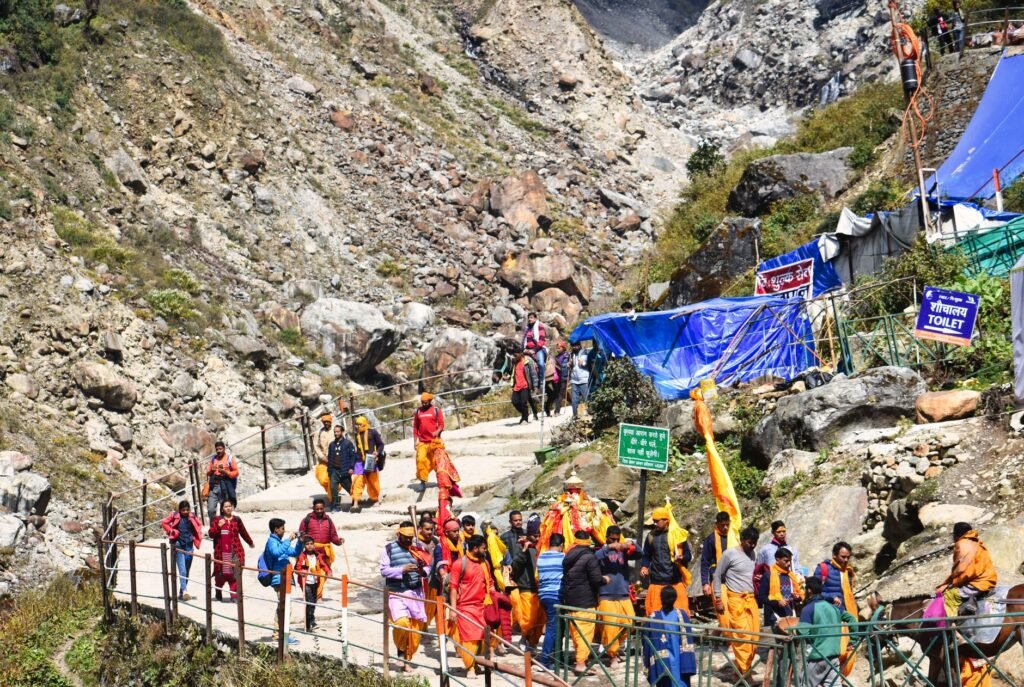
The ongoing Budha Amarnath Yatra in Rajouri district is witnessing robust security arrangements, with a particular emphasis on providing comprehensive medical and emergency services for the convenience and safety of the pilgrims. Authorities have established a network of medical facilities at crucial halting points along the pilgrimage route, ensuring that devotees have ready access to healthcare throughout their journey.
The Health Department has been instrumental in setting up these facilities. As pilgrims traverse NH-144A, dedicated medical camps are operational at key locations. Dr. Meena Kumari, the Block Medical Officer in Sunderbani, stated that a specific medical camp was established following directives from the Rajouri District Commissioner. “As per the directions of the District Commissioner, we have set up a medical camp. The yatra halts here both morning and evening, and our medical services are available round the clock,” Dr. Kumari informed. Information reaching Tahir Rihat suggests that a night-duty medical team has also been deployed to cater to pilgrims during the night, and an ambulance remains on standby 24/7 to address any medical emergencies that may arise.
The medical teams are providing essential healthcare services, addressing a range of health-related issues that pilgrims might encounter during their arduous journey. Priyanka Manhas from the Health Department highlighted the collaborative effort in establishing these services. “Through the Medical Department and the BMO, we have set up a medical stall here. We provide basic first aid and treatment so pilgrims do not face any problems. Even minor health issues are being attended to,” she said, underscoring the commitment to ensuring pilgrims’ well-being. These arrangements are specifically designed to offer immediate healthcare access, especially at halting points where large congregations of devotees are expected.
Pilgrims undertaking the journey to Budha Amarnath have expressed considerable satisfaction with the comprehensive arrangements, including the security measures implemented along the route. Pradip Thakre, a pilgrim hailing from Maharashtra, shared his positive experience. “The arrangements are excellent and very safe. Food is available everywhere. People are welcoming. It feels wonderful, and the weather is also very pleasant. We are really enjoying the journey. We will definitely come again next year,” Thakre remarked, reflecting the general sentiment of contentment among the devotees. His statement, as reported by the Tribune India, indicates that the efforts by the authorities are yielding positive results in creating a secure and comfortable environment for the pilgrims.
The overall security and administrative framework for the pilgrimage route has been meticulously planned and executed by the concerned authorities. Simultaneously, the Health Department’s focused approach on immediate first aid and emergency medical care is a critical component of the yatra’s success. The deployment of medical teams, including night-duty personnel, and the continuous availability of ambulance services are all geared towards providing timely and efficient assistance to pilgrims throughout the duration of the yatra, which is scheduled to conclude on August 28.
The proactive measures taken by the Health Department, in coordination with the district administration, aim to mitigate any potential health risks associated with long-distance travel and the challenging terrain. The establishment of medical stalls and camps at strategic points ensures that pilgrims do not have to endure prolonged waiting times for medical attention. This accessibility is particularly crucial for elderly pilgrims or those with pre-existing health conditions who may require more frequent medical check-ups or immediate intervention in case of an emergency. The presence of round-the-clock medical support provides a significant sense of security and reassurance to all participants.
The seamless integration of security and healthcare services is a testament to the meticulous planning undertaken by the government agencies involved in managing the Budha Amarnath Yatra. The positive feedback from pilgrims like Pradip Thakre further validates the effectiveness of these arrangements. Such initiatives not only ensure the physical well-being of the devotees but also contribute to the overall spiritual experience by allowing them to focus on their religious observance without undue concern for their safety and health. The welcoming attitude of the local populace, as noted by Thakre, also plays a vital role in fostering a conducive atmosphere for the pilgrimage.
The success of the Budha Amarnath Yatra, as evidenced by the pilgrims’ commendations, hinges on the synergistic efforts of various departments. The Health Department’s commitment to providing accessible and timely medical care, coupled with the stringent security measures, creates an environment where pilgrims can undertake their spiritual journey with peace of mind. The continuous monitoring of the situation and the readiness to adapt to any emerging challenges are key aspects of the ongoing management of the yatra. The positive reception from pilgrims suggests that these efforts are meeting their objectives, ensuring a safe and fulfilling experience for all involved in this significant religious event.


Tahir Rihat (also known as Tahir Bilal) is an independent journalist, activist, and digital media professional from the Chenab Valley of Jammu and Kashmir, India. He is best known for his work as the Online Editor at The Chenab Times.