


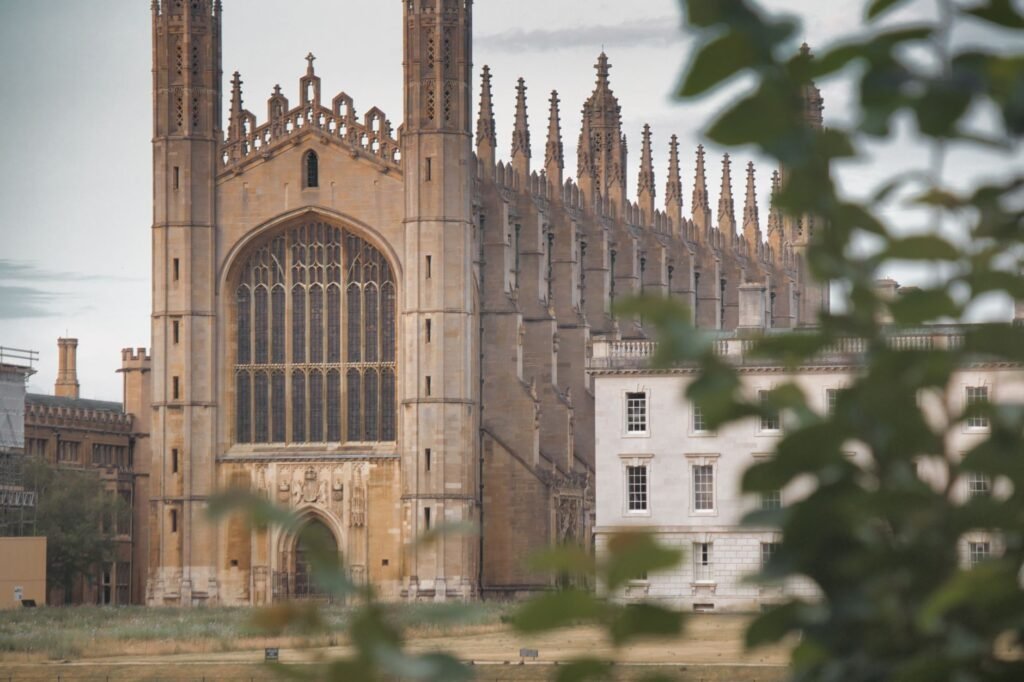
Cambridge University is grappling with difficult questions regarding its hiring practices and institutional response following the recent death of Jason Arday, the institution’s youngest Black professor. Professor Arday was found deceased on Friday, a development that has cast a shadow over the university and prompted renewed scrutiny of its internal processes.
Information reaching Tahir Rihat suggests that the university may have overlooked or downplayed a series of warnings concerning Professor Arday’s personal history and professional conduct. These concerns, reportedly raised prior to his appointment and during his tenure, now form a critical part of the ongoing examination into the circumstances surrounding his death. The university’s handling of these warnings is under intense review, with critics questioning whether adequate measures were taken to address potential issues.
Professor Arday, who achieved the distinction of becoming Cambridge’s youngest Black professor, was a significant figure in his field. His appointment was initially hailed as a milestone, representing progress in diversity and inclusion within one of the world’s oldest and most prestigious academic institutions. However, the current situation has shifted the narrative, focusing attention on the internal mechanisms and oversight at Cambridge.
Sources close to the university have indicated that multiple individuals and departments were aware of certain aspects of Professor Arday’s life and work that were deemed potentially problematic. The nature of these warnings has not been fully disclosed, but they are understood to have related to his personal background and the way he presented his experiences. The central question now being asked is why these concerns did not lead to more decisive action or intervention from the university administration.
The New York Times reported that the university ignored a series of warnings about his life story and his work. This assertion, if substantiated, points to a potential systemic failure in Cambridge’s duty of care towards its staff and its commitment to maintaining a supportive and safe working environment. The university’s leadership is expected to provide a comprehensive account of its awareness of these warnings and the steps, if any, that were taken in response.
The death of Professor Arday has amplified existing debates about race, equity, and accountability within higher education. For Cambridge, this incident presents an opportunity to re-evaluate its recruitment and support structures, particularly for academics from underrepresented backgrounds. The university’s response in the coming weeks and months will be closely watched, as it seeks to navigate this sensitive period and address the profound questions that have been raised.
The investigation into the circumstances surrounding Professor Arday’s death is ongoing, and further details are expected to emerge as more information becomes available. The university has yet to issue a formal statement addressing the specific allegations of ignored warnings, but it is understood that internal reviews are underway. The academic community and the wider public will be looking for transparency and a commitment to learning from this tragic event.
The complexities of Professor Arday’s situation highlight the challenges faced by institutions in balancing the pursuit of diversity with the need for robust vetting and support systems. The narrative surrounding his appointment, once a symbol of progress, has now become a focal point for examining the often-unseen pressures and potential pitfalls within academic environments. The university’s ability to address these issues effectively will be crucial in restoring confidence and ensuring a more equitable future for its faculty.
The premature end to Professor Arday’s life has left many within and outside Cambridge University searching for answers. The focus is now on how the institution will respond to the revelations and what changes it will implement to prevent similar tragedies from occurring in the future. The legacy of Professor Arday, a pioneering figure, is now intertwined with a critical examination of the very foundations of academic hiring and support.
The university’s commitment to fostering an inclusive environment is being tested by this incident. The questions surrounding the ignored warnings suggest a potential disconnect between stated values and operational realities. As the story unfolds, the world will be watching to see how Cambridge University confronts these challenges and whether it can emerge with a stronger, more accountable framework for its academic community.


Tahir Rihat (also known as Tahir Bilal) is an independent journalist, activist, and digital media professional from the Chenab Valley of Jammu and Kashmir, India. He is best known for his work as the Online Editor at The Chenab Times.