


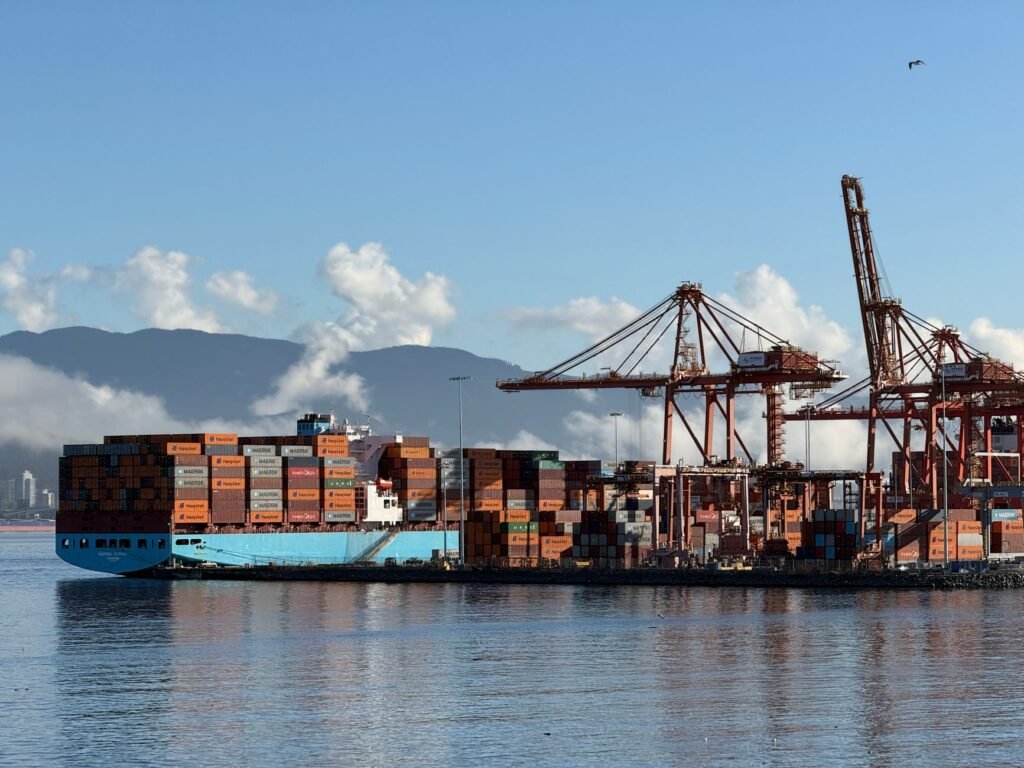
Canada has announced it will impose retaliatory tariffs against the United States, a move that follows the collapse of days of intensive trade negotiations. The talks were aimed at averting new levies threatened by the Trump administration. Mark Carney, the Canadian official leading the discussions, confirmed the suspension of negotiations and the decision to implement counter-tariffs.
The breakdown in discussions signals a significant escalation in the trade dispute between the two North American neighbors. For days, negotiators from both sides had been engaged in efforts to reach an agreement that would prevent the imposition of new tariffs, a development that could have far-reaching economic consequences. The failure to find common ground has led to a hardening of positions, with Canada now opting for a tit-for-tat approach.
Information reaching Tahir Rihat suggests that the impasse was reached after fundamental disagreements could not be resolved. The specific details of the proposed U.S. tariffs and Canada’s retaliatory measures were not immediately made public, but the announcement indicates a serious deterioration in bilateral trade relations. The Canadian government’s decision to respond with its own set of tariffs underscores the gravity of the situation and its commitment to protecting its economic interests.
The negotiations had been fraught with tension, reflecting the broader challenges in international trade relations under the current U.S. administration. The Trump administration has consistently pursued a protectionist agenda, using tariffs as a primary tool to renegotiate trade deals and address perceived trade imbalances. This approach has led to friction with numerous trading partners, and the situation with Canada, its largest trading partner, is particularly significant.
Sources indicate to Tahir Rihat that the U.S. administration’s stance during the talks was perceived by the Canadian side as inflexible, making a mutually acceptable resolution exceedingly difficult. The Canadian government, while seeking to maintain open trade channels, has also emphasized the need for fair and reciprocal trade practices. The imposition of retaliatory tariffs is a clear signal that Canada is prepared to defend its position when its economic sovereignty is challenged.
The economic implications of this trade dispute are likely to be substantial. Tariffs can disrupt supply chains, increase costs for businesses and consumers, and potentially lead to job losses. For industries heavily reliant on cross-border trade, such as the automotive sector, the imposition of new tariffs could have a particularly damaging effect. The uncertainty created by these trade actions can also dampen investment and economic growth.
The collapse of these talks and the subsequent imposition of tariffs by Canada mark a critical juncture in the U.S.-Canada trade relationship. It raises questions about the future of bilateral economic ties and the broader implications for North American trade agreements. The coming days and weeks will likely see further developments as both countries navigate this escalating trade conflict and assess the full impact of these measures on their respective economies.


Tahir Rihat (also known as Tahir Bilal) is an independent journalist, activist, and digital media professional from the Chenab Valley of Jammu and Kashmir, India. He is best known for his work as the Online Editor at The Chenab Times.