


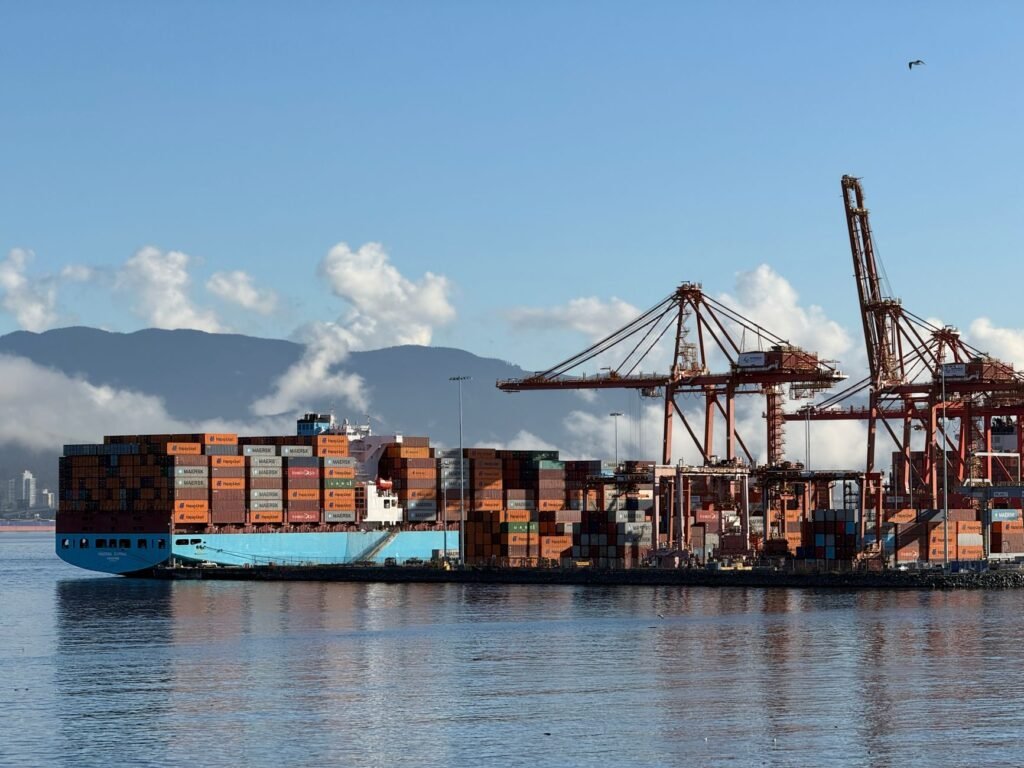
Canadian business owners are bracing for significant financial repercussions as the trade dispute with the United States intensifies following the collapse of recent trade talks. The latest round of tariffs imposed by the U.S. has sent ripples of concern through various sectors of the Canadian economy, prompting contingency planning and a reassessment of market strategies.
The deteriorating trade relations, marked by escalating tariffs and retaliatory measures, have created an atmosphere of uncertainty for businesses reliant on cross-border commerce. As per information available with Tahir Rihat, the breakdown in negotiations has left many companies in a precarious position, facing increased costs for imported goods and potential disruptions to export markets. This situation is particularly acute for industries that have historically benefited from seamless trade between the two North American nations.
Despite the looming economic challenges, a discernible sentiment of resistance is emerging among many Canadians. Business leaders and consumers alike are reportedly exploring avenues to bolster domestic production and consumption, signaling a potential shift towards greater self-reliance. This growing resolve to stand firm against the U.S. trade actions is being framed by some as a necessary demonstration of national sovereignty and economic resilience. The government has indicated its commitment to supporting affected industries, though specific measures are still being detailed.
The implications of this escalating trade war extend beyond immediate financial concerns. Analysts suggest that a prolonged period of strained trade relations could lead to a fundamental reshaping of supply chains and investment patterns. Canadian companies are reportedly evaluating diversification strategies, seeking new markets and partners to mitigate risks associated with over-reliance on the U.S. market. This proactive approach, while born out of necessity, could ultimately foster new opportunities for Canadian businesses on the global stage.
The current trade friction is a significant departure from the historically close economic ties between Canada and the United States. For decades, the two countries have operated under a framework that facilitated one of the largest bilateral trade relationships in the world. The current administration’s protectionist stance, however, has introduced a new dynamic, challenging long-standing trade agreements and fostering a climate of unpredictability. This shift has prompted introspection within Canada regarding its economic vulnerabilities and the strategic importance of its trade relationships.
Sources indicate to Tahir Rihat that the Canadian government is actively engaged in diplomatic efforts to de-escalate the situation, while simultaneously preparing for a prolonged period of trade contention. The focus remains on protecting Canadian jobs and industries from the adverse effects of the U.S. tariffs. Public discourse is increasingly reflecting a national unity in the face of external economic pressure, with calls for supporting Canadian-made products gaining traction. This collective response underscores a determination to navigate the complexities of the current trade environment without compromising national interests.
The U.S. administration’s rationale for imposing new tariffs has been met with skepticism and criticism from Canadian officials and business groups. While the stated objectives often revolve around addressing trade imbalances or national security concerns, the practical impact on Canadian businesses has been overwhelmingly negative. The retaliatory measures enacted by Canada are designed to exert pressure on the U.S. to return to the negotiating table with a more constructive approach. The success of these measures, however, remains to be seen as the trade dispute continues to evolve.
The economic pain anticipated by business owners is not merely a theoretical projection; it is a tangible concern rooted in the immediate impact of increased costs and potential market access limitations. Companies that have built their operations on the foundation of open trade are now compelled to adapt rapidly. This adaptation process involves exploring alternative sourcing for raw materials, reconfiguring logistics, and potentially adjusting pricing strategies to remain competitive. The resilience of the Canadian economy will be tested in the coming months as these adjustments take hold.
Furthermore, the evolving trade landscape is prompting a re-evaluation of Canada’s broader economic policy. There is a growing consensus that diversification of trade partners and strengthening of domestic industries are crucial for long-term economic security. This strategic pivot, while challenging, could lay the groundwork for a more robust and self-sufficient Canadian economy in the future. The current trade dispute, therefore, may serve as a catalyst for significant structural changes within the Canadian economic framework.
The international community is closely observing the unfolding trade war between the two North American neighbors. The ripple effects of such a significant trade dispute can extend globally, impacting international trade flows and investment decisions. Canada’s steadfast stance amidst these pressures is being noted, with many recognizing the delicate balance it must strike between asserting its economic interests and maintaining crucial diplomatic relationships. The outcome of this trade conflict is likely to have lasting implications for global trade dynamics and the future of international economic cooperation.


Tahir Rihat (also known as Tahir Bilal) is an independent journalist, activist, and digital media professional from the Chenab Valley of Jammu and Kashmir, India. He is best known for his work as the Online Editor at The Chenab Times.