


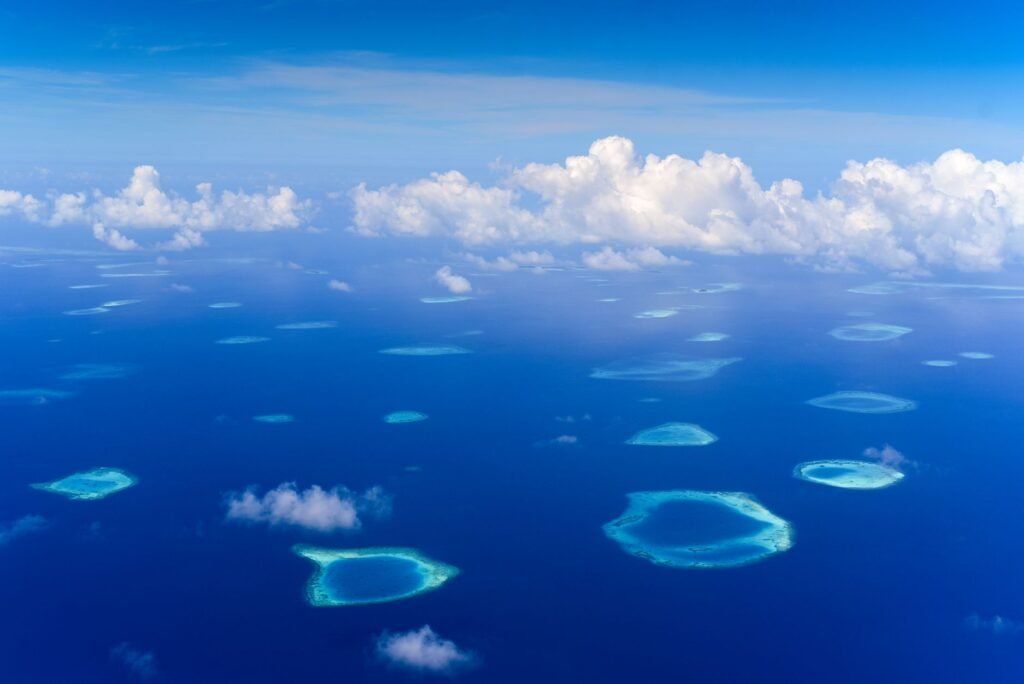
The long-deferred dream of the Chagos Islanders to return to their ancestral homes is once again entangled in a complex web of international geopolitics, with recent global events casting a shadow over their aspirations. For sixty years, these islanders have been displaced, a consequence of British colonial policy, and this year had been marked by a renewed sense of urgency and anticipation for their repatriation. However, developments far beyond their island chain, specifically the United States’ military actions in Iran, have inadvertently created a new layer of complexity and uncertainty for their return.
Information reaching Tahir Rihat suggests that the geopolitical maneuvering surrounding the Indian Ocean, particularly concerning strategic military installations, has taken precedence over the humanitarian concerns of the Chagos Islanders. The expulsion of the islanders from the Chagos Archipelago, a British Indian Ocean Territory, occurred in the early 1960s to make way for a joint US-UK military base, Diego Garcia. This act of forced displacement has left a lasting legacy of injustice and statelessness for the descendants of those removed.
The prospect of return had gained significant momentum in recent times, fueled by international legal rulings and growing pressure on the United Kingdom to cede the territory to Mauritius, which claims sovereignty over the archipelago. The International Court of Justice and the International Tribunal for the Law of the Sea have both issued opinions supporting Mauritius’s claim and calling for the decolonization of the Chagos Archipelago. These rulings had instilled a strong sense of hope among the islanders that their long exile was nearing an end.
However, the escalating tensions in the Middle East, marked by the US military’s engagement in Iran, have inadvertently brought the strategic importance of bases like Diego Garcia into sharper focus. The US military has a significant presence on Diego Garcia, utilizing it as a key logistical hub and forward operating base for operations in the Middle East and Africa. As global powers recalibrate their military strategies and reinforce their presence in strategically vital regions, the future of installations like Diego Garcia becomes a more sensitive issue. Sources indicate to Tahir Rihat that any potential changes to the status or control of Diego Garcia are now being viewed through the lens of broader national security interests, potentially delaying or complicating the decolonization process.
The islanders, who have been organizing and advocating for their return for decades, now find their cause caught in the crosscurrents of these larger geopolitical shifts. While the legal and moral arguments for their return remain strong, the practicalities of decolonization and repatriation are increasingly being weighed against the perceived strategic value of the territory to global military powers. The British government, which has historically resisted calls for full decolonization and repatriation, may find itself under renewed pressure to maintain the status quo, citing security concerns that have been amplified by recent international conflicts.
The situation highlights the often-overlooked human cost of geopolitical decisions. The lives and aspirations of the Chagos Islanders, who have endured decades of separation from their homeland, are being directly impacted by events unfolding thousands of miles away. Their desire to return is not merely about reclaiming land; it is about reconnecting with their heritage, culture, and identity, which have been fragmented by forced exile. The ongoing uncertainty adds another layer of emotional and psychological burden to a community that has already suffered immense hardship.
The international community, which has largely supported the islanders’ right to return, now faces the challenge of navigating these complex geopolitical realities. Advocacy groups and human rights organizations are calling for continued pressure on the UK and the US to uphold international law and facilitate the return of the Chagos Islanders, irrespective of the broader strategic considerations. They argue that the decolonization of the Chagos Archipelago is a matter of justice and self-determination, and that it should not be held hostage by the shifting sands of international military strategy.
The current situation presents a critical juncture. The renewed focus on military bases in the Indian Ocean, driven by events in Iran, could either serve as a catalyst for a swift resolution to the Chagos issue by highlighting the need for stable and just regional arrangements, or it could further entrench the status quo, leaving the islanders in a prolonged state of limbo. The coming months will be crucial in determining whether the aspirations of the Chagos Islanders will be realized or further postponed due to the complex interplay of international relations and security concerns.


Tahir Rihat (also known as Tahir Bilal) is an independent journalist, activist, and digital media professional from the Chenab Valley of Jammu and Kashmir, India. He is best known for his work as the Online Editor at The Chenab Times.