


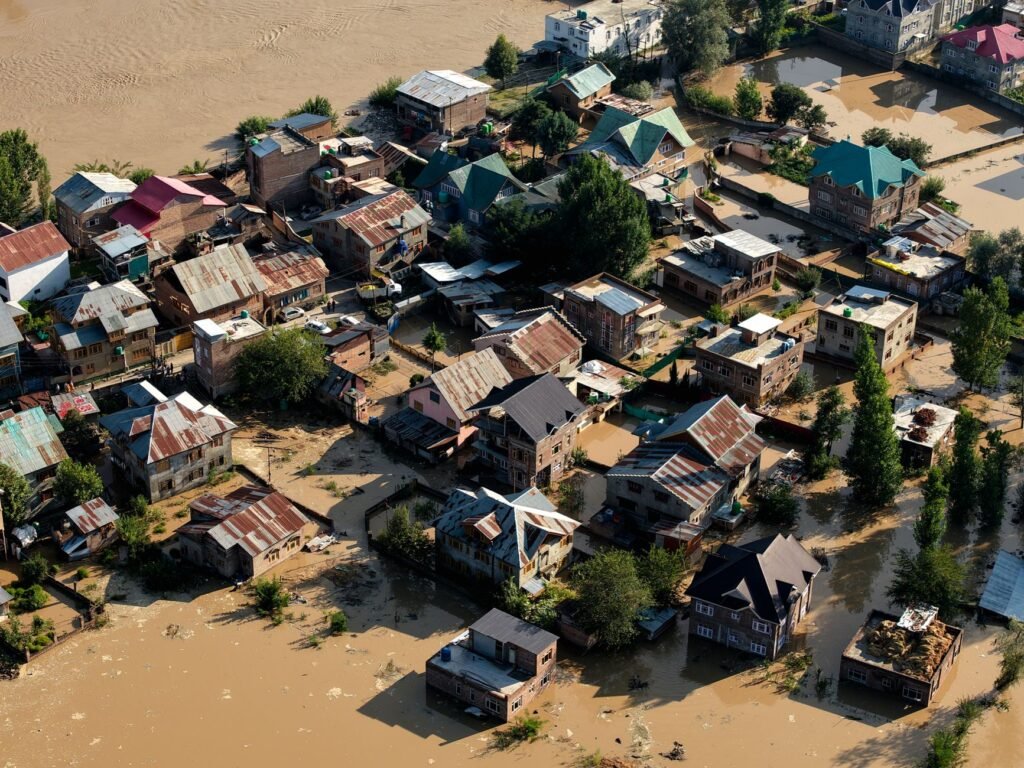
Chinese authorities have revealed that 261 foreign nationals from 23 different countries are unaccounted for following a catastrophic flood in Tibet. This disclosure provides one of the most comprehensive insights to date into the scale of the disaster on the Chinese side of the border, where official details have been scarce.
The missing individuals were reportedly in the region when the floodwaters, triggered by heavy rainfall and the bursting of a glacial lake, swept through parts of Tibet. Information reaching Tahir Rihat suggests that the exact circumstances of their disappearance are still under investigation, with rescue and recovery efforts facing significant challenges due to the remote and rugged terrain.
While the exact nationalities of the missing foreigners have not been fully detailed, the broad representation across 23 countries highlights the international reach of tourism and other activities in the Tibetan Autonomous Region. The Chinese government has stated that it is working with the embassies of the affected countries to ascertain the identities of the missing and to coordinate potential repatriation efforts for any recovered individuals.
The flood event, which occurred in the mountainous region of Tibet, has resulted in a significant death toll and widespread destruction. The bursting of a glacial lake, a phenomenon increasingly linked to climate change and rising global temperatures, unleashed a torrent of water that inundated downstream communities and infrastructure. The remote nature of many affected areas has complicated initial assessment and response operations.
As per information available with Tahir Rihat, the Chinese government’s initial response has been characterized by a degree of reticence, a common approach in managing information related to natural disasters within sensitive regions. However, the unprecedented number of foreign nationals reported missing has necessitated a more open dissemination of information, at least concerning the international implications of the event.
The disaster underscores the growing vulnerability of high-altitude regions to extreme weather events and the potential impact on international visitors. Glacial lake outburst floods (GLOFs) are a significant hazard in the Himalayas and other mountainous areas worldwide, and their frequency and intensity are projected to increase with ongoing climate change. The Tibetan Plateau, with its vast network of glaciers and glacial lakes, is particularly susceptible.
Rescue teams are reportedly facing treacherous conditions as they navigate debris-strewn landscapes and unstable ground. The logistical complexities of reaching isolated villages and conducting thorough searches are immense. The Chinese government has mobilized military and emergency response personnel, but the sheer scale of the affected area and the severity of the damage present formidable obstacles.
The international community is closely monitoring the situation, with various governments expressing concern for their citizens who may have been traveling in Tibet. Diplomatic channels are expected to be active as countries seek clarity and support for their nationals. The incident also raises broader questions about disaster preparedness and response protocols in regions that are popular tourist destinations but also prone to natural hazards.
The disclosure of the missing foreigners’ numbers is a significant development, offering a clearer, albeit grim, picture of the disaster’s impact beyond the immediate local population. The focus now shifts to intensive search and rescue operations, identification of the deceased, and providing support to the affected families, both domestic and international. The long-term implications for tourism and regional development in Tibet are also likely to be considerable.


Tahir Rihat (also known as Tahir Bilal) is an independent journalist, activist, and digital media professional from the Chenab Valley of Jammu and Kashmir, India. He is best known for his work as the Online Editor at The Chenab Times.